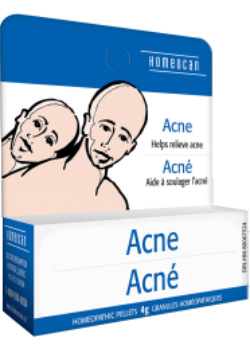
Acne pellets from Homeocan, to improve the health of acneic skin. Acne combination pellets is a homeopathic medicine. It is specially and naturally formulated to improve oily skin and reduce the appearance of blackheads. As you know, acne is a skin condition where there is a high density of sebaceous glands. These Homeocan Acne Pellets will help improve oily skin and diminish the appearance of blackheads. In addition, do not forget to cleanse your skin and avoid fatty substances – these are golden rules. Easy to carry everywhere, this tube of pellets is equipped with a very practical format. [PELLETS]
Contains:
Echinacea angustifolia 3K
Kali bromatum 6K
Viola tricolor 3K
Selenium metallicum 6K
Nux vomica 6K
Thuja occidentalis 6K
Calcarea picrata 6K
Sulphur iodatum 6K
Antimonium tartaricum 6K
Pulsatilla 6K
Non-Medicinal Ingredients:
Lactose, saccharose.
Important Information:
Do not use if seal is broken. Keep out of reach of children. Consult a healthcare practitioner before use if you are pregnant or nursing or if symptoms persist or worsen after 72 hours. Do not exceed recommended dosage. Keep at room temperature.
Dosage
Adults (12 yrs and over): let 3 pellets dissolve under the tongue 3 times a day and reduce intake with improvement or as directed by a healthcare practitioner. To be taken away from meals.
Why Choose Homeocan Therapeutics?
Homeocan Therapeutics is a well-known Canadian brand specializing in homeopathic remedies. Their wide range of popular products includes homeopathic pellets to support allergies, sleep, immune health and stress and topical products like traumacare and arnica gel. Homeocan is trusted in providing safe and effective alternatives to conventional medicine.
ACNE - THE NATURAL WAY
By: Articles by a Naturopathic Doctor and a Holistic Nutritionist
What is acne, any way?
Acne results in the development of pimples or pustules and comedone (blackheads and whiteheads) from blocked hair follicles and increased secretions in the sebaceous glands. Sebaceous glands produce sebum, which is a mixture of oil and wax. This sebum lubricates the skin and prevents water loss. Acne commonly appears on the face, upper back and upper arms and chest, as these are the locations of the highest concentration of sebaceous glands in the body.
Acne is a chronic skin condition that most often affects males and females in their adolescent years. Adult acne is an issue for some individuals, as well as hormone related acne for females (premenstrual acne, or acne during pregnancy). Although the problem is not life threatening, it can be disheartening. It can lead to lower self-esteem & a negative body image.
Types Of Acne
Acne vulgaris (or cystic acne) is the clinical name for what most of the general public refers to as acne. It is effects the hair follicles and oil secreting glands of the skin. It manifests as blackheads (open comedones), whiteheads (closed comedones) or pimples/blemishes. Acne conglobate is a more severe form of acne that causes deep cysts and often causes significant scarring.
What Causes Acne?
Nutritional deficiencies (poor diet), food intolerances, exposure to environmental toxins, stress, genetics, hormonal imbalances, and some pharmaceutical drugs can cause acne.
Toxic Overload
The skin is the largest organ in the body, and therefore plays a huge role (literally) in detoxification. One method the body has of excreting toxins is through sweat (through pores in the skin). These toxins can lead to irritation/inflammation of the skin, manifesting itself as acne. If there is a disruption in detoxification, as in the case of constipation, and toxins are allowed to build up in the body longer, these excesses can also lead to acne. There are some great detoxification tips in our article.
Are We OVER Cleaning?
Hygiene does play a role in the development of acne, but not in the way you may think. Over-washing/stripping the skin of its natural oils can cause an excess of sebum, as our skin over compensate for the loss. Bacteria get stuck in the oil and the resulting immune reaction causes inflammation. Over washing and repetitive rubbing of the skin also weakens skin integrity, making it more vulnerable to bacteria and infection, and therefore acne.
Hormones!
Hormonal changes, including increased testosterone, estrogen and progesterone, cause acne in adolescence and premenstrual, as well as during pregnancy. These hormones, again, increase sebum production. Scarring of the skin is the only long-term consequence of acne and is usually due to picking at the skin.
Other Factors
Chronic or severe stress can exacerbate acne, as can personal care and household products. Many prescription medications, such as corticosteroids can also cause or aggravate acne. Humidity and hot temperatures, as well as sweating (due to hot weather, wearing fabrics that won’t allow the skin to breathe, and intense exercise regimes), can also play a role in acne development. An acidic internal environment may also exacerbate acne.
Conventional Treatment
There are several conventional treatments for acne that come with their share of negative side-effects. Accutane is a medication taken orally that, although proven to reduce the production of oil, can cause depression, nosebleeds and headaches. This medication can even lead to bone loss. Doctors take great care in prescribing Accutane to women of child-bearing age because of the pill’s dangerous side-effects for reproduction – a pregnancy test is typically administered. Topical treatments such as benzoyl peroxide and anti-biotic creams can cause more harm than good for sensitive, acne-prone skin, including painfully dry-skin and dependence to avoid increased sebum production. Both topical antibiotics and oral antibiotics (prescribed to kill acne-causing bacteria) affect the body’s regular digestive processes and can lead to improper immune and intestinal functioning resulting in chronic yeast and bladder infections. Allergic reactions to medications are commonplace and can even cause more acne.
Some Natural Options
To fight acne topically
tea tree oil,
grapefruit seed extract
and
lavender
essential oil are good choices. They can be added to hot water for a steam treatment or diluted and dabbed on the skin. There are also many cleansing products available with one or more of these antibacterial agents.
Colloidal silver
is an antibiotic that can be applied topically. Green clay
masks
also help to detoxify the skin and draw out acne blemishes.
Dietary changes and stress reduction are the main stays of acne prevention. All foods that promote detoxification of the body are essential. They include high-fiber foods and lots of water.
Avoid any foods that you are sensitive to Dairy products and foods high in refined sugar, are high among the food culprits of acne. Keep alcohol, caffeine, chocolate, fried foods, processed foods and iodized salt to a minimum. Eat foods high in
zinc
such as whole grains, sunflower seeds and raw nuts. Eat lots of fruit for its water content and alpha-hydroxy acids. Eat raw foods that contain oxalic acid like almonds, beets, cashews and chard. Individuals fighting acne may also benefit from an alkaline diet. See more on acid/alkaline balancing in the article.
Digestive
enzymes, hydrochloric acid and
probiotics
to aid in the digestion and absorption of nutrients from food and along with the previously stated dietary recommendations can prevent/treat acne due to poor nutritional status.
Vitamin A, E, zinc and
selenium
can also play a role in terms of boosting nutrients related and clearing skin. Essential fatty acids are important for skin repair. Using herbs such as vitex or supplementing with DIM, D- Glucarate or Sulforaphane may also help to treat premenstrual acne or acne related to hormone imbalance.
Dandelion
and
milk thistle
are excellent for supporting healthy detoxification, ultimately leaving the skin clearer and healthier!
Carefully SelectedShips to the U.S.Wellness EssentialsTrusted Brands
Product Details
ACNE - THE NATURAL WAY
By: Articles by a Naturopathic Doctor and a Holistic Nutritionist
What is acne, any way?
Acne results in the development of pimples or pustules and comedone (blackheads and whiteheads) from blocked hair follicles and increased secretions in the sebaceous glands. Sebaceous glands produce sebum, which is a mixture of oil and wax. This sebum lubricates the skin and prevents water loss. Acne commonly appears on the face, upper back and upper arms and chest, as these are the locations of the highest concentration of sebaceous glands in the body.
Acne is a chronic skin condition that most often affects males and females in their adolescent years. Adult acne is an issue for some individuals, as well as hormone related acne for females (premenstrual acne, or acne during pregnancy). Although the problem is not life threatening, it can be disheartening. It can lead to lower self-esteem & a negative body image.
Types Of Acne
Acne vulgaris (or cystic acne) is the clinical name for what most of the general public refers to as acne. It is effects the hair follicles and oil secreting glands of the skin. It manifests as blackheads (open comedones), whiteheads (closed comedones) or pimples/blemishes. Acne conglobate is a more severe form of acne that causes deep cysts and often causes significant scarring.
What Causes Acne?
Nutritional deficiencies (poor diet), food intolerances, exposure to environmental toxins, stress, genetics, hormonal imbalances, and some pharmaceutical drugs can cause acne.
Toxic Overload
The skin is the largest organ in the body, and therefore plays a huge role (literally) in detoxification. One method the body has of excreting toxins is through sweat (through pores in the skin). These toxins can lead to irritation/inflammation of the skin, manifesting itself as acne. If there is a disruption in detoxification, as in the case of constipation, and toxins are allowed to build up in the body longer, these excesses can also lead to acne. There are some great detoxification tips in our article.
Are We OVER Cleaning?
Hygiene does play a role in the development of acne, but not in the way you may think. Over-washing/stripping the skin of its natural oils can cause an excess of sebum, as our skin over compensate for the loss. Bacteria get stuck in the oil and the resulting immune reaction causes inflammation. Over washing and repetitive rubbing of the skin also weakens skin integrity, making it more vulnerable to bacteria and infection, and therefore acne.
Hormones!
Hormonal changes, including increased testosterone, estrogen and progesterone, cause acne in adolescence and premenstrual, as well as during pregnancy. These hormones, again, increase sebum production. Scarring of the skin is the only long-term consequence of acne and is usually due to picking at the skin.
Other Factors
Chronic or severe stress can exacerbate acne, as can personal care and household products. Many prescription medications, such as corticosteroids can also cause or aggravate acne. Humidity and hot temperatures, as well as sweating (due to hot weather, wearing fabrics that won’t allow the skin to breathe, and intense exercise regimes), can also play a role in acne development. An acidic internal environment may also exacerbate acne.
Conventional Treatment
There are several conventional treatments for acne that come with their share of negative side-effects. Accutane is a medication taken orally that, although proven to reduce the production of oil, can cause depression, nosebleeds and headaches. This medication can even lead to bone loss. Doctors take great care in prescribing Accutane to women of child-bearing age because of the pill’s dangerous side-effects for reproduction – a pregnancy test is typically administered. Topical treatments such as benzoyl peroxide and anti-biotic creams can cause more harm than good for sensitive, acne-prone skin, including painfully dry-skin and dependence to avoid increased sebum production. Both topical antibiotics and oral antibiotics (prescribed to kill acne-causing bacteria) affect the body’s regular digestive processes and can lead to improper immune and intestinal functioning resulting in chronic yeast and bladder infections. Allergic reactions to medications are commonplace and can even cause more acne.
Some Natural Options
To fight acne topically
tea tree oil,
grapefruit seed extract
and
lavender
essential oil are good choices. They can be added to hot water for a steam treatment or diluted and dabbed on the skin. There are also many cleansing products available with one or more of these antibacterial agents.
Colloidal silver
is an antibiotic that can be applied topically. Green clay
masks
also help to detoxify the skin and draw out acne blemishes.
Dietary changes and stress reduction are the main stays of acne prevention. All foods that promote detoxification of the body are essential. They include high-fiber foods and lots of water.
Avoid any foods that you are sensitive to Dairy products and foods high in refined sugar, are high among the food culprits of acne. Keep alcohol, caffeine, chocolate, fried foods, processed foods and iodized salt to a minimum. Eat foods high in
zinc
such as whole grains, sunflower seeds and raw nuts. Eat lots of fruit for its water content and alpha-hydroxy acids. Eat raw foods that contain oxalic acid like almonds, beets, cashews and chard. Individuals fighting acne may also benefit from an alkaline diet. See more on acid/alkaline balancing in the article.
Digestive
enzymes, hydrochloric acid and
probiotics
to aid in the digestion and absorption of nutrients from food and along with the previously stated dietary recommendations can prevent/treat acne due to poor nutritional status.
Vitamin A, E, zinc and
selenium
can also play a role in terms of boosting nutrients related and clearing skin. Essential fatty acids are important for skin repair. Using herbs such as vitex or supplementing with DIM, D- Glucarate or Sulforaphane may also help to treat premenstrual acne or acne related to hormone imbalance.
Dandelion
and
milk thistle
are excellent for supporting healthy detoxification, ultimately leaving the skin clearer and healthier!
🌿
Daily Wellness
Easy to add to your everyday health routine.
✅
Carefully Selected
Chosen with quality and customer needs in mind.
💊
Simple to Use
Designed for convenient daily supplementation.
🚚
Ships to the U.S.
Fast, reliable shipping to U.S. customers.
Choosing a selection results in a full page refresh.