

1
/
of
1
Harmonic Arts
Activate Elixir - 150g - Harmonic Arts
Activate Elixir - 150g - Harmonic Arts
Regular price
$40.43 USD
Regular price
Sale price
$40.43 USD
Shipping calculated at checkout.
Availability
Out of stock
- Organic
- Non GMO
- Eco Certified
- Stress Balance
- Immune Health
Quantity
Couldn't load pickup availability

Activate Elixir - 150g - Harmonic Arts
$40.43
Harmonic Arts Activate Elixir - 150g - Harmonic Arts is a dietary supplement in powder form, intended for adults as part of a daily wellness routine.
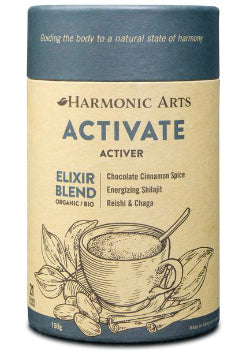
Energize your day with Harmonic Arts core nourishment and immune building superfood upgrade. Packing the power of Reishi, Chaga, Mucuna, Shilajit and more. This blend has a rich Chocolate and Cinnamon flavour that will leave you with a blissful stress free feeling. Harmonic Arts Activate Elixir Blend is the perfect addition to your hot or cold drink creations. Also great in yogurt, nut mylks, ice cream, oatmeal, and baked and raw treats. Activate Elixir Blend is high in antioxidants, vitamins, minerals, and many phytonutrients. [POWDER]
Serving 1 tbsp (7.5g) (servings per container: 20)
Calories 31
Fat 0.3g
Saturated 0.1g
Cholesterol 0mg
Sodium 4.1mg
Carbohydrate 6.3g
Fiber 2.1g
Sugars 2.3g
Protein 1.1g
Vitamin A 0%
Vitamin C 5.6%
Calcium 1.8%
Iron 3.2%
Ingredients: *Cacao Powder, *Lucuma, *Mesquite, *Maca, *Mucuna Extract, *Chaga Dual Extract, *Reishi Dual Extract, ^Shilajit, *True Cinnamon. *Organic, ^Wild Harvested
Calories 31
Fat 0.3g
Saturated 0.1g
Cholesterol 0mg
Sodium 4.1mg
Carbohydrate 6.3g
Fiber 2.1g
Sugars 2.3g
Protein 1.1g
Vitamin A 0%
Vitamin C 5.6%
Calcium 1.8%
Iron 3.2%
Ingredients: *Cacao Powder, *Lucuma, *Mesquite, *Maca, *Mucuna Extract, *Chaga Dual Extract, *Reishi Dual Extract, ^Shilajit, *True Cinnamon. *Organic, ^Wild Harvested
Dosage
Add 1-2 tbsp to Chaga or Coastal Roots tea. Mix in blender with 1 tbsp coconut oil and 1 tsp of honey.
Add 1-2 tbsp to Chaga or Coastal Roots tea. Mix in blender with 1 tbsp coconut oil and 1 tsp of honey.
Organic Functional Mushrooms for Mind, Body & Immune Health
Harmonic Arts offers delicious, easy to use products for adding herbs, superfoods and mushrooms to your daily lifestyle. They source high-quality, organic and wild-harvested ingredients whenever possible and use compostable packaging to reduce their packaging footprint.
Harmonic Arts is best known for their Elixirs,
Concentrate Mushroom Powders, and Tincture Blends.
Harmonic Arts offers delicious, easy to use products for adding herbs, superfoods and mushrooms to your daily lifestyle. They source high-quality, organic and wild-harvested ingredients whenever possible and use compostable packaging to reduce their packaging footprint.
Harmonic Arts is best known for their Elixirs,
Concentrate Mushroom Powders, and Tincture Blends.
CHAGA
Often referred to as the "king of
medicinal mushrooms
"...
What is Chaga?
Birch trees naturally contain betulin and betulinic acid, compounds that are absorbed by chaga as it grows on the tree.
Inonotus obliquus, commonly known as chaga mushroom, is a black fungus that grows parasitically on birch trees. There are records going as far back as the 16th century for the use of chaga in Eastern European folk medicine and botanical medicine as a treatment for ulcers, and some infections as well as support healthy cell growths.
Chaga is rich in polysaccharides (particularly ß-glucan polysaccharides) as well as betulinic acid, and has a bitter flavour similar to coffee. It is an excellent source of superoxide dismutase (SOD – a powerful antioxidant) and is the mushroom with the highest antioxidant (ORAC) level known. For more information on ORAC, see our article on superfruits.
Chaga and Immunity
Initial research on chaga examined the ability of its ß-glucan polysaccharides to prevent a wide range of infectious diseases. Further research found that these polysaccharides have strong anti-inflammatory and immune balancing properties. The immune balancing property of chaga has also been studied as a successful treatment for psoriasis (an immune mediated skin condition). As research continued on chaga's role in immunity, it was discovered that compounds from chaga did not attack pathogens directly, but instead stimulated the body to fight the infections itself. The ß-glucan polysaccharides in chaga increase the production of natural killer (NK) cells, the cells in the body responsible for cellular mediated attack against disease.
Chaga and Cell Growths
The ß-glucan polysaccharides that are found in Chaga and some other mushrooms are currently used around the world as anti-cell growth medicinal supplements. Further examination indicated that chaga's ß-glucan polysaccharides have strong anti-inflammatory and immune balancing properties, which include stimulating the body to produce more NK cells. Thus, in much the same way chaga helps the body to fight infection, it can aid in tumour destruction. This process of tumour destruction is in contrast to chemotherapy, a type of treatment that can harm healthy cells and results in a vast number of side effects. Instead, chaga promotes the body destroying the cell growth itself in a process natural to the body. Recent scientific research has showed the anti-tumour effect of these specific polysaccharides to be comparable to treatment with chemotherapy and radiation, but without the side effects.
In addition to promoting NK cell development, the anti-tumor effects of chaga can be attributed to altered biochemical mechanisms, such as: inhibition of proliferation, induction of cell cycle arrest, enhanced apoptosis, and regulation of signal transduction pathways, which are related to altered expressions of key
enzymes. In 1958, scientific studies in Finland and Russia found Chaga supplementation provided a potent beneficial effect in breast, liver, uterine, and gastric cell growths. In addition to the ß-glucan polysaccharides, the constituents betulin and betulinic acid from chaga are now being studied for use as a chemotherapeutic agent. For more information on betulin and betulinic acid, see below.
Chaga and Metabolic Syndrome
In the 1950's, scientific studies found Chaga provided an extremely beneficial effect in hypertension and diabetes. Birch trees naturally contain betulin and betulinic acid, compounds that are absorbed by chaga as it grows on the tree. Betulin as it is found in birch bark is indigestible by humans, but the Chaga mushroom converts it into a form that can be digested orally. Recent research has found that betulin from birch bark lowered cholesterol, obesity and improved insulin resistance.
Additional vitamins and mineral
Aside from all the nutrients mentioned above chaga also includes: Vitamins B2, D,
calcium, iron,
magnesium, phosphorus, sulfur,
potassium, rubidium and cesium, silicon, germanium, manganese,
selenium,
zinc, antimony, barium, bismuth, boron,
chromium, and copper.
How is chaga extracted?
There are three ways that mushrooms are extracted, only two of which are considered reliable. These methods are: hot water extraction, alcohol extraction, and fermentation. Fermentation is considered an unreliable means of extraction due to variations in microbes used. Hot water extraction is the most common and cheapest purification option, and allows all water-soluble components (including polysaccharides) to be extracted. Alcohol (ethanol) extraction isolates the non-water soluble components, like betulinic acid, betulin and phyto-sterols.
In order to obtain maximum therapeutic value, many manufacturers will usually combine two methods, in general hot water extraction and alcohol / ethanol extraction allow for extraction of the most valuable components. Cheap, mass-produced, extracts tend to be hot water based low percentage (4-20%) polysaccharide extracts with limited therapeutic value. Be sure to read the constituents on the label of your supplement to ensure you will get the medicinal effects you seek.
How can I take chaga?
Chaga can be supplemented as dried mushroom powder, liquid, powdered extract, capsule, or tea. It can be found alone or in combination formulas for liver support and inflammation relief. Solid extracts of chaga can be dosed between 200 and 1000mg per day. If making a tea you can dissolve one teaspoon dried mushroom in one cup of hot water several times per day.
Important Information
Chaga mushroom is generally regarded as safe when taken in the recommended doses. Safety in young children, pregnant or nursing women, or those with severe liver or kidney disease is not known, so caution should be used. Due to the hypoglycemic activity of polysaccarides, blood sugar monitoring in diabetics is important.
REISHI MUSHROOM
Otherwise known as Ganoderma Lucidum, Reishi mushrooms are a long time friend of the immune system...
Reishi Mushroom can be beneficial for diabetics and those with high blood pressure
Reishi are a member of the fungi Kingdom and are one of the oldest mushrooms to be used in Traditional Chinese Medicine (TCM). Ganoderma has an affinity for the immune system, which is why it has been studied extensively in the treatment of cell growths. It has been shown to prevent angiogenesis, the formation of new blood vessels, which many growths use to form new harmful cells and keep the disease strong and growing.
Ganoderma is also used in cell growth treatment as a form of palliative care, improving quality of life by decreasing symptoms such as sweating, nausea, vomiting and
insomnia. In terms of immune disorders, it is also showing promise against HIV activity, slowly the progression to AIDS in some individuals. Ganoderma has anti-viral, anti-bacterial and anti-microbial action.
Reishi is both immune modulating and immune supportive, meaning it not only helps to strengthen the immune system when needed but in immune disorders in which it is dangerous to do so, it actually balances the immune system out. This prevents our immune system from over reaction and creating too much inflammation. Allergy is an example of a concern for which Reishi’s may be indicated due to its anti-inflammatory properties, along with its ability to balance out our innate immune response.
Reishi reduces cholesterol synthesis in the liver (which also benefits the heart) and has recently been looked at as a treatment for hepatitis, an inflammatory disease of the liver. It has been shown to protect against atherosclerosis, and reduce blood clotting by inhibiting platelet aggregation, which is part of an inflammatory cascade. It has also been shown to decrease blood pressure. Individuals with diabetes have found it helpful in decreasing blood sugar. Reishi is also an antioxidant and can be used to prevent free radical damage.
Reishi can be crushed and taken directly in capsules, or pieces of the mushroom can be steeped in hot water to make a tea. Recommended dose varies, depending on health concern, although anywhere from 2-6 g/day is considered safe. Some individuals have reported headaches, skin rash and dizziness. If you are on anti-hypoglycemic or medication to lower blood pressure, be cautious that these levels do not decrease too quickly or become too low while taking Ganoderma.
CINNAMON
You may think of cinnamon as a tasty addition to your morning oatmeal or burst of flavour in your daily coffee...
Well in this case, healthy can be tasty, too. Cinnamon's medicinal properties are as abundant and effective as they are delicious.
Cinnamon is a cure-all for digestive complaints, such as nausea, vomiting, abdominal cramping and diarrhea. It is also a go-to herb in terms of regulating blood sugar.
Cinnamon is a "cure all" for digestive complaints
Research shows that Type II diabetics can lower their fasting serum glucose significantly using cinnamon in doses of as little as 1 g/day. Cinnamon was found to reduce serum triglycerides and both LDL and total cholesterol in this population, as well. This has particular significance to individuals with diabetes, as the combination of high triglycerides,
high cholesterol
and diabetes leaves them much more likely to develop Metabolic syndrome, which in turn can lead to serious conditions such as atherosclerosis and heart disease. For more information about Metabolic Syndrome, please click here.
In addition to its properties as an anti-diabetic, anti-spasmodic and carminative, Cinnamon has both anti-fungal and antibacterial properties, as well. For this reason it is used to treat colds and other respiratory infections. It is also a very warming herb. In terms of Chinese medicine, anyone suffering from cold or damp afflictions should increase their intake of herbs such as cinnamon and ginger – a great excuse to drink Chai tea!
As a digestive cinnamon can have a great impact on the uncomfortable feelings that accompany IBS - especially the bloating. This is due to killing the bacteria and healing infections that are present in the gastrointestinal tract and allowing the gastric juices to work normally.
Some people believe that consuming cinnamon will make them lose weight. Currently there is no evidence to support this theory. However, it has been shown to be a "weight gain preventer". Coupled with a healthy diet and exercise cinnamon may help to keep the pounds off. Here is why. Cinnamon is said to keep you feeling full which leads to eating less. It is a natural digestive meaning that the food you do eat is digested properly and your body will not need more food to keep it going. Cinnamon increases blood sugar metabolism meaning that it breaks down sugar for absorption and turns it into energy making the body produce less fatty acids to store. Lastly, some research has shown that cinnamon can keep you focused, alert and in a better mood. When you have more energy, you are more likely to get the exercise you need to lose weight.
The use of Cinnamon stems back to at least 500 BC, with Cinnamon verum coming from Sri Lanka and India, while Chinese cinnamon or cassia is cultivated in China, Indonesia and Vietnam. A cinnamon tree is a bushy evergreen that grows best in humid tropical forests. It has a reddish brown aromatic bark, which is eventually peeled off and removed of it's outer covering, leaving an aromatic inner bark that is rolled together to form sticks (quills). The quills of true cinnamon (verum) and cassia are easily distinguished, but once powdered they are very hard to tell apart. In your typical grocery store or spice rack you will most likely find the cassia form of cinnamon or commonly a mix of the two. Cassia is somewhat less expensive than the verum variety with basically identical pharmacological effects. Cassia is also safe in pregnancy, while verum is cautioned as high doses can potentially induce abortion.
A typical dose of cinnamon, depending on the concern you are looking to treat, ranges from 1 – 4 g/day. Cinnamon can also be used as an essential oil, in which case the dose ranges from.05 -.2 g/day. The essential oil is much more concentrated than the powder commonly used for baking, and should be used with more caution. It is not recommended for use in pregnancy.
Often referred to as the "king of
medicinal mushrooms
"...
What is Chaga?
Birch trees naturally contain betulin and betulinic acid, compounds that are absorbed by chaga as it grows on the tree.
Inonotus obliquus, commonly known as chaga mushroom, is a black fungus that grows parasitically on birch trees. There are records going as far back as the 16th century for the use of chaga in Eastern European folk medicine and botanical medicine as a treatment for ulcers, and some infections as well as support healthy cell growths.
Chaga is rich in polysaccharides (particularly ß-glucan polysaccharides) as well as betulinic acid, and has a bitter flavour similar to coffee. It is an excellent source of superoxide dismutase (SOD – a powerful antioxidant) and is the mushroom with the highest antioxidant (ORAC) level known. For more information on ORAC, see our article on superfruits.
Chaga and Immunity
Initial research on chaga examined the ability of its ß-glucan polysaccharides to prevent a wide range of infectious diseases. Further research found that these polysaccharides have strong anti-inflammatory and immune balancing properties. The immune balancing property of chaga has also been studied as a successful treatment for psoriasis (an immune mediated skin condition). As research continued on chaga's role in immunity, it was discovered that compounds from chaga did not attack pathogens directly, but instead stimulated the body to fight the infections itself. The ß-glucan polysaccharides in chaga increase the production of natural killer (NK) cells, the cells in the body responsible for cellular mediated attack against disease.
Chaga and Cell Growths
The ß-glucan polysaccharides that are found in Chaga and some other mushrooms are currently used around the world as anti-cell growth medicinal supplements. Further examination indicated that chaga's ß-glucan polysaccharides have strong anti-inflammatory and immune balancing properties, which include stimulating the body to produce more NK cells. Thus, in much the same way chaga helps the body to fight infection, it can aid in tumour destruction. This process of tumour destruction is in contrast to chemotherapy, a type of treatment that can harm healthy cells and results in a vast number of side effects. Instead, chaga promotes the body destroying the cell growth itself in a process natural to the body. Recent scientific research has showed the anti-tumour effect of these specific polysaccharides to be comparable to treatment with chemotherapy and radiation, but without the side effects.
In addition to promoting NK cell development, the anti-tumor effects of chaga can be attributed to altered biochemical mechanisms, such as: inhibition of proliferation, induction of cell cycle arrest, enhanced apoptosis, and regulation of signal transduction pathways, which are related to altered expressions of key
enzymes. In 1958, scientific studies in Finland and Russia found Chaga supplementation provided a potent beneficial effect in breast, liver, uterine, and gastric cell growths. In addition to the ß-glucan polysaccharides, the constituents betulin and betulinic acid from chaga are now being studied for use as a chemotherapeutic agent. For more information on betulin and betulinic acid, see below.
Chaga and Metabolic Syndrome
In the 1950's, scientific studies found Chaga provided an extremely beneficial effect in hypertension and diabetes. Birch trees naturally contain betulin and betulinic acid, compounds that are absorbed by chaga as it grows on the tree. Betulin as it is found in birch bark is indigestible by humans, but the Chaga mushroom converts it into a form that can be digested orally. Recent research has found that betulin from birch bark lowered cholesterol, obesity and improved insulin resistance.
Additional vitamins and mineral
Aside from all the nutrients mentioned above chaga also includes: Vitamins B2, D,
calcium, iron,
magnesium, phosphorus, sulfur,
potassium, rubidium and cesium, silicon, germanium, manganese,
selenium,
zinc, antimony, barium, bismuth, boron,
chromium, and copper.
How is chaga extracted?
There are three ways that mushrooms are extracted, only two of which are considered reliable. These methods are: hot water extraction, alcohol extraction, and fermentation. Fermentation is considered an unreliable means of extraction due to variations in microbes used. Hot water extraction is the most common and cheapest purification option, and allows all water-soluble components (including polysaccharides) to be extracted. Alcohol (ethanol) extraction isolates the non-water soluble components, like betulinic acid, betulin and phyto-sterols.
In order to obtain maximum therapeutic value, many manufacturers will usually combine two methods, in general hot water extraction and alcohol / ethanol extraction allow for extraction of the most valuable components. Cheap, mass-produced, extracts tend to be hot water based low percentage (4-20%) polysaccharide extracts with limited therapeutic value. Be sure to read the constituents on the label of your supplement to ensure you will get the medicinal effects you seek.
How can I take chaga?
Chaga can be supplemented as dried mushroom powder, liquid, powdered extract, capsule, or tea. It can be found alone or in combination formulas for liver support and inflammation relief. Solid extracts of chaga can be dosed between 200 and 1000mg per day. If making a tea you can dissolve one teaspoon dried mushroom in one cup of hot water several times per day.
Important Information
Chaga mushroom is generally regarded as safe when taken in the recommended doses. Safety in young children, pregnant or nursing women, or those with severe liver or kidney disease is not known, so caution should be used. Due to the hypoglycemic activity of polysaccarides, blood sugar monitoring in diabetics is important.
REISHI MUSHROOM
Otherwise known as Ganoderma Lucidum, Reishi mushrooms are a long time friend of the immune system...
Reishi Mushroom can be beneficial for diabetics and those with high blood pressure
Reishi are a member of the fungi Kingdom and are one of the oldest mushrooms to be used in Traditional Chinese Medicine (TCM). Ganoderma has an affinity for the immune system, which is why it has been studied extensively in the treatment of cell growths. It has been shown to prevent angiogenesis, the formation of new blood vessels, which many growths use to form new harmful cells and keep the disease strong and growing.
Ganoderma is also used in cell growth treatment as a form of palliative care, improving quality of life by decreasing symptoms such as sweating, nausea, vomiting and
insomnia. In terms of immune disorders, it is also showing promise against HIV activity, slowly the progression to AIDS in some individuals. Ganoderma has anti-viral, anti-bacterial and anti-microbial action.
Reishi is both immune modulating and immune supportive, meaning it not only helps to strengthen the immune system when needed but in immune disorders in which it is dangerous to do so, it actually balances the immune system out. This prevents our immune system from over reaction and creating too much inflammation. Allergy is an example of a concern for which Reishi’s may be indicated due to its anti-inflammatory properties, along with its ability to balance out our innate immune response.
Reishi reduces cholesterol synthesis in the liver (which also benefits the heart) and has recently been looked at as a treatment for hepatitis, an inflammatory disease of the liver. It has been shown to protect against atherosclerosis, and reduce blood clotting by inhibiting platelet aggregation, which is part of an inflammatory cascade. It has also been shown to decrease blood pressure. Individuals with diabetes have found it helpful in decreasing blood sugar. Reishi is also an antioxidant and can be used to prevent free radical damage.
Reishi can be crushed and taken directly in capsules, or pieces of the mushroom can be steeped in hot water to make a tea. Recommended dose varies, depending on health concern, although anywhere from 2-6 g/day is considered safe. Some individuals have reported headaches, skin rash and dizziness. If you are on anti-hypoglycemic or medication to lower blood pressure, be cautious that these levels do not decrease too quickly or become too low while taking Ganoderma.
CINNAMON
You may think of cinnamon as a tasty addition to your morning oatmeal or burst of flavour in your daily coffee...
Well in this case, healthy can be tasty, too. Cinnamon's medicinal properties are as abundant and effective as they are delicious.
Cinnamon is a cure-all for digestive complaints, such as nausea, vomiting, abdominal cramping and diarrhea. It is also a go-to herb in terms of regulating blood sugar.
Cinnamon is a "cure all" for digestive complaints
Research shows that Type II diabetics can lower their fasting serum glucose significantly using cinnamon in doses of as little as 1 g/day. Cinnamon was found to reduce serum triglycerides and both LDL and total cholesterol in this population, as well. This has particular significance to individuals with diabetes, as the combination of high triglycerides,
high cholesterol
and diabetes leaves them much more likely to develop Metabolic syndrome, which in turn can lead to serious conditions such as atherosclerosis and heart disease. For more information about Metabolic Syndrome, please click here.
In addition to its properties as an anti-diabetic, anti-spasmodic and carminative, Cinnamon has both anti-fungal and antibacterial properties, as well. For this reason it is used to treat colds and other respiratory infections. It is also a very warming herb. In terms of Chinese medicine, anyone suffering from cold or damp afflictions should increase their intake of herbs such as cinnamon and ginger – a great excuse to drink Chai tea!
As a digestive cinnamon can have a great impact on the uncomfortable feelings that accompany IBS - especially the bloating. This is due to killing the bacteria and healing infections that are present in the gastrointestinal tract and allowing the gastric juices to work normally.
Some people believe that consuming cinnamon will make them lose weight. Currently there is no evidence to support this theory. However, it has been shown to be a "weight gain preventer". Coupled with a healthy diet and exercise cinnamon may help to keep the pounds off. Here is why. Cinnamon is said to keep you feeling full which leads to eating less. It is a natural digestive meaning that the food you do eat is digested properly and your body will not need more food to keep it going. Cinnamon increases blood sugar metabolism meaning that it breaks down sugar for absorption and turns it into energy making the body produce less fatty acids to store. Lastly, some research has shown that cinnamon can keep you focused, alert and in a better mood. When you have more energy, you are more likely to get the exercise you need to lose weight.
The use of Cinnamon stems back to at least 500 BC, with Cinnamon verum coming from Sri Lanka and India, while Chinese cinnamon or cassia is cultivated in China, Indonesia and Vietnam. A cinnamon tree is a bushy evergreen that grows best in humid tropical forests. It has a reddish brown aromatic bark, which is eventually peeled off and removed of it's outer covering, leaving an aromatic inner bark that is rolled together to form sticks (quills). The quills of true cinnamon (verum) and cassia are easily distinguished, but once powdered they are very hard to tell apart. In your typical grocery store or spice rack you will most likely find the cassia form of cinnamon or commonly a mix of the two. Cassia is somewhat less expensive than the verum variety with basically identical pharmacological effects. Cassia is also safe in pregnancy, while verum is cautioned as high doses can potentially induce abortion.
A typical dose of cinnamon, depending on the concern you are looking to treat, ranges from 1 – 4 g/day. Cinnamon can also be used as an essential oil, in which case the dose ranges from.05 -.2 g/day. The essential oil is much more concentrated than the powder commonly used for baking, and should be used with more caution. It is not recommended for use in pregnancy.
Carefully Selected
Ships to the U.S.
Wellness Essentials
Trusted Brands
Product Details
CHAGAOften referred to as the "king of
medicinal mushrooms
"...
What is Chaga?
Birch trees naturally contain betulin and betulinic acid, compounds that are absorbed by chaga as it grows on the tree.
Inonotus obliquus, commonly known as chaga mushroom, is a black fungus that grows parasitically on birch trees. There are records going as far back as the 16th century for the use of chaga in Eastern European folk medicine and botanical medicine as a treatment for ulcers, and some infections as well as support healthy cell growths.
Chaga is rich in polysaccharides (particularly ß-glucan polysaccharides) as well as betulinic acid, and has a bitter flavour similar to coffee. It is an excellent source of superoxide dismutase (SOD – a powerful antioxidant) and is the mushroom with the highest antioxidant (ORAC) level known. For more information on ORAC, see our article on superfruits.
Chaga and Immunity
Initial research on chaga examined the ability of its ß-glucan polysaccharides to prevent a wide range of infectious diseases. Further research found that these polysaccharides have strong anti-inflammatory and immune balancing properties. The immune balancing property of chaga has also been studied as a successful treatment for psoriasis (an immune mediated skin condition). As research continued on chaga's role in immunity, it was discovered that compounds from chaga did not attack pathogens directly, but instead stimulated the body to fight the infections itself. The ß-glucan polysaccharides in chaga increase the production of natural killer (NK) cells, the cells in the body responsible for cellular mediated attack against disease.
Chaga and Cell Growths
The ß-glucan polysaccharides that are found in Chaga and some other mushrooms are currently used around the world as anti-cell growth medicinal supplements. Further examination indicated that chaga's ß-glucan polysaccharides have strong anti-inflammatory and immune balancing properties, which include stimulating the body to produce more NK cells. Thus, in much the same way chaga helps the body to fight infection, it can aid in tumour destruction. This process of tumour destruction is in contrast to chemotherapy, a type of treatment that can harm healthy cells and results in a vast number of side effects. Instead, chaga promotes the body destroying the cell growth itself in a process natural to the body. Recent scientific research has showed the anti-tumour effect of these specific polysaccharides to be comparable to treatment with chemotherapy and radiation, but without the side effects.
In addition to promoting NK cell development, the anti-tumor effects of chaga can be attributed to altered biochemical mechanisms, such as: inhibition of proliferation, induction of cell cycle arrest, enhanced apoptosis, and regulation of signal transduction pathways, which are related to altered expressions of key
enzymes. In 1958, scientific studies in Finland and Russia found Chaga supplementation provided a potent beneficial effect in breast, liver, uterine, and gastric cell growths. In addition to the ß-glucan polysaccharides, the constituents betulin and betulinic acid from chaga are now being studied for use as a chemotherapeutic agent. For more information on betulin and betulinic acid, see below.
Chaga and Metabolic Syndrome
In the 1950's, scientific studies found Chaga provided an extremely beneficial effect in hypertension and diabetes. Birch trees naturally contain betulin and betulinic acid, compounds that are absorbed by chaga as it grows on the tree. Betulin as it is found in birch bark is indigestible by humans, but the Chaga mushroom converts it into a form that can be digested orally. Recent research has found that betulin from birch bark lowered cholesterol, obesity and improved insulin resistance.
Additional vitamins and mineral
Aside from all the nutrients mentioned above chaga also includes: Vitamins B2, D,
calcium, iron,
magnesium, phosphorus, sulfur,
potassium, rubidium and cesium, silicon, germanium, manganese,
selenium,
zinc, antimony, barium, bismuth, boron,
chromium, and copper.
How is chaga extracted?
There are three ways that mushrooms are extracted, only two of which are considered reliable. These methods are: hot water extraction, alcohol extraction, and fermentation. Fermentation is considered an unreliable means of extraction due to variations in microbes used. Hot water extraction is the most common and cheapest purification option, and allows all water-soluble components (including polysaccharides) to be extracted. Alcohol (ethanol) extraction isolates the non-water soluble components, like betulinic acid, betulin and phyto-sterols.
In order to obtain maximum therapeutic value, many manufacturers will usually combine two methods, in general hot water extraction and alcohol / ethanol extraction allow for extraction of the most valuable components. Cheap, mass-produced, extracts tend to be hot water based low percentage (4-20%) polysaccharide extracts with limited therapeutic value. Be sure to read the constituents on the label of your supplement to ensure you will get the medicinal effects you seek.
How can I take chaga?
Chaga can be supplemented as dried mushroom powder, liquid, powdered extract, capsule, or tea. It can be found alone or in combination formulas for liver support and inflammation relief. Solid extracts of chaga can be dosed between 200 and 1000mg per day. If making a tea you can dissolve one teaspoon dried mushroom in one cup of hot water several times per day.
Important Information
Chaga mushroom is generally regarded as safe when taken in the recommended doses. Safety in young children, pregnant or nursing women, or those with severe liver or kidney disease is not known, so caution should be used. Due to the hypoglycemic activity of polysaccarides, blood sugar monitoring in diabetics is important.
REISHI MUSHROOM
Otherwise known as Ganoderma Lucidum, Reishi mushrooms are a long time friend of the immune system...
Reishi Mushroom can be beneficial for diabetics and those with high blood pressure
Reishi are a member of the fungi Kingdom and are one of the oldest mushrooms to be used in Traditional Chinese Medicine (TCM). Ganoderma has an affinity for the immune system, which is why it has been studied extensively in the treatment of cell growths. It has been shown to prevent angiogenesis, the formation of new blood vessels, which many growths use to form new harmful cells and keep the disease strong and growing.
Ganoderma is also used in cell growth treatment as a form of palliative care, improving quality of life by decreasing symptoms such as sweating, nausea, vomiting and
insomnia. In terms of immune disorders, it is also showing promise against HIV activity, slowly the progression to AIDS in some individuals. Ganoderma has anti-viral, anti-bacterial and anti-microbial action.
Reishi is both immune modulating and immune supportive, meaning it not only helps to strengthen the immune system when needed but in immune disorders in which it is dangerous to do so, it actually balances the immune system out. This prevents our immune system from over reaction and creating too much inflammation. Allergy is an example of a concern for which Reishi’s may be indicated due to its anti-inflammatory properties, along with its ability to balance out our innate immune response.
Reishi reduces cholesterol synthesis in the liver (which also benefits the heart) and has recently been looked at as a treatment for hepatitis, an inflammatory disease of the liver. It has been shown to protect against atherosclerosis, and reduce blood clotting by inhibiting platelet aggregation, which is part of an inflammatory cascade. It has also been shown to decrease blood pressure. Individuals with diabetes have found it helpful in decreasing blood sugar. Reishi is also an antioxidant and can be used to prevent free radical damage.
Reishi can be crushed and taken directly in capsules, or pieces of the mushroom can be steeped in hot water to make a tea. Recommended dose varies, depending on health concern, although anywhere from 2-6 g/day is considered safe. Some individuals have reported headaches, skin rash and dizziness. If you are on anti-hypoglycemic or medication to lower blood pressure, be cautious that these levels do not decrease too quickly or become too low while taking Ganoderma.
CINNAMON
You may think of cinnamon as a tasty addition to your morning oatmeal or burst of flavour in your daily coffee...
Well in this case, healthy can be tasty, too. Cinnamon's medicinal properties are as abundant and effective as they are delicious.
Cinnamon is a cure-all for digestive complaints, such as nausea, vomiting, abdominal cramping and diarrhea. It is also a go-to herb in terms of regulating blood sugar.
Cinnamon is a "cure all" for digestive complaints
Research shows that Type II diabetics can lower their fasting serum glucose significantly using cinnamon in doses of as little as 1 g/day. Cinnamon was found to reduce serum triglycerides and both LDL and total cholesterol in this population, as well. This has particular significance to individuals with diabetes, as the combination of high triglycerides,
high cholesterol
and diabetes leaves them much more likely to develop Metabolic syndrome, which in turn can lead to serious conditions such as atherosclerosis and heart disease. For more information about Metabolic Syndrome, please click here.
In addition to its properties as an anti-diabetic, anti-spasmodic and carminative, Cinnamon has both anti-fungal and antibacterial properties, as well. For this reason it is used to treat colds and other respiratory infections. It is also a very warming herb. In terms of Chinese medicine, anyone suffering from cold or damp afflictions should increase their intake of herbs such as cinnamon and ginger – a great excuse to drink Chai tea!
As a digestive cinnamon can have a great impact on the uncomfortable feelings that accompany IBS - especially the bloating. This is due to killing the bacteria and healing infections that are present in the gastrointestinal tract and allowing the gastric juices to work normally.
Some people believe that consuming cinnamon will make them lose weight. Currently there is no evidence to support this theory. However, it has been shown to be a "weight gain preventer". Coupled with a healthy diet and exercise cinnamon may help to keep the pounds off. Here is why. Cinnamon is said to keep you feeling full which leads to eating less. It is a natural digestive meaning that the food you do eat is digested properly and your body will not need more food to keep it going. Cinnamon increases blood sugar metabolism meaning that it breaks down sugar for absorption and turns it into energy making the body produce less fatty acids to store. Lastly, some research has shown that cinnamon can keep you focused, alert and in a better mood. When you have more energy, you are more likely to get the exercise you need to lose weight.
The use of Cinnamon stems back to at least 500 BC, with Cinnamon verum coming from Sri Lanka and India, while Chinese cinnamon or cassia is cultivated in China, Indonesia and Vietnam. A cinnamon tree is a bushy evergreen that grows best in humid tropical forests. It has a reddish brown aromatic bark, which is eventually peeled off and removed of it's outer covering, leaving an aromatic inner bark that is rolled together to form sticks (quills). The quills of true cinnamon (verum) and cassia are easily distinguished, but once powdered they are very hard to tell apart. In your typical grocery store or spice rack you will most likely find the cassia form of cinnamon or commonly a mix of the two. Cassia is somewhat less expensive than the verum variety with basically identical pharmacological effects. Cassia is also safe in pregnancy, while verum is cautioned as high doses can potentially induce abortion.
A typical dose of cinnamon, depending on the concern you are looking to treat, ranges from 1 – 4 g/day. Cinnamon can also be used as an essential oil, in which case the dose ranges from.05 -.2 g/day. The essential oil is much more concentrated than the powder commonly used for baking, and should be used with more caution. It is not recommended for use in pregnancy.


🌿
Daily Wellness
Easy to add to your everyday health routine.
✅
Carefully Selected
Chosen with quality and customer needs in mind.
💊
Simple to Use
Designed for convenient daily supplementation.
🚚
Ships to the U.S.
Fast, reliable shipping to U.S. customers.