

1
/
of
1
A. Vogel
California Poppy - 30 Tabs
California Poppy - 30 Tabs
Regular price
$53.99 USD
Regular price
Sale price
$53.99 USD
Shipping calculated at checkout.
Availability
In stock, and ready to ship
- NonHabit Forming
- Wake up refreshed, not groggy
- Promotes calm and sleep
- Vegan & Organic
- Gluten and lactosefree
Quantity
Couldn't load pickup availability

California Poppy - 30 Tabs
$53.99
A. Vogel California Poppy - 30 Tabs is a dietary supplement in tablet form, intended for adults as part of a daily wellness routine.
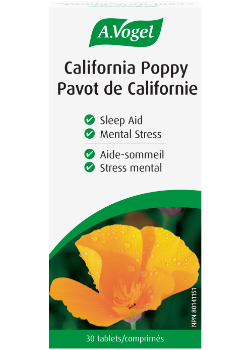
A.Vogel California Poppy is a gentle, plant-based sleep support designed to help calm the mind and promote restful sleep during times of mental stress. Made with fresh, organic California poppy grown in Switzerland, this formula is traditionally used in herbal medicine to help relieve restlessness and nervousness and to support sleep. Melatonin-free and non-habit forming, it helps you unwind naturally without morning grogginess. Crafted for purity and potency, A.Vogel California Poppy is vegan, gluten-free, and lactose-free, making it a clean and reliable choice for nightly relaxation and restorative rest. [TABS]
Each tablet contains:
Fresh California Poppy (Eschscholzia californica) herb top flowering (ratio 1.191:1) (equivalent to 600 mg dried flowering herb top) 503.9 mg
Non-Medicinal ingredients:
Microcrystalline cellulose, croscarmellose, sodium, colloidal silicon dioxide, glyceryl distearate.
Important Information:
Ask a healthcare practitioner if sleeplessness persists continuously for more than 4 weeks (chronic insomnia), if symptoms persist or worsen, or before use if you are breastfeeding. Do not use if you are pregnant. When using this product, avoid taking with alcohol or products that cause drowsiness and/or with analgesic properties; exercise caution if you drive or use machinery as you may experience drowsiness. Avoid taking in case of known allergy to any of the ingredients in the product. Do not use if safety seal is broken. Keep out of reach of children.
Fresh California Poppy (Eschscholzia californica) herb top flowering (ratio 1.191:1) (equivalent to 600 mg dried flowering herb top) 503.9 mg
Non-Medicinal ingredients:
Microcrystalline cellulose, croscarmellose, sodium, colloidal silicon dioxide, glyceryl distearate.
Important Information:
Ask a healthcare practitioner if sleeplessness persists continuously for more than 4 weeks (chronic insomnia), if symptoms persist or worsen, or before use if you are breastfeeding. Do not use if you are pregnant. When using this product, avoid taking with alcohol or products that cause drowsiness and/or with analgesic properties; exercise caution if you drive or use machinery as you may experience drowsiness. Avoid taking in case of known allergy to any of the ingredients in the product. Do not use if safety seal is broken. Keep out of reach of children.
Dosage
Adults (18 years +): Take 1–2 tablets once daily with water. As a sleep aid, take 1 hour before bedtime, as needed
Adults (18 years +): Take 1–2 tablets once daily with water. As a sleep aid, take 1 hour before bedtime, as needed
Swiss remedies from fresh, organic plants since 1923
A.Vogel, top formulators of Swiss-made herbal health products and Canada’s best-selling Cold & Flu support. A Vogel products include Echinaforce and the best menopausal women's supplement, Menoforce. Now they bring to you A.Vogel Allergy Relief, Pollinosan complex as well as their classic Biostrath Elixir, arnica gel for topical pain relief and natural eye drops. Buy now at
A.Vogel, top formulators of Swiss-made herbal health products and Canada’s best-selling Cold & Flu support. A Vogel products include Echinaforce and the best menopausal women's supplement, Menoforce. Now they bring to you A.Vogel Allergy Relief, Pollinosan complex as well as their classic Biostrath Elixir, arnica gel for topical pain relief and natural eye drops. Buy now at
HEALTHY MOOD & SLEEP SUPPLEMENTS FOR OPTIMAL WELLNESS
In the pursuit of a fulfilling life, two crucial elements often that are overlooked are healthy mood and quality sleep. Yet, they are the cornerstone of our physical, mental, and emotional well-being. Understanding the intricate relationship between these two aspects of life can profoundly transform how we perceive and prioritize our health. Let's explore popular mood and sleep supporting supplements.
Understanding The Harmony of Mood and Sleep
When it comes to physiology, mood and sleep, share an intricate dance. Indeed, when your mood is stable and positive, it lays the foundation for restorative sleep, while sound sleep nourishes and sustains our mood equilibrium. This symbiotic relationship is essential for maintaining overall health and wellness throughout life.
Healthy mood encompasses a spectrum of emotions, from happiness and contentment to occasional bouts of sadness or stress. It's a dynamic state influenced by various factors such as genetics, environment, lifestyle choices, and life events. When your mood is balanced, you'll experience greater resilience, creativity, and enhanced cognitive function.
However, disruptions in mood can have far-reaching consequences. Chronic stress, anxiety, or depression can weaken the immune system, increase the risk of cardiovascular diseases, and exacerbate existing health conditions. Moreover, prolonged negative emotions can impair decision-making abilities and hinder interpersonal relationships, leading to a diminished quality of life.
The Importance Of Sound Sleep
Sleep is not merely a period of rest; it's a fundamental process that rejuvenates both the body and mind. During sleep, the brain consolidates memories, regulates emotions, and repairs cellular damage. Quality sleep is characterized by sufficient duration, uninterrupted cycles of REM and non-REM sleep, and a consistent sleep-wake schedule.
Conversely, inadequate or poor-quality sleep can wreak havoc on your well-being. In fact, sleep deprivation impairs cognitive function, diminishes emotional resilience, and increases the risk of mood disorders such as depression and anxiety. Moreover, chronic sleep disturbances have been linked to obesity, diabetes, and cardiovascular diseases, highlighting the profound impact of sleep on overall health.
The Link Between Mood Disturbances & Sleep Difficulties
The relationship between mood disturbances and sleep difficulties is often cyclical in nature. Stressful events or emotional upheavals can disrupt sleep patterns, leading to
insomnia
or fragmented sleep. In turn, sleep deprivation exacerbates mood disturbances, amplifying feelings of irritability, sadness, or anxiety.
Breaking this cycle requires a holistic approach that addresses mental and physical well-being. Techniques such as cognitive-behavioural therapy for insomnia (CBT-I), mindfulness meditation, and relaxation exercises can help alleviate both mood disorders and sleep difficulties. Additionally, adopting healthy lifestyle habits such as regular exercise, balanced nutrition, and establishing a soothing bedtime routine are all paramount and promote better sleep hygiene and emotional resilience. Targeted nutritional supplements to balance mood and restore healthy sleep patterns can also be game-changers to get your mood and sleep back on track.
Supplements For Healthy Mood Balance And Sleep Support
Nutritional supplements can play a crucial role in managing mood and sleep disorders by addressing deficiencies and supporting optimal brain function. Indeed, key nutrients like omega-3 fatty acids, particularly
EPA
and
DHA, have been shown to improve mood regulation and sleep quality.
Vitamin D
is another critical nutrient where deficiency is known to cause or exacerbate mood disorders, making supplementation essential, especially in regions with limited sunlight exposure.
B vitamins, including B6, B9 (folate), and B12, are also vital for healthy, balanced moods since they are implicated in neurotransmitter synthesis and healthy sleep patterns.
Magnesium
supplementation can effectively help alleviate symptoms of anxiety and promote relaxation for better sleep.
Furthermore, herbal supplements like melatonin and
valerian
root can help regulate sleep-wake cycles and restore restful sleep. Other effective supplements to help balance mood and promote healthy sleep include:
5-HTP:
Increases serotonin, the "feel-good" neurotransmitter associated with feelings of well-being and happiness.
GABA:
As the primary inhibitory neurotransmitter in the central nervous system, GABA plays a crucial role in regulating neuronal excitability throughout the nervous system.
Kava Kava:
Kava has been shown to interact with various neurotransmitter systems, including gamma-aminobutyric acid (GABA) receptors, imparting a calming effect on the brain and helping reduce anxiety and induce relaxation.
Lavender:
Whether fresh, in dried form, or as an essential oil, lavender has been shown to have anxiolytic effects. It can contribute to an overall improvement in mood and relaxation, which can facilitate better sleep.
L-
Theanine:
Found in tea leaves, L-Theanine is known for its calming effects and is often used to reduce stress and anxiety and improve sleep quality.
Mucuna Pruriens:
Also known as velvet bean, Mucuna is a tropical legume rich in L-DOPA (levodopa), a precursor to dopamine, a neurotransmitter involved in mood regulation and sleep-wake cycles.
St. John’s Wort:
Hypericum perforatum is an herbal remedy that increases serotonin levels in the brain, a neurotransmitter that plays a key role in mood regulation. It has both anxiolytic effects and promotes healthy sleep patterns.
SAMe (S-adenosyl-L-
methionine
):
is a compound that occurs naturally in the body and plays a role in many biochemical processes, including the production of neurotransmitters like serotonin, dopamine, and norepinephrine, which are involved in regulating mood, emotions, and sleep.
Key Lifestyle Changes To Consider For Improved Sleep Quality
Here are some lifestyle modifications that can help boost mood and improve the quality of your sleep:
Regular Exercise:
Engage in regular physical activity, such as walking, jogging, yoga, or dancing. Exercise releases endorphins, which are natural mood lifters, and help regulate sleep patterns.
Healthy Diet:
Consume a balanced diet rich in fruits, vegetables, whole grains, lean proteins, and healthy fats. Avoid excessive consumption of caffeine, sugar, and processed foods, especially close to bedtime.
Limit Alcohol and Nicotine:
Reduce or eliminate alcohol and nicotine consumption, especially in the evening, as they can disrupt sleep patterns and worsen mood disorders.
Establish a Sleep Routine:
Go to bed and wake up at the same time every day, even on weekends. A consistent sleep schedule helps regulate your body's internal clock and improves sleep quality.
Create a Relaxing Bedtime Ritual:
Engage in relaxing activities before bedtime, such as reading, taking a warm bath, practicing mindfulness or deep breathing exercises, or listening to calming music. Avoid stimulating activities like watching TV or using electronic devices that emit blue light.
Optimize Sleep Environment:
Make sure your bedroom is conducive to sleep by keeping it cool, dark, and quiet. Invest in a comfortable mattress and pillows, and consider using white noise machines or earplugs if needed.
Limit Screen Time:
Minimize exposure to screens (phones, tablets, computers, TVs) at least an hour before bedtime, as the blue light emitted can interfere with melatonin production, the hormone that regulates sleep-wake cycles.
Manage Stress:
Practice stress-reduction techniques such as meditation, progressive muscle relaxation, or visualization exercises to help calm the mind and promote relaxation.
Social Connections:
Maintain healthy social connections with friends and family. Spending time with loved ones and engaging in meaningful social activities can boost mood and provide emotional support.
Remember that making small, consistent changes to your lifestyle can have a significant impact on both mood and sleep quality over time. It's important to be patient and persistent in implementing these modifications for long-term benefits.
In the pursuit of a fulfilling life, two crucial elements often that are overlooked are healthy mood and quality sleep. Yet, they are the cornerstone of our physical, mental, and emotional well-being. Understanding the intricate relationship between these two aspects of life can profoundly transform how we perceive and prioritize our health. Let's explore popular mood and sleep supporting supplements.
Understanding The Harmony of Mood and Sleep
When it comes to physiology, mood and sleep, share an intricate dance. Indeed, when your mood is stable and positive, it lays the foundation for restorative sleep, while sound sleep nourishes and sustains our mood equilibrium. This symbiotic relationship is essential for maintaining overall health and wellness throughout life.
Healthy mood encompasses a spectrum of emotions, from happiness and contentment to occasional bouts of sadness or stress. It's a dynamic state influenced by various factors such as genetics, environment, lifestyle choices, and life events. When your mood is balanced, you'll experience greater resilience, creativity, and enhanced cognitive function.
However, disruptions in mood can have far-reaching consequences. Chronic stress, anxiety, or depression can weaken the immune system, increase the risk of cardiovascular diseases, and exacerbate existing health conditions. Moreover, prolonged negative emotions can impair decision-making abilities and hinder interpersonal relationships, leading to a diminished quality of life.
The Importance Of Sound Sleep
Sleep is not merely a period of rest; it's a fundamental process that rejuvenates both the body and mind. During sleep, the brain consolidates memories, regulates emotions, and repairs cellular damage. Quality sleep is characterized by sufficient duration, uninterrupted cycles of REM and non-REM sleep, and a consistent sleep-wake schedule.
Conversely, inadequate or poor-quality sleep can wreak havoc on your well-being. In fact, sleep deprivation impairs cognitive function, diminishes emotional resilience, and increases the risk of mood disorders such as depression and anxiety. Moreover, chronic sleep disturbances have been linked to obesity, diabetes, and cardiovascular diseases, highlighting the profound impact of sleep on overall health.
The Link Between Mood Disturbances & Sleep Difficulties
The relationship between mood disturbances and sleep difficulties is often cyclical in nature. Stressful events or emotional upheavals can disrupt sleep patterns, leading to
insomnia
or fragmented sleep. In turn, sleep deprivation exacerbates mood disturbances, amplifying feelings of irritability, sadness, or anxiety.
Breaking this cycle requires a holistic approach that addresses mental and physical well-being. Techniques such as cognitive-behavioural therapy for insomnia (CBT-I), mindfulness meditation, and relaxation exercises can help alleviate both mood disorders and sleep difficulties. Additionally, adopting healthy lifestyle habits such as regular exercise, balanced nutrition, and establishing a soothing bedtime routine are all paramount and promote better sleep hygiene and emotional resilience. Targeted nutritional supplements to balance mood and restore healthy sleep patterns can also be game-changers to get your mood and sleep back on track.
Supplements For Healthy Mood Balance And Sleep Support
Nutritional supplements can play a crucial role in managing mood and sleep disorders by addressing deficiencies and supporting optimal brain function. Indeed, key nutrients like omega-3 fatty acids, particularly
EPA
and
DHA, have been shown to improve mood regulation and sleep quality.
Vitamin D
is another critical nutrient where deficiency is known to cause or exacerbate mood disorders, making supplementation essential, especially in regions with limited sunlight exposure.
B vitamins, including B6, B9 (folate), and B12, are also vital for healthy, balanced moods since they are implicated in neurotransmitter synthesis and healthy sleep patterns.
Magnesium
supplementation can effectively help alleviate symptoms of anxiety and promote relaxation for better sleep.
Furthermore, herbal supplements like melatonin and
valerian
root can help regulate sleep-wake cycles and restore restful sleep. Other effective supplements to help balance mood and promote healthy sleep include:
5-HTP:
Increases serotonin, the "feel-good" neurotransmitter associated with feelings of well-being and happiness.
GABA:
As the primary inhibitory neurotransmitter in the central nervous system, GABA plays a crucial role in regulating neuronal excitability throughout the nervous system.
Kava Kava:
Kava has been shown to interact with various neurotransmitter systems, including gamma-aminobutyric acid (GABA) receptors, imparting a calming effect on the brain and helping reduce anxiety and induce relaxation.
Lavender:
Whether fresh, in dried form, or as an essential oil, lavender has been shown to have anxiolytic effects. It can contribute to an overall improvement in mood and relaxation, which can facilitate better sleep.
L-
Theanine:
Found in tea leaves, L-Theanine is known for its calming effects and is often used to reduce stress and anxiety and improve sleep quality.
Mucuna Pruriens:
Also known as velvet bean, Mucuna is a tropical legume rich in L-DOPA (levodopa), a precursor to dopamine, a neurotransmitter involved in mood regulation and sleep-wake cycles.
St. John’s Wort:
Hypericum perforatum is an herbal remedy that increases serotonin levels in the brain, a neurotransmitter that plays a key role in mood regulation. It has both anxiolytic effects and promotes healthy sleep patterns.
SAMe (S-adenosyl-L-
methionine
):
is a compound that occurs naturally in the body and plays a role in many biochemical processes, including the production of neurotransmitters like serotonin, dopamine, and norepinephrine, which are involved in regulating mood, emotions, and sleep.
Key Lifestyle Changes To Consider For Improved Sleep Quality
Here are some lifestyle modifications that can help boost mood and improve the quality of your sleep:
Regular Exercise:
Engage in regular physical activity, such as walking, jogging, yoga, or dancing. Exercise releases endorphins, which are natural mood lifters, and help regulate sleep patterns.
Healthy Diet:
Consume a balanced diet rich in fruits, vegetables, whole grains, lean proteins, and healthy fats. Avoid excessive consumption of caffeine, sugar, and processed foods, especially close to bedtime.
Limit Alcohol and Nicotine:
Reduce or eliminate alcohol and nicotine consumption, especially in the evening, as they can disrupt sleep patterns and worsen mood disorders.
Establish a Sleep Routine:
Go to bed and wake up at the same time every day, even on weekends. A consistent sleep schedule helps regulate your body's internal clock and improves sleep quality.
Create a Relaxing Bedtime Ritual:
Engage in relaxing activities before bedtime, such as reading, taking a warm bath, practicing mindfulness or deep breathing exercises, or listening to calming music. Avoid stimulating activities like watching TV or using electronic devices that emit blue light.
Optimize Sleep Environment:
Make sure your bedroom is conducive to sleep by keeping it cool, dark, and quiet. Invest in a comfortable mattress and pillows, and consider using white noise machines or earplugs if needed.
Limit Screen Time:
Minimize exposure to screens (phones, tablets, computers, TVs) at least an hour before bedtime, as the blue light emitted can interfere with melatonin production, the hormone that regulates sleep-wake cycles.
Manage Stress:
Practice stress-reduction techniques such as meditation, progressive muscle relaxation, or visualization exercises to help calm the mind and promote relaxation.
Social Connections:
Maintain healthy social connections with friends and family. Spending time with loved ones and engaging in meaningful social activities can boost mood and provide emotional support.
Remember that making small, consistent changes to your lifestyle can have a significant impact on both mood and sleep quality over time. It's important to be patient and persistent in implementing these modifications for long-term benefits.
Carefully Selected
Ships to the U.S.
Wellness Essentials
Trusted Brands
Product Details
HEALTHY MOOD & SLEEP SUPPLEMENTS FOR OPTIMAL WELLNESSIn the pursuit of a fulfilling life, two crucial elements often that are overlooked are healthy mood and quality sleep. Yet, they are the cornerstone of our physical, mental, and emotional well-being. Understanding the intricate relationship between these two aspects of life can profoundly transform how we perceive and prioritize our health. Let's explore popular mood and sleep supporting supplements.
Understanding The Harmony of Mood and Sleep
When it comes to physiology, mood and sleep, share an intricate dance. Indeed, when your mood is stable and positive, it lays the foundation for restorative sleep, while sound sleep nourishes and sustains our mood equilibrium. This symbiotic relationship is essential for maintaining overall health and wellness throughout life.
Healthy mood encompasses a spectrum of emotions, from happiness and contentment to occasional bouts of sadness or stress. It's a dynamic state influenced by various factors such as genetics, environment, lifestyle choices, and life events. When your mood is balanced, you'll experience greater resilience, creativity, and enhanced cognitive function.
However, disruptions in mood can have far-reaching consequences. Chronic stress, anxiety, or depression can weaken the immune system, increase the risk of cardiovascular diseases, and exacerbate existing health conditions. Moreover, prolonged negative emotions can impair decision-making abilities and hinder interpersonal relationships, leading to a diminished quality of life.
The Importance Of Sound Sleep
Sleep is not merely a period of rest; it's a fundamental process that rejuvenates both the body and mind. During sleep, the brain consolidates memories, regulates emotions, and repairs cellular damage. Quality sleep is characterized by sufficient duration, uninterrupted cycles of REM and non-REM sleep, and a consistent sleep-wake schedule.
Conversely, inadequate or poor-quality sleep can wreak havoc on your well-being. In fact, sleep deprivation impairs cognitive function, diminishes emotional resilience, and increases the risk of mood disorders such as depression and anxiety. Moreover, chronic sleep disturbances have been linked to obesity, diabetes, and cardiovascular diseases, highlighting the profound impact of sleep on overall health.
The Link Between Mood Disturbances & Sleep Difficulties
The relationship between mood disturbances and sleep difficulties is often cyclical in nature. Stressful events or emotional upheavals can disrupt sleep patterns, leading to
insomnia
or fragmented sleep. In turn, sleep deprivation exacerbates mood disturbances, amplifying feelings of irritability, sadness, or anxiety.
Breaking this cycle requires a holistic approach that addresses mental and physical well-being. Techniques such as cognitive-behavioural therapy for insomnia (CBT-I), mindfulness meditation, and relaxation exercises can help alleviate both mood disorders and sleep difficulties. Additionally, adopting healthy lifestyle habits such as regular exercise, balanced nutrition, and establishing a soothing bedtime routine are all paramount and promote better sleep hygiene and emotional resilience. Targeted nutritional supplements to balance mood and restore healthy sleep patterns can also be game-changers to get your mood and sleep back on track.
Supplements For Healthy Mood Balance And Sleep Support
Nutritional supplements can play a crucial role in managing mood and sleep disorders by addressing deficiencies and supporting optimal brain function. Indeed, key nutrients like omega-3 fatty acids, particularly
EPA
and
DHA, have been shown to improve mood regulation and sleep quality.
Vitamin D
is another critical nutrient where deficiency is known to cause or exacerbate mood disorders, making supplementation essential, especially in regions with limited sunlight exposure.
B vitamins, including B6, B9 (folate), and B12, are also vital for healthy, balanced moods since they are implicated in neurotransmitter synthesis and healthy sleep patterns.
Magnesium
supplementation can effectively help alleviate symptoms of anxiety and promote relaxation for better sleep.
Furthermore, herbal supplements like melatonin and
valerian
root can help regulate sleep-wake cycles and restore restful sleep. Other effective supplements to help balance mood and promote healthy sleep include:
5-HTP:
Increases serotonin, the "feel-good" neurotransmitter associated with feelings of well-being and happiness.
GABA:
As the primary inhibitory neurotransmitter in the central nervous system, GABA plays a crucial role in regulating neuronal excitability throughout the nervous system.
Kava Kava:
Kava has been shown to interact with various neurotransmitter systems, including gamma-aminobutyric acid (GABA) receptors, imparting a calming effect on the brain and helping reduce anxiety and induce relaxation.
Lavender:
Whether fresh, in dried form, or as an essential oil, lavender has been shown to have anxiolytic effects. It can contribute to an overall improvement in mood and relaxation, which can facilitate better sleep.
L-
Theanine:
Found in tea leaves, L-Theanine is known for its calming effects and is often used to reduce stress and anxiety and improve sleep quality.
Mucuna Pruriens:
Also known as velvet bean, Mucuna is a tropical legume rich in L-DOPA (levodopa), a precursor to dopamine, a neurotransmitter involved in mood regulation and sleep-wake cycles.
St. John’s Wort:
Hypericum perforatum is an herbal remedy that increases serotonin levels in the brain, a neurotransmitter that plays a key role in mood regulation. It has both anxiolytic effects and promotes healthy sleep patterns.
SAMe (S-adenosyl-L-
methionine
):
is a compound that occurs naturally in the body and plays a role in many biochemical processes, including the production of neurotransmitters like serotonin, dopamine, and norepinephrine, which are involved in regulating mood, emotions, and sleep.
Key Lifestyle Changes To Consider For Improved Sleep Quality
Here are some lifestyle modifications that can help boost mood and improve the quality of your sleep:
Regular Exercise:
Engage in regular physical activity, such as walking, jogging, yoga, or dancing. Exercise releases endorphins, which are natural mood lifters, and help regulate sleep patterns.
Healthy Diet:
Consume a balanced diet rich in fruits, vegetables, whole grains, lean proteins, and healthy fats. Avoid excessive consumption of caffeine, sugar, and processed foods, especially close to bedtime.
Limit Alcohol and Nicotine:
Reduce or eliminate alcohol and nicotine consumption, especially in the evening, as they can disrupt sleep patterns and worsen mood disorders.
Establish a Sleep Routine:
Go to bed and wake up at the same time every day, even on weekends. A consistent sleep schedule helps regulate your body's internal clock and improves sleep quality.
Create a Relaxing Bedtime Ritual:
Engage in relaxing activities before bedtime, such as reading, taking a warm bath, practicing mindfulness or deep breathing exercises, or listening to calming music. Avoid stimulating activities like watching TV or using electronic devices that emit blue light.
Optimize Sleep Environment:
Make sure your bedroom is conducive to sleep by keeping it cool, dark, and quiet. Invest in a comfortable mattress and pillows, and consider using white noise machines or earplugs if needed.
Limit Screen Time:
Minimize exposure to screens (phones, tablets, computers, TVs) at least an hour before bedtime, as the blue light emitted can interfere with melatonin production, the hormone that regulates sleep-wake cycles.
Manage Stress:
Practice stress-reduction techniques such as meditation, progressive muscle relaxation, or visualization exercises to help calm the mind and promote relaxation.
Social Connections:
Maintain healthy social connections with friends and family. Spending time with loved ones and engaging in meaningful social activities can boost mood and provide emotional support.
Remember that making small, consistent changes to your lifestyle can have a significant impact on both mood and sleep quality over time. It's important to be patient and persistent in implementing these modifications for long-term benefits.


🌿
Daily Wellness
Easy to add to your everyday health routine.
✅
Carefully Selected
Chosen with quality and customer needs in mind.
💊
Simple to Use
Designed for convenient daily supplementation.
🚚
Ships to the U.S.
Fast, reliable shipping to U.S. customers.