Heart Health
Lower Cholesterol Levels
Results in as little as 4 weeks
Regulate LDL cholesterol levels
Heart Health
Lower Cholesterol Levels
Results in as little as 4 weeks
Regulate LDL cholesterol levels
Quantity
Couldn't load pickup availability
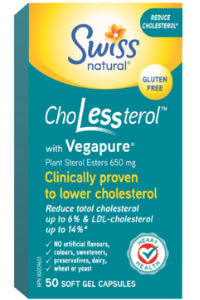
Cholesterol With Vegapure 650mg - 50 Caps
$38.73
Swiss Natural Cholesterol With Vegapure 650mg - 50 Caps is a dietary supplement in capsule form, intended for adults as part of a daily wellness routine.
SWISS NATURAL FOR CHOLESTEROL MANAGEMENTSwiss Vegapure is a product specifically designed to help lower LDL (Low Density Lypoprotein) and total cholesterol levels. It can be taken on its own or in combination with recommendation cholesterol reducers, such as statins and fibrates. Plant sterol estors (phytosterols) found in Vegapure, have been clinically shown to help lower cholesterol levels after 4 weeks of supplementation. [CAPSULES]
Each capsule contains:
Vegapure Vegetable Sterol Esters 650mg
(Soybean oil, rapeseed oil, sunflower oil, cottonseed oil, canola oil, corn oil)
Other Ingredients:
gelatin, glycerin, carob, soybean oil
Important Information:
Consult your healthcare practitioner prior to use. Note : Keep in a cool, dry place. No artificial flavours, colours or sweeteners. No preservatives, dairy, gluten, wheat or yeast. Do not use if you are pregnant/breast feeding.
Dosage
Adults : Take 1 capsule twice daily with meals or as directed by healthcare practitioner.
Swiss Naturals, makers of popular natural health supplements Total One multi-vitamins, Natural HRT Extra Strength, Chewable Vitamin C to support immune health, plus many more! Swiss Naturals products undergo 300 tests for quality and are packaged in 100% recyclable bottles.
Cholesterol
A substance produced in all mammals to help carry and absorb fats throughout the body. Cholesterol is also the base molecule for the production of many hormones, such as
estrogen
and
testosterone. Too much LDL cholesterol can be harmful to health.
Controlling
High Cholesterol
Controlling
High Cholesterol
can be a challenge, but with the right nutritional supplements many people have success...
Heart disease is one of the leading causes of death in North America. High cholesterol contributes to heart disease when the fatty molecules build up on the inside of arteries. This leads to a decrease in the flexibility and elasticity of the walls. As the artery becomes narrower, decreased circulation leads to
high blood pressure
because the body struggles to maintain enough blood flow to its tissues. Pieces of the cholesterol plaque can break off or the turbulent flow of blood can cause clots to form. If the pieces or clots lodge in smaller vessels this leads to
heart attack
or stroke.
Lifestyle factors such as smoking, obesity, improper diet, stress and lack of exercise contribute to your risk of developing high cholesterol and heart disease. It is encouraging to note that adopting a healthier lifestyle and using natural therapies can maintain a healthy vascular system.
Cholesterol is not all bad; it is the amount and the ratio of the various forms of cholesterol that are a health concern. LDL (low density lipoprotein) cholesterol is fat that is being transported from the liver for use by your cells. It is commonly called bad cholesterol. HDL (high density lipoprotein) cholesterol is called good cholesterol because it is fat that is being taken unused cholesterol from your cells back to the liver, where it is broken down. Cholesterol levels are unhealthy if you have lots of circulating LDL, not enough HDL or a combination of the two.
Dietary cholesterol is different than the
serum
cholesterol mentioned above. Although eating foods that are high in cholesterol does raise serum cholesterol levels the liver is responsible for making cholesterol when needed. Thus a cholesterol reduction plan should include a low cholesterol diet with other treatments to help to reduce serum cholesterol. Genetics also plays a role in high cholesterol.
Conventional treatment of high cholesterol
with lipid lowering drugs decreases serum cholesterol but makes only small improvements to your chance of developing heart disease. Plus these drugs have many side effects.
The most troublesome is the increased risk of depression and suicide amongst medicated individuals. The drugs also deplete vital nutrients for
heart health
such as
coenzyme Q10. These medications can interact with natural products. Consult a health professional before starting any new therapy.
Dietary changes for high cholesterol include maintaining adequate fiber intake and lowering the fat and cholesterol content of your foods. Drink lots of clear fluids and eat raw fruits, vegetables and whole grains.
Include green leafy vegetables, nuts, seeds, vegetable
protein
like soybeans and unrefined oils like olive, flax and sunflower in your daily diet. Foods to avoid are any margarine, hydrogenated oils, junk foods, fried foods, processed foods, fast foods, white flour products, white sugar products, red meat, egg yolks, ice cream, salt, coffee, colas and other
caffeine
sources. Eliminate alcohol, tobacco and highly spiced foods.
Use diet, exercise and supplements to maintain a healthy weight. Stress reduction techniques such as deep breathing, yoga or biofeedback will help to maintain a healthy stress level.
Carefully SelectedShips to the U.S.Wellness EssentialsTrusted Brands
Product Details
Cholesterol
A substance produced in all mammals to help carry and absorb fats throughout the body. Cholesterol is also the base molecule for the production of many hormones, such as
estrogen
and
testosterone. Too much LDL cholesterol can be harmful to health.
Controlling
High Cholesterol
Controlling
High Cholesterol
can be a challenge, but with the right nutritional supplements many people have success...
Heart disease is one of the leading causes of death in North America. High cholesterol contributes to heart disease when the fatty molecules build up on the inside of arteries. This leads to a decrease in the flexibility and elasticity of the walls. As the artery becomes narrower, decreased circulation leads to
high blood pressure
because the body struggles to maintain enough blood flow to its tissues. Pieces of the cholesterol plaque can break off or the turbulent flow of blood can cause clots to form. If the pieces or clots lodge in smaller vessels this leads to
heart attack
or stroke.
Lifestyle factors such as smoking, obesity, improper diet, stress and lack of exercise contribute to your risk of developing high cholesterol and heart disease. It is encouraging to note that adopting a healthier lifestyle and using natural therapies can maintain a healthy vascular system.
Cholesterol is not all bad; it is the amount and the ratio of the various forms of cholesterol that are a health concern. LDL (low density lipoprotein) cholesterol is fat that is being transported from the liver for use by your cells. It is commonly called bad cholesterol. HDL (high density lipoprotein) cholesterol is called good cholesterol because it is fat that is being taken unused cholesterol from your cells back to the liver, where it is broken down. Cholesterol levels are unhealthy if you have lots of circulating LDL, not enough HDL or a combination of the two.
Dietary cholesterol is different than the
serum
cholesterol mentioned above. Although eating foods that are high in cholesterol does raise serum cholesterol levels the liver is responsible for making cholesterol when needed. Thus a cholesterol reduction plan should include a low cholesterol diet with other treatments to help to reduce serum cholesterol. Genetics also plays a role in high cholesterol.
Conventional treatment of high cholesterol
with lipid lowering drugs decreases serum cholesterol but makes only small improvements to your chance of developing heart disease. Plus these drugs have many side effects.
The most troublesome is the increased risk of depression and suicide amongst medicated individuals. The drugs also deplete vital nutrients for
heart health
such as
coenzyme Q10. These medications can interact with natural products. Consult a health professional before starting any new therapy.
Dietary changes for high cholesterol include maintaining adequate fiber intake and lowering the fat and cholesterol content of your foods. Drink lots of clear fluids and eat raw fruits, vegetables and whole grains.
Include green leafy vegetables, nuts, seeds, vegetable
protein
like soybeans and unrefined oils like olive, flax and sunflower in your daily diet. Foods to avoid are any margarine, hydrogenated oils, junk foods, fried foods, processed foods, fast foods, white flour products, white sugar products, red meat, egg yolks, ice cream, salt, coffee, colas and other
caffeine
sources. Eliminate alcohol, tobacco and highly spiced foods.
Use diet, exercise and supplements to maintain a healthy weight. Stress reduction techniques such as deep breathing, yoga or biofeedback will help to maintain a healthy stress level.