Helps reduce the symptoms of stress
Helps reduce cortisol and C-reactive protein levels
Promotes relaxation to support restful sleep
Safe, natural and non-habit forming formula
Free from dairy and gluten. Vegan friendly
Helps reduce the symptoms of stress
Helps reduce cortisol and Creactive protein levels
Promotes relaxation to support restful sleep
Safe, natural and nonhabit forming formula
Free from dairy and gluten. Vegan friendly
Quantity
Couldn't load pickup availability
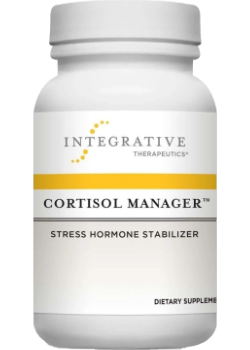
Cortisol Manager - 90 Tabs
$139.48
Nature's Way Cortisol Manager - 90 Tabs is a dietary supplement, intended for adults as part of a daily wellness routine.
Nature's Way Cortisol Manager has been specially formulated to help reduce the symptoms of stress including fatigue, sleeplessness, irritability, and inability to concentrate. Cortisol is a stress hormone that's released when daily stressors are a perceived as a threat, and in turn, can increase fat storage. Containing specific ingredients such as Ashwagandha, L-Theanine and Phosphatidylserine, all of which have been shown to help reduce the effects stress has on the adrenal glands. [TABS]
Each tab contains:
Ashwagandha Root and Leaf (Withania somnifera) (Sensoril®) 8:1 ratio, QCE 1 g standardized to 32% Withania oligosaccharides, 10% Withanolide glycosides 200mg
Magnolia Bark (Magnolia officinalis) 4:1 ratio, QCE 0.6 g, 2% Honokiol, 1% Magnolol 150mg
L-Theanine (Camellia sinensis Leaf) (Suntheanine®) 50mg
Phosphatidylserine 50mg
Non-Medicinal Ingredients:
Microcrystalline cellulose, dextrose, croscarmellose sodium, stearic acid, polyvinyl alcohol, magnesium stearate, maltodextrin, titanium dioxide colour, macrogol, silica, talc
Important Information:
Do not use if you are pregnant or breastfeeding. Keep out of reach of children. Safety sealed with inner seal. Do not use if seal is broken or missing. Store at room temperature. See below for more information
Dosage
Adults, take 1-2 tablets per day.
Quality Herbals For Over 40 Years.
For over 40 years, Nature’s Way has built a reputation for quality and trust. Nature's Way is committed to using pure ingredients, backed by rigorous testing, which has earned them a reputation as one of Canada’s most trusted natural product brands. Shop Nature's Way Canada Fenugreek, Probiotics, Astragalus, Liquid Coconut Oil, Echinacea and other natural herbal remedies.
Cortisol Manager Warnings:
If symptoms persist or worsen, or if new symptoms develop, consult a health care practitioner. If you are taking any prescription medication, consult a health care practitioner prior to use. Consult a health care practitioner prior to use if you have
diabetes, a kidney disorder, or blood pressure problems. Consult a health care practitioner prior to use if you suffer from any psychological disorder and/or condition such as frequent anxiety or depression. May cause heartburn, shaking hands, perilabial numbness, sexual dysfunction and thyroid dysfunction. Some people may experience drowsiness. Exercise caution if operating heavy machinery, driving a motor vehicle or involved in activities requiring mental alertness. Consumption with alcohol, other medications or natural health products with sedative and/or analgesic properties is not recommended. If dizziness, vomiting, dry mouth, thirst or nosebleed occur, discontinue use.
STRESS RELEIF
Who doesn't experience stress? But not all people handle it equally well. Nutritional supplements and herbs can help you to better manage stress...
Stress is usually thought of as a negative factor in our daily lives but it is necessary part of life. Without Stress life becomes boring. The key to stress, as with everything else in life, is balance. Enough to keep you interested but not enough to become overwhelmed. Individuals have different thresholds for stress. What is seen as stressful to one person may not be stressful to another.
The stress response is the body’s way of preparing for action. As our species evolved it kept us safe, allowing us to fight for survival, or to flee from dangerous situations. The sympathetic nervous system response involves increased heart rate, blood pressure and adrenal output, as well as increased blood flow to the brain, muscles, lungs and heart. Those organs that are not needed to fight or flee receive less blood flow, for example, the digestive organs. This response is very efficient for a short period of time but it is meant to be used sparingly.
There are three types of stressors and the body deals with each one the same way. The three general categories are:
- Emotional
- Chemical
- Physical
Emotional stress can be caused by any emotion including love, hate, anger and envy.
Chemical stressors are microbes, poisons, oxygen deprivation, drugs, nutrient deficiency, pollution, alcohol and junk foods.
Physical stressors are loud noises, x-rays, UV light, gravity and temperature. Nowadays our body’s reaction to stress is seen as inappropriate, because the stressors we face are not usually life-threatening or dangerous, yet our body responds as it always has.
The result of constant stress can be tense muscles, headaches, stomach cramps, teeth grinding, decreased immunity, exhaustion and
insomnia. Emotionally stress can lead to memory problems, depression, emotional outbursts and panic attacks. It is believed that constant stress is a factor in the development of many chronic diseases.
Certain factors make individuals more likely to suffer from stress related illnesses:
- Personality traits
- Ignoring the body's signals
- Dietary deficiencies
- Irregular daily patterns
- Lack of physical activity
Certain personality types are more likely to exhibit stress related problems. Individuals who exhibit workaholic behaviour and have exceptionally high standards are labelled as having a “Type A” personality. These individuals are constantly under stress and as a result have increased risks of stress related diseases such as
heart attack.
We often ignore the first signs of stress, such as headaches and
insomnia, and use medication to stop the symptoms. We use stimulants, like
caffeine, to allow ourselves to keep working when the body is trying to tell us to slow down. The masking of stress symptoms eventually causes the body to breakdown.
The standard North American diet is deficient in vitamins, minerals and essential fatty acids. It is high in saturated fat, refined
carbohydrates
and chemical additives and preservatives. These substances not only do not give your body usable energy, but they also inhibit the use of good quality food by depleting
enzymes
and hormones necessary for energy conversion. The body must also deal with the toxic by-products of foods like bleached flour and sugar, artificial sweeteners and flavours and trans-fatty acids. All of these stressors compromise the health of an individual.
Irregular sleeping and eating patterns make one susceptible to stress related illness. Sleep is an essential component of our body’s repair mechanisms. During sleep the body is in an anabolic, or building, state. It has time to regenerate cells and replenish hormones, enzymes and neurotransmitters. Insomnia prevents the repair of normal damage from the body’s daily activity. The brain also requires sleep in order to process information that is learned throughout the day.
Irregular eating patterns stress the body by not providing nutrients at regular intervals. When the body is lacking nutrients it compromises the body’s functioning. When an individual finally does eat the body rushes to use the nutrients and store whatever it does not need, in anticipation that the next meal may not come for a while.
Lack of exercise contributes to stress by compromising the circulation of all molecules around the body, including food particles, oxygen and hormones. Circulation is also responsible for flushing waste products out of the cells and taking them to the appropriate organs for processing and excretion. The venous system contains no values so blood flow back to the heart is dependent on movement of the surrounding musculature. Exercise also removes tension from muscles and offers an outlet for unexpressed emotions.
Fortunately there are many natural therapies to improve your body’s resistance to stress.
Dietary support for stress is as follows:
- Decrease your consumption of salt, alcohol, caffeine, tobacco, corticosteroids, fried foods, pork products, red meat, processed foods, sugar and white flour.
- Eat more foods containing high amounts of vitamins and minerals, like green leafy vegetables, seaweeds, whole grains, nuts and seeds and legumes. Foods containing B vitamins are green leafy vegetables, eggs, lean meat, whole grains and nutritional yeast. Consume essential fatty acids in flax, pumpkin, hemp and sunflower seed oils or in fish.
- Drink 2L of filtered water daily. Avoid chlorinated and fluoridated water.
Sleep hygiene is an essential component of healthy sleep. Go to bed only when you are tired and do not stay in bed if you re not sleepy. Use the bedroom only for sleep and sex. Get up at the same time each day. Do not nap unless it is a daily routine and exercise during the day but not before bed. Take a hot bath or shower 1-2 hours before bed. Keep the bedroom quiet and comfortable. If necessary, use a white noise machine to generate background noise. Put worries out of your mind and think of positive things.
Support your emotional health by constructively releasing frustrations and anger. Take classes in yoga, biofeedback or anger management. Allow yourself to grieve after the loss of important people or things in your life. Seek out self-help groups and ask for help from family and friends during stressful times.
Regular moderate exercise decreases stress levels by increasing circulation and decreasing muscle tension. Find an activity that you enjoy and that you can comfortably undertake given your age and health status.
What You Can Do To Help Maintain Stress Relief:
- Go to sleep at the same time every night.
- Take
B complex
vitamins.
- Don't eat refined sugar; it can cause your blood sugar levels to fluctuate which negatively affects mood.
- Drink plenty of water.
- Support your adrenal glands with an natural
adrenal support
formula.
- Do an exercise you enjoy appropriate for your lifestyle.
Stress Relief Quick Facts:
- Constant stress can lead to adrenal gland exhaustion.
- Coffee contributes to stress by depleting the B complex vitamins you need to cope with it.
- Long term stress has been linked to increased risk of heart attacks and stroke.
Carefully SelectedShips to the U.S.Wellness EssentialsTrusted Brands
Product Details
Cortisol Manager Warnings:
If symptoms persist or worsen, or if new symptoms develop, consult a health care practitioner. If you are taking any prescription medication, consult a health care practitioner prior to use. Consult a health care practitioner prior to use if you have
diabetes, a kidney disorder, or blood pressure problems. Consult a health care practitioner prior to use if you suffer from any psychological disorder and/or condition such as frequent anxiety or depression. May cause heartburn, shaking hands, perilabial numbness, sexual dysfunction and thyroid dysfunction. Some people may experience drowsiness. Exercise caution if operating heavy machinery, driving a motor vehicle or involved in activities requiring mental alertness. Consumption with alcohol, other medications or natural health products with sedative and/or analgesic properties is not recommended. If dizziness, vomiting, dry mouth, thirst or nosebleed occur, discontinue use.
STRESS RELEIF
Who doesn't experience stress? But not all people handle it equally well. Nutritional supplements and herbs can help you to better manage stress...
Stress is usually thought of as a negative factor in our daily lives but it is necessary part of life. Without Stress life becomes boring. The key to stress, as with everything else in life, is balance. Enough to keep you interested but not enough to become overwhelmed. Individuals have different thresholds for stress. What is seen as stressful to one person may not be stressful to another.
The stress response is the body’s way of preparing for action. As our species evolved it kept us safe, allowing us to fight for survival, or to flee from dangerous situations. The sympathetic nervous system response involves increased heart rate, blood pressure and adrenal output, as well as increased blood flow to the brain, muscles, lungs and heart. Those organs that are not needed to fight or flee receive less blood flow, for example, the digestive organs. This response is very efficient for a short period of time but it is meant to be used sparingly.
There are three types of stressors and the body deals with each one the same way. The three general categories are:
- Emotional
- Chemical
- Physical
Emotional stress can be caused by any emotion including love, hate, anger and envy.
Chemical stressors are microbes, poisons, oxygen deprivation, drugs, nutrient deficiency, pollution, alcohol and junk foods.
Physical stressors are loud noises, x-rays, UV light, gravity and temperature. Nowadays our body’s reaction to stress is seen as inappropriate, because the stressors we face are not usually life-threatening or dangerous, yet our body responds as it always has.
The result of constant stress can be tense muscles, headaches, stomach cramps, teeth grinding, decreased immunity, exhaustion and
insomnia. Emotionally stress can lead to memory problems, depression, emotional outbursts and panic attacks. It is believed that constant stress is a factor in the development of many chronic diseases.
Certain factors make individuals more likely to suffer from stress related illnesses:
- Personality traits
- Ignoring the body's signals
- Dietary deficiencies
- Irregular daily patterns
- Lack of physical activity
Certain personality types are more likely to exhibit stress related problems. Individuals who exhibit workaholic behaviour and have exceptionally high standards are labelled as having a “Type A” personality. These individuals are constantly under stress and as a result have increased risks of stress related diseases such as
heart attack.
We often ignore the first signs of stress, such as headaches and
insomnia, and use medication to stop the symptoms. We use stimulants, like
caffeine, to allow ourselves to keep working when the body is trying to tell us to slow down. The masking of stress symptoms eventually causes the body to breakdown.
The standard North American diet is deficient in vitamins, minerals and essential fatty acids. It is high in saturated fat, refined
carbohydrates
and chemical additives and preservatives. These substances not only do not give your body usable energy, but they also inhibit the use of good quality food by depleting
enzymes
and hormones necessary for energy conversion. The body must also deal with the toxic by-products of foods like bleached flour and sugar, artificial sweeteners and flavours and trans-fatty acids. All of these stressors compromise the health of an individual.
Irregular sleeping and eating patterns make one susceptible to stress related illness. Sleep is an essential component of our body’s repair mechanisms. During sleep the body is in an anabolic, or building, state. It has time to regenerate cells and replenish hormones, enzymes and neurotransmitters. Insomnia prevents the repair of normal damage from the body’s daily activity. The brain also requires sleep in order to process information that is learned throughout the day.
Irregular eating patterns stress the body by not providing nutrients at regular intervals. When the body is lacking nutrients it compromises the body’s functioning. When an individual finally does eat the body rushes to use the nutrients and store whatever it does not need, in anticipation that the next meal may not come for a while.
Lack of exercise contributes to stress by compromising the circulation of all molecules around the body, including food particles, oxygen and hormones. Circulation is also responsible for flushing waste products out of the cells and taking them to the appropriate organs for processing and excretion. The venous system contains no values so blood flow back to the heart is dependent on movement of the surrounding musculature. Exercise also removes tension from muscles and offers an outlet for unexpressed emotions.
Fortunately there are many natural therapies to improve your body’s resistance to stress.
Dietary support for stress is as follows:
- Decrease your consumption of salt, alcohol, caffeine, tobacco, corticosteroids, fried foods, pork products, red meat, processed foods, sugar and white flour.
- Eat more foods containing high amounts of vitamins and minerals, like green leafy vegetables, seaweeds, whole grains, nuts and seeds and legumes. Foods containing B vitamins are green leafy vegetables, eggs, lean meat, whole grains and nutritional yeast. Consume essential fatty acids in flax, pumpkin, hemp and sunflower seed oils or in fish.
- Drink 2L of filtered water daily. Avoid chlorinated and fluoridated water.
Sleep hygiene is an essential component of healthy sleep. Go to bed only when you are tired and do not stay in bed if you re not sleepy. Use the bedroom only for sleep and sex. Get up at the same time each day. Do not nap unless it is a daily routine and exercise during the day but not before bed. Take a hot bath or shower 1-2 hours before bed. Keep the bedroom quiet and comfortable. If necessary, use a white noise machine to generate background noise. Put worries out of your mind and think of positive things.
Support your emotional health by constructively releasing frustrations and anger. Take classes in yoga, biofeedback or anger management. Allow yourself to grieve after the loss of important people or things in your life. Seek out self-help groups and ask for help from family and friends during stressful times.
Regular moderate exercise decreases stress levels by increasing circulation and decreasing muscle tension. Find an activity that you enjoy and that you can comfortably undertake given your age and health status.
What You Can Do To Help Maintain Stress Relief:
- Go to sleep at the same time every night.
- Take
B complex
vitamins.
- Don't eat refined sugar; it can cause your blood sugar levels to fluctuate which negatively affects mood.
- Drink plenty of water.
- Support your adrenal glands with an natural
adrenal support
formula.
- Do an exercise you enjoy appropriate for your lifestyle.
Stress Relief Quick Facts:
- Constant stress can lead to adrenal gland exhaustion.
- Coffee contributes to stress by depleting the B complex vitamins you need to cope with it.
- Long term stress has been linked to increased risk of heart attacks and stroke.