

1
/
of
1
Adrien Gagnon
Energex Boost - 60 Caps
Energex Boost - 60 Caps
Regular price
$29.43 USD
Regular price
Sale price
$29.43 USD
Shipping calculated at checkout.
No reviews
Availability
In stock, and ready to ship
Key Benefits
Key Benefits
Helps improve mental and/or physical performance after periods of mental and/or physical exertion
Helps relieve general weakness/fatigue and/or to aid during recovery
Fast acting
Long lasting
Gluten, Dairy and Tree Nut Free
- Helps improve mental and/or physical performance after periods of mental and/or physical exertion
- Helps relieve general weakness/fatigue and/or to aid during recovery
- Fast acting
- Long lasting
- Gluten, Dairy and Tree Nut Free
Quantity
Couldn't load pickup availability

Energex Boost - 60 Caps
$29.43
Adrien Gagnon Energex Boost - 60 Caps is a dietary supplement in capsule form, intended for adults as part of a daily wellness routine.
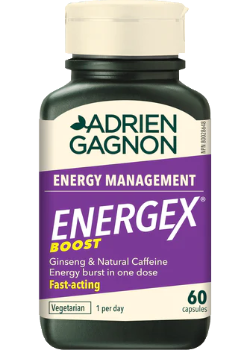
Need a kick of energy? Formerly called Super Energex+, Adrien Gagnon’s boosting capsule formula provides a quick and lasting energy boost for a few hours. It particularly targets intellectual performance and mental capacities, with an effect against physical fatigue as a bonus. This blend of Kola nut with a slight dose of caffeine, and adaptogenic plants, is perfect when energy is low and fatigue is felt, but it is not yet time to stop. Also in Energex Boost is Rhodiola which has been used for centuries in Russia and Scandinavia to fight the Siberian climate and its stressful effect. Also available in liquid formula. Ideal for students during exam periods, for people whose jobs are intellectual and stressful, or for people who live in states of high mental stress. [CAPS]
Each capsule contains:
Kola nut (4:1 extract standardized to 8% in caffeine) [Cola nitida] (seed germ) equivalent to 1,600 mg of Kola nut and 32 mg of caffein 400 mg
Siberian ginseng (10:1 extract) [Eleutherococcus senticosus] (root) equivalent to 2,000 mg of Siberian ginseng 200 mg
Roseroot (extract standardized to 3% in rosavin) [Rhodiola rosea] (root and rhizome) equivalent to 1.5 mg of rosavin 50 mg
Non-medicinal Ingredients:
Hypromellose, maltodextrin, tricalcium phosphate.
Important Information:
Consult a health care practitioner for use beyond 1 week or if symptoms persist or worsen. Consult a health care practitioner prior to use if you have any type of acute infection, are taking lithium, have glaucoma or detrusor instability (overactive bladder syndrome). Do not use if you are pregnant, breastfeeding or have high blood pressure, gastric or duodenal ulcers. Contains caffeine. Consumption with natural health products or drugs (e.g. bitter orange extract, synephrine, octopamine, ephedra, ephedrinewhich increase blood pressure, or other caffeine-containing products (e.g. medications, coffee, tea, colas, cocoa, guarana, maté is not recommended. May cause nervousness, insomnia or allergy (hypersensitivity); in which case, discontinue use.
Kola nut (4:1 extract standardized to 8% in caffeine) [Cola nitida] (seed germ) equivalent to 1,600 mg of Kola nut and 32 mg of caffein 400 mg
Siberian ginseng (10:1 extract) [Eleutherococcus senticosus] (root) equivalent to 2,000 mg of Siberian ginseng 200 mg
Roseroot (extract standardized to 3% in rosavin) [Rhodiola rosea] (root and rhizome) equivalent to 1.5 mg of rosavin 50 mg
Non-medicinal Ingredients:
Hypromellose, maltodextrin, tricalcium phosphate.
Important Information:
Consult a health care practitioner for use beyond 1 week or if symptoms persist or worsen. Consult a health care practitioner prior to use if you have any type of acute infection, are taking lithium, have glaucoma or detrusor instability (overactive bladder syndrome). Do not use if you are pregnant, breastfeeding or have high blood pressure, gastric or duodenal ulcers. Contains caffeine. Consumption with natural health products or drugs (e.g. bitter orange extract, synephrine, octopamine, ephedra, ephedrinewhich increase blood pressure, or other caffeine-containing products (e.g. medications, coffee, tea, colas, cocoa, guarana, maté is not recommended. May cause nervousness, insomnia or allergy (hypersensitivity); in which case, discontinue use.
Dosage
Adults: Take 1-2 capsules as needed, with breakfast. Avoid taking before bedtime.
Adults: Take 1-2 capsules as needed, with breakfast. Avoid taking before bedtime.
Empowering Canadians with Natural Wellness for Over 75 Years
Adrien Gagnon is a Canadian Naturopath that has been formulating natural health products for over 70 years. Adrien Gagnon supports many health concerns including; Energy with Super Energex, Women’s health with formulations like Feminex Meno Relief & Healthy Legs for varicose veins, Joint health with Glucosamine & Collagen Type 2, and overall health with vitamins and minerals such as calcium, magnesium and zinc, plus many more. They’re constantly finding innovative ways to offer top quality supplements with the best natural ingredients.
Adrien Gagnon is a Canadian Naturopath that has been formulating natural health products for over 70 years. Adrien Gagnon supports many health concerns including; Energy with Super Energex, Women’s health with formulations like Feminex Meno Relief & Healthy Legs for varicose veins, Joint health with Glucosamine & Collagen Type 2, and overall health with vitamins and minerals such as calcium, magnesium and zinc, plus many more. They’re constantly finding innovative ways to offer top quality supplements with the best natural ingredients.
ENERGY
By: Articles by a Naturopathic Doctor and a Holistic Nutritionist
ONE OF THE BEST FEELINGS THAT YOU CAN HAVE IS BEING FULL OF BOUNDLESS ENERGY AND LIFE. BUT FOR SOME PEOPLE, IT'S NOT SO EASY; STRESS & MEDICAL CONDITIONS CAN CAUSE FATIGUE ON A DAILY BASIS...
Picture your body as a machine. In order to get your body to work your body needs fuel or food. It then transports that fuel to each cell. Inside each cell are little engines called mitochondria. They take in the fuel and process it to release energy.
This processed energy is your body’s main source of energy as it is used to power all of the body’s cell processes. The glandular system is another important energetic body system that regulates which energy comes into the body and where it goes. It’s sort of like the fuel injector of your body. Blood cells carry oxygen all around the body, which is needed for cells to perform their duties, making this system another critical part of your body’s energy regulation.
Lack of energy can be attributed to many causes. All of these causes must negatively impact on our body’s ability to get fuel into the body, inhibit the mitochondria’s ability to turn it into energy or alter the functioning of the hormonal and blood system. Some of these factors are:
- Poor nutrition
- Toxin accumulation from medications, environmental sources or food and water.
- Lack of sleep
- Stress and emotional issues
- Lack of exercise
Poor nutrition impacts on energy in obvious ways. If your body does not have enough raw materials to provide for it’s functioning than you will feel fatigued. The standard North American diet is deficient in vitamins, minerals and essential fatty acids. It is high in saturated fat, refined carbohydrates and chemical additives and preservatives. These substances not only do not give your body usable energy, but they also inhibit the use of good quality food by depleting
enzymes
and hormones necessary for energy conversion. The body must also deal with the toxic by-products of foods like bleached flour and sugar, artificial sweeteners and flavours and trans-fatty acids. Energy expenditure is funnelled towards detoxification of these substances instead of growth, cell replication and metabolism.
The type of food that you eat also affects energy by providing short, intense bursts of fuel for the cells or sustained, steady fuel release. Simple sugars or carbohydrates are quickly absorbed by the body and go into the bloodstream for immediate use for cells. This accounts for the energy burst you feel after eating a sugary snack. It also accounts for the fatigue that comes on a few minutes after the sugar is used up. These fluctuations in blood sugar are hard on the body because it stresses the system. Hormones are rapidly used up when sugar saturates the bloodstream but when it comes time to replenish the supply the body has low amounts of energy to use for this purpose. Its like making the body do multiple sprints instead of letting it lope along at a comfortable rate. The brain uses only the sugar, glucose, for energy. At some time or another everyone has felt the foggy feeling in the head caused by low blood sugar. This is proof that fluctuating blood sugar is not conducive to optimal brain functioning.
Blood cell production and function depends on the intake of
protein, vitamins, including B vitamins, and minerals, including iron. Without hemoglobin, the red blood cells are unable to carry oxygen. As a result cells become starved of oxygen and cannot produce energy.
Besides toxic by-products in our food, the body must also deal with the toxins taken in from our environment and toxins within medications. The body has effective ways of dealing with toxins and waste products using the liver, intestines, kidneys, lungs and skin. Environmental toxins can cause these pathways to become blocked. The back up of waste material makes it harder for the rest of the body to function normally and ultimately leads to lack of energy. Since the environment in which we live makes it impossible for us to maintain a pristine lifestyle all of us can suffer from lack of energy due to the build-up of environmental toxins.
The only way for medication to have a therapeutic effect is if it has a significant half-life in the body. Half-life means the length of time it takes for the body to eliminate half of the drug. Overwhelming the body’s detoxifying ability, with medications, has a negative effect on the organs of detoxification. It prevents the system from dealing with the accumulation of normal metabolic by-products, wears out the organs and depletes nutrients that are needed for the detoxification process.
Sleep is an essential component of our body’s repair mechanisms. During sleep the body is in an anabolic, or building, state. It has time to regenerate cells and replenish hormones, enzymes and neurotransmitters.
Insomnia
prevents the repair of normal damage from the body’s daily activity. Over time this leads to a decrease in cellular functioning and ultimately causes fatigue. The brain also requires sleep in order to process information that is learned throughout the day.
Stress, whether physical, mental or emotional, strains the body and ultimately leads to fatigue. Stress puts the body into sympathetic nervous system mode. In this mode the body is on high alert, energy is being focused on the senses, heart and muscles. The digestive system receives less blood flow and cannot function to capacity. Therefore the body is less able to take in fuel and it is using it up at an increased rate.
Mental and emotional stress also depletes neurochemicals that regulate our sense of well-being. If these neurochemicals are not replaced then disorders, such as depression, can develop.
Lack of exercise can lead to fatigue by compromising the circulation of all molecules around the body, including food particles, oxygen and hormones. Circulation is also responsible for flushing waste products out of the cells and taking them to the appropriate organs for processing and excretion. The venous system contains no values so blood flow back to the heart is dependent on movement of the surrounding musculature.
Any medical condition can alter the body’s functioning and cause feelings of fatigue. Here are a few conditions that directly impact on energy levels:
Adrenal glands are small glands located on the upper pole of each kidney. There are two main areas of the adrenals. The cortex produces sex hormones, stress hormones and other hormones responsible for water and sugar balance. The medulla produces the stress hormones adrenaline and nor adrenaline. Adrenal depletion can be caused by a high stress lifestyle, poor diet and abuse of drugs or alcohol. When the adrenal gland is unable to produce adrenaline, in response to sympathetic stimulation, fatigue is one of the symptoms. With proper
adrenal support
the gland can rebound quickly and total adrenal failure is uncommon.
Anemia results in the decreased ability of red blood cells to carry oxygen. One of the first symptoms is fatigue and exhaustion after small amounts of activity. There are several types of anemia. Iron deficiency anemia is the most common. Megaloblastic anemia is due to a dietary deficiency of B12 and possibly
folic acid. Pernicious anemia is also due to a deficiency of B12. This time it occurs because of lack of the ability to absorb B12 in the stomach. Hemolytic anemia occurs when red blood cells are prematurely destroyed. It is an inherited blood disorder. Poisoning from toxic substances may also cause anemia. Anemia during pregnancy is common but is usually caused by increased blood volume as opposed to a lack of oxygen carrying ability.
Diabetes occurs when a person’s
pancreas
is unable to produce enough insulin to metabolize the amount of sugar that they are ingesting. Sugar can be transported to the cells but will not be taken into the cell without insulin. The cells are starving for fuel even though it is right outside the membrane. Progressive fatigue is one symptom of diabetes.
The thyroid gland sets the metabolic rate for the body. When the thyroid gland is low functioning the body is in a hypothyroid state. Hypothyroidism causes many symptoms including fatigue, an increased need for sleep, poor memory, weight gain, frequent infections, hair loss, dry skin, cold skin, poor nail growth, bowel changes and muscle and joint aches.
Sex hormone imbalances, such as
menopause
or andropause, can cause decreased energy because the ovaries and testicles are part of the hormonal gland axis, along with the adrenals and thyroid. As we age, and the functioning of the sex glands decrease, the adrenals and thyroid have to re-establish the body’s hormonal balance. The additional strain can lead to problems with the other glands, resulting in fatigue.
Fortunately there are many natural therapies to improve your body’s use of energy.
Dietary support for increasing energy is as follows:
- Decrease your consumption of alcohol, caffeine, tobacco, corticosteroids, fried foods, pork products, red meat, processed foods, sugar and white flour.
- Eat more foods containing high amounts of vitamins and minerals, like green leafy vegetables, seaweeds, whole grains, nuts and seeds and legumes. Foods containing iron and B vitamins are green leafy vegetables, dried apricots, prunes, raisins, oats, blackstrap molasses, kidney beans, pinto beans, nutritional yeast,
spirulina, meats and dairy products. Consume essential fatty acids in flax, pumpkin, hemp and sunflower seed oils or in fish.
- Drink 2L of filtered water daily. Avoid chlorinated and fluoridated water because they block
iodine
receptors in the thyroid.
Detoxification involves dietary, supplemental and physical interventions. It usually focuses on one or more of the main organs of detoxification, the liver, kidneys, bowels, lungs or skin. To help detoxify the body avoid packaged or fast foods, coffee, black tea, chocolate, alcohol, white sugar, salt, condiments, tobacco, dairy products, fried food, preservatives or artificial sweeteners. Consume 2L of filtered water daily, herbal teas and 100% pure fruit juices. Eat fresh or steamed fruits and vegetables, whole grains, lean meats, fish, soy products, nuts, seeds, cold pressed vegetable oils and spices. Drink a glass of warm water with the juice of half a lemon each morning to regulate bowel and liver function. Use supplementation to focus the detoxification on one or more organs.
Sleep hygiene is an essential component of healthy sleep. Go to bed only when you are tired and do not stay in bed if you re not sleepy. Use the bedroom only for sleep and sex. Get up at the same time each day. Do not nap unless it is a daily routine and exercise during the day but not before bed. Take a hot bath or shower 1-2 hours before bed. Keep the bedroom quiet and comfortable. If necessary, use a white noise machine to generate background noise. Put worries out of your mind and think of positive things.
Support your emotional health by constructively releasing frustrations and anger. Take classes in yoga, biofeedback or anger management. Allow yourself to grieve after the loss of important people or things in your life. Seek out self-help groups and ask for help from family and friends during stressful times.
Regular moderate exercise raises energy levels by increasing circulation and releasing stress. Find an activity that you enjoy and that you can comfortably undertake given your age and health status.
By: Articles by a Naturopathic Doctor and a Holistic Nutritionist
ONE OF THE BEST FEELINGS THAT YOU CAN HAVE IS BEING FULL OF BOUNDLESS ENERGY AND LIFE. BUT FOR SOME PEOPLE, IT'S NOT SO EASY; STRESS & MEDICAL CONDITIONS CAN CAUSE FATIGUE ON A DAILY BASIS...
Picture your body as a machine. In order to get your body to work your body needs fuel or food. It then transports that fuel to each cell. Inside each cell are little engines called mitochondria. They take in the fuel and process it to release energy.
This processed energy is your body’s main source of energy as it is used to power all of the body’s cell processes. The glandular system is another important energetic body system that regulates which energy comes into the body and where it goes. It’s sort of like the fuel injector of your body. Blood cells carry oxygen all around the body, which is needed for cells to perform their duties, making this system another critical part of your body’s energy regulation.
Lack of energy can be attributed to many causes. All of these causes must negatively impact on our body’s ability to get fuel into the body, inhibit the mitochondria’s ability to turn it into energy or alter the functioning of the hormonal and blood system. Some of these factors are:
- Poor nutrition
- Toxin accumulation from medications, environmental sources or food and water.
- Lack of sleep
- Stress and emotional issues
- Lack of exercise
Poor nutrition impacts on energy in obvious ways. If your body does not have enough raw materials to provide for it’s functioning than you will feel fatigued. The standard North American diet is deficient in vitamins, minerals and essential fatty acids. It is high in saturated fat, refined carbohydrates and chemical additives and preservatives. These substances not only do not give your body usable energy, but they also inhibit the use of good quality food by depleting
enzymes
and hormones necessary for energy conversion. The body must also deal with the toxic by-products of foods like bleached flour and sugar, artificial sweeteners and flavours and trans-fatty acids. Energy expenditure is funnelled towards detoxification of these substances instead of growth, cell replication and metabolism.
The type of food that you eat also affects energy by providing short, intense bursts of fuel for the cells or sustained, steady fuel release. Simple sugars or carbohydrates are quickly absorbed by the body and go into the bloodstream for immediate use for cells. This accounts for the energy burst you feel after eating a sugary snack. It also accounts for the fatigue that comes on a few minutes after the sugar is used up. These fluctuations in blood sugar are hard on the body because it stresses the system. Hormones are rapidly used up when sugar saturates the bloodstream but when it comes time to replenish the supply the body has low amounts of energy to use for this purpose. Its like making the body do multiple sprints instead of letting it lope along at a comfortable rate. The brain uses only the sugar, glucose, for energy. At some time or another everyone has felt the foggy feeling in the head caused by low blood sugar. This is proof that fluctuating blood sugar is not conducive to optimal brain functioning.
Blood cell production and function depends on the intake of
protein, vitamins, including B vitamins, and minerals, including iron. Without hemoglobin, the red blood cells are unable to carry oxygen. As a result cells become starved of oxygen and cannot produce energy.
Besides toxic by-products in our food, the body must also deal with the toxins taken in from our environment and toxins within medications. The body has effective ways of dealing with toxins and waste products using the liver, intestines, kidneys, lungs and skin. Environmental toxins can cause these pathways to become blocked. The back up of waste material makes it harder for the rest of the body to function normally and ultimately leads to lack of energy. Since the environment in which we live makes it impossible for us to maintain a pristine lifestyle all of us can suffer from lack of energy due to the build-up of environmental toxins.
The only way for medication to have a therapeutic effect is if it has a significant half-life in the body. Half-life means the length of time it takes for the body to eliminate half of the drug. Overwhelming the body’s detoxifying ability, with medications, has a negative effect on the organs of detoxification. It prevents the system from dealing with the accumulation of normal metabolic by-products, wears out the organs and depletes nutrients that are needed for the detoxification process.
Sleep is an essential component of our body’s repair mechanisms. During sleep the body is in an anabolic, or building, state. It has time to regenerate cells and replenish hormones, enzymes and neurotransmitters.
Insomnia
prevents the repair of normal damage from the body’s daily activity. Over time this leads to a decrease in cellular functioning and ultimately causes fatigue. The brain also requires sleep in order to process information that is learned throughout the day.
Stress, whether physical, mental or emotional, strains the body and ultimately leads to fatigue. Stress puts the body into sympathetic nervous system mode. In this mode the body is on high alert, energy is being focused on the senses, heart and muscles. The digestive system receives less blood flow and cannot function to capacity. Therefore the body is less able to take in fuel and it is using it up at an increased rate.
Mental and emotional stress also depletes neurochemicals that regulate our sense of well-being. If these neurochemicals are not replaced then disorders, such as depression, can develop.
Lack of exercise can lead to fatigue by compromising the circulation of all molecules around the body, including food particles, oxygen and hormones. Circulation is also responsible for flushing waste products out of the cells and taking them to the appropriate organs for processing and excretion. The venous system contains no values so blood flow back to the heart is dependent on movement of the surrounding musculature.
Any medical condition can alter the body’s functioning and cause feelings of fatigue. Here are a few conditions that directly impact on energy levels:
Adrenal glands are small glands located on the upper pole of each kidney. There are two main areas of the adrenals. The cortex produces sex hormones, stress hormones and other hormones responsible for water and sugar balance. The medulla produces the stress hormones adrenaline and nor adrenaline. Adrenal depletion can be caused by a high stress lifestyle, poor diet and abuse of drugs or alcohol. When the adrenal gland is unable to produce adrenaline, in response to sympathetic stimulation, fatigue is one of the symptoms. With proper
adrenal support
the gland can rebound quickly and total adrenal failure is uncommon.
Anemia results in the decreased ability of red blood cells to carry oxygen. One of the first symptoms is fatigue and exhaustion after small amounts of activity. There are several types of anemia. Iron deficiency anemia is the most common. Megaloblastic anemia is due to a dietary deficiency of B12 and possibly
folic acid. Pernicious anemia is also due to a deficiency of B12. This time it occurs because of lack of the ability to absorb B12 in the stomach. Hemolytic anemia occurs when red blood cells are prematurely destroyed. It is an inherited blood disorder. Poisoning from toxic substances may also cause anemia. Anemia during pregnancy is common but is usually caused by increased blood volume as opposed to a lack of oxygen carrying ability.
Diabetes occurs when a person’s
pancreas
is unable to produce enough insulin to metabolize the amount of sugar that they are ingesting. Sugar can be transported to the cells but will not be taken into the cell without insulin. The cells are starving for fuel even though it is right outside the membrane. Progressive fatigue is one symptom of diabetes.
The thyroid gland sets the metabolic rate for the body. When the thyroid gland is low functioning the body is in a hypothyroid state. Hypothyroidism causes many symptoms including fatigue, an increased need for sleep, poor memory, weight gain, frequent infections, hair loss, dry skin, cold skin, poor nail growth, bowel changes and muscle and joint aches.
Sex hormone imbalances, such as
menopause
or andropause, can cause decreased energy because the ovaries and testicles are part of the hormonal gland axis, along with the adrenals and thyroid. As we age, and the functioning of the sex glands decrease, the adrenals and thyroid have to re-establish the body’s hormonal balance. The additional strain can lead to problems with the other glands, resulting in fatigue.
Fortunately there are many natural therapies to improve your body’s use of energy.
Dietary support for increasing energy is as follows:
- Decrease your consumption of alcohol, caffeine, tobacco, corticosteroids, fried foods, pork products, red meat, processed foods, sugar and white flour.
- Eat more foods containing high amounts of vitamins and minerals, like green leafy vegetables, seaweeds, whole grains, nuts and seeds and legumes. Foods containing iron and B vitamins are green leafy vegetables, dried apricots, prunes, raisins, oats, blackstrap molasses, kidney beans, pinto beans, nutritional yeast,
spirulina, meats and dairy products. Consume essential fatty acids in flax, pumpkin, hemp and sunflower seed oils or in fish.
- Drink 2L of filtered water daily. Avoid chlorinated and fluoridated water because they block
iodine
receptors in the thyroid.
Detoxification involves dietary, supplemental and physical interventions. It usually focuses on one or more of the main organs of detoxification, the liver, kidneys, bowels, lungs or skin. To help detoxify the body avoid packaged or fast foods, coffee, black tea, chocolate, alcohol, white sugar, salt, condiments, tobacco, dairy products, fried food, preservatives or artificial sweeteners. Consume 2L of filtered water daily, herbal teas and 100% pure fruit juices. Eat fresh or steamed fruits and vegetables, whole grains, lean meats, fish, soy products, nuts, seeds, cold pressed vegetable oils and spices. Drink a glass of warm water with the juice of half a lemon each morning to regulate bowel and liver function. Use supplementation to focus the detoxification on one or more organs.
Sleep hygiene is an essential component of healthy sleep. Go to bed only when you are tired and do not stay in bed if you re not sleepy. Use the bedroom only for sleep and sex. Get up at the same time each day. Do not nap unless it is a daily routine and exercise during the day but not before bed. Take a hot bath or shower 1-2 hours before bed. Keep the bedroom quiet and comfortable. If necessary, use a white noise machine to generate background noise. Put worries out of your mind and think of positive things.
Support your emotional health by constructively releasing frustrations and anger. Take classes in yoga, biofeedback or anger management. Allow yourself to grieve after the loss of important people or things in your life. Seek out self-help groups and ask for help from family and friends during stressful times.
Regular moderate exercise raises energy levels by increasing circulation and releasing stress. Find an activity that you enjoy and that you can comfortably undertake given your age and health status.
Carefully Selected
Ships to the U.S.
Wellness Essentials
Trusted Brands
Product Details
ENERGYBy: Articles by a Naturopathic Doctor and a Holistic Nutritionist
ONE OF THE BEST FEELINGS THAT YOU CAN HAVE IS BEING FULL OF BOUNDLESS ENERGY AND LIFE. BUT FOR SOME PEOPLE, IT'S NOT SO EASY; STRESS & MEDICAL CONDITIONS CAN CAUSE FATIGUE ON A DAILY BASIS...
Picture your body as a machine. In order to get your body to work your body needs fuel or food. It then transports that fuel to each cell. Inside each cell are little engines called mitochondria. They take in the fuel and process it to release energy.
This processed energy is your body’s main source of energy as it is used to power all of the body’s cell processes. The glandular system is another important energetic body system that regulates which energy comes into the body and where it goes. It’s sort of like the fuel injector of your body. Blood cells carry oxygen all around the body, which is needed for cells to perform their duties, making this system another critical part of your body’s energy regulation.
Lack of energy can be attributed to many causes. All of these causes must negatively impact on our body’s ability to get fuel into the body, inhibit the mitochondria’s ability to turn it into energy or alter the functioning of the hormonal and blood system. Some of these factors are:
- Poor nutrition
- Toxin accumulation from medications, environmental sources or food and water.
- Lack of sleep
- Stress and emotional issues
- Lack of exercise
Poor nutrition impacts on energy in obvious ways. If your body does not have enough raw materials to provide for it’s functioning than you will feel fatigued. The standard North American diet is deficient in vitamins, minerals and essential fatty acids. It is high in saturated fat, refined carbohydrates and chemical additives and preservatives. These substances not only do not give your body usable energy, but they also inhibit the use of good quality food by depleting
enzymes
and hormones necessary for energy conversion. The body must also deal with the toxic by-products of foods like bleached flour and sugar, artificial sweeteners and flavours and trans-fatty acids. Energy expenditure is funnelled towards detoxification of these substances instead of growth, cell replication and metabolism.
The type of food that you eat also affects energy by providing short, intense bursts of fuel for the cells or sustained, steady fuel release. Simple sugars or carbohydrates are quickly absorbed by the body and go into the bloodstream for immediate use for cells. This accounts for the energy burst you feel after eating a sugary snack. It also accounts for the fatigue that comes on a few minutes after the sugar is used up. These fluctuations in blood sugar are hard on the body because it stresses the system. Hormones are rapidly used up when sugar saturates the bloodstream but when it comes time to replenish the supply the body has low amounts of energy to use for this purpose. Its like making the body do multiple sprints instead of letting it lope along at a comfortable rate. The brain uses only the sugar, glucose, for energy. At some time or another everyone has felt the foggy feeling in the head caused by low blood sugar. This is proof that fluctuating blood sugar is not conducive to optimal brain functioning.
Blood cell production and function depends on the intake of
protein, vitamins, including B vitamins, and minerals, including iron. Without hemoglobin, the red blood cells are unable to carry oxygen. As a result cells become starved of oxygen and cannot produce energy.
Besides toxic by-products in our food, the body must also deal with the toxins taken in from our environment and toxins within medications. The body has effective ways of dealing with toxins and waste products using the liver, intestines, kidneys, lungs and skin. Environmental toxins can cause these pathways to become blocked. The back up of waste material makes it harder for the rest of the body to function normally and ultimately leads to lack of energy. Since the environment in which we live makes it impossible for us to maintain a pristine lifestyle all of us can suffer from lack of energy due to the build-up of environmental toxins.
The only way for medication to have a therapeutic effect is if it has a significant half-life in the body. Half-life means the length of time it takes for the body to eliminate half of the drug. Overwhelming the body’s detoxifying ability, with medications, has a negative effect on the organs of detoxification. It prevents the system from dealing with the accumulation of normal metabolic by-products, wears out the organs and depletes nutrients that are needed for the detoxification process.
Sleep is an essential component of our body’s repair mechanisms. During sleep the body is in an anabolic, or building, state. It has time to regenerate cells and replenish hormones, enzymes and neurotransmitters.
Insomnia
prevents the repair of normal damage from the body’s daily activity. Over time this leads to a decrease in cellular functioning and ultimately causes fatigue. The brain also requires sleep in order to process information that is learned throughout the day.
Stress, whether physical, mental or emotional, strains the body and ultimately leads to fatigue. Stress puts the body into sympathetic nervous system mode. In this mode the body is on high alert, energy is being focused on the senses, heart and muscles. The digestive system receives less blood flow and cannot function to capacity. Therefore the body is less able to take in fuel and it is using it up at an increased rate.
Mental and emotional stress also depletes neurochemicals that regulate our sense of well-being. If these neurochemicals are not replaced then disorders, such as depression, can develop.
Lack of exercise can lead to fatigue by compromising the circulation of all molecules around the body, including food particles, oxygen and hormones. Circulation is also responsible for flushing waste products out of the cells and taking them to the appropriate organs for processing and excretion. The venous system contains no values so blood flow back to the heart is dependent on movement of the surrounding musculature.
Any medical condition can alter the body’s functioning and cause feelings of fatigue. Here are a few conditions that directly impact on energy levels:
Adrenal glands are small glands located on the upper pole of each kidney. There are two main areas of the adrenals. The cortex produces sex hormones, stress hormones and other hormones responsible for water and sugar balance. The medulla produces the stress hormones adrenaline and nor adrenaline. Adrenal depletion can be caused by a high stress lifestyle, poor diet and abuse of drugs or alcohol. When the adrenal gland is unable to produce adrenaline, in response to sympathetic stimulation, fatigue is one of the symptoms. With proper
adrenal support
the gland can rebound quickly and total adrenal failure is uncommon.
Anemia results in the decreased ability of red blood cells to carry oxygen. One of the first symptoms is fatigue and exhaustion after small amounts of activity. There are several types of anemia. Iron deficiency anemia is the most common. Megaloblastic anemia is due to a dietary deficiency of B12 and possibly
folic acid. Pernicious anemia is also due to a deficiency of B12. This time it occurs because of lack of the ability to absorb B12 in the stomach. Hemolytic anemia occurs when red blood cells are prematurely destroyed. It is an inherited blood disorder. Poisoning from toxic substances may also cause anemia. Anemia during pregnancy is common but is usually caused by increased blood volume as opposed to a lack of oxygen carrying ability.
Diabetes occurs when a person’s
pancreas
is unable to produce enough insulin to metabolize the amount of sugar that they are ingesting. Sugar can be transported to the cells but will not be taken into the cell without insulin. The cells are starving for fuel even though it is right outside the membrane. Progressive fatigue is one symptom of diabetes.
The thyroid gland sets the metabolic rate for the body. When the thyroid gland is low functioning the body is in a hypothyroid state. Hypothyroidism causes many symptoms including fatigue, an increased need for sleep, poor memory, weight gain, frequent infections, hair loss, dry skin, cold skin, poor nail growth, bowel changes and muscle and joint aches.
Sex hormone imbalances, such as
menopause
or andropause, can cause decreased energy because the ovaries and testicles are part of the hormonal gland axis, along with the adrenals and thyroid. As we age, and the functioning of the sex glands decrease, the adrenals and thyroid have to re-establish the body’s hormonal balance. The additional strain can lead to problems with the other glands, resulting in fatigue.
Fortunately there are many natural therapies to improve your body’s use of energy.
Dietary support for increasing energy is as follows:
- Decrease your consumption of alcohol, caffeine, tobacco, corticosteroids, fried foods, pork products, red meat, processed foods, sugar and white flour.
- Eat more foods containing high amounts of vitamins and minerals, like green leafy vegetables, seaweeds, whole grains, nuts and seeds and legumes. Foods containing iron and B vitamins are green leafy vegetables, dried apricots, prunes, raisins, oats, blackstrap molasses, kidney beans, pinto beans, nutritional yeast,
spirulina, meats and dairy products. Consume essential fatty acids in flax, pumpkin, hemp and sunflower seed oils or in fish.
- Drink 2L of filtered water daily. Avoid chlorinated and fluoridated water because they block
iodine
receptors in the thyroid.
Detoxification involves dietary, supplemental and physical interventions. It usually focuses on one or more of the main organs of detoxification, the liver, kidneys, bowels, lungs or skin. To help detoxify the body avoid packaged or fast foods, coffee, black tea, chocolate, alcohol, white sugar, salt, condiments, tobacco, dairy products, fried food, preservatives or artificial sweeteners. Consume 2L of filtered water daily, herbal teas and 100% pure fruit juices. Eat fresh or steamed fruits and vegetables, whole grains, lean meats, fish, soy products, nuts, seeds, cold pressed vegetable oils and spices. Drink a glass of warm water with the juice of half a lemon each morning to regulate bowel and liver function. Use supplementation to focus the detoxification on one or more organs.
Sleep hygiene is an essential component of healthy sleep. Go to bed only when you are tired and do not stay in bed if you re not sleepy. Use the bedroom only for sleep and sex. Get up at the same time each day. Do not nap unless it is a daily routine and exercise during the day but not before bed. Take a hot bath or shower 1-2 hours before bed. Keep the bedroom quiet and comfortable. If necessary, use a white noise machine to generate background noise. Put worries out of your mind and think of positive things.
Support your emotional health by constructively releasing frustrations and anger. Take classes in yoga, biofeedback or anger management. Allow yourself to grieve after the loss of important people or things in your life. Seek out self-help groups and ask for help from family and friends during stressful times.
Regular moderate exercise raises energy levels by increasing circulation and releasing stress. Find an activity that you enjoy and that you can comfortably undertake given your age and health status.


🌿
Daily Wellness
Easy to add to your everyday health routine.
✅
Carefully Selected
Chosen with quality and customer needs in mind.
💊
Simple to Use
Designed for convenient daily supplementation.
🚚
Ships to the U.S.
Fast, reliable shipping to U.S. customers.