Helps the body metabolize carbohydrates, fats, and proteins
An antioxidant for the maintenance of health
Quantity
Couldn't load pickup availability
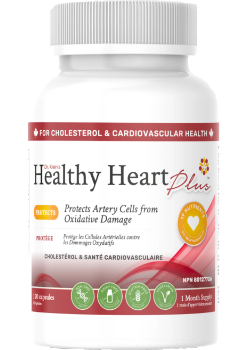
Healthy Heart Plus - 120 V-Caps - my-health-supplements
$74.99
My Health Supplements Healthy Heart Plus - 120 V-Caps - my-health-supplements is a dietary supplement in capsule form, intended for adults as part of a daily wellness routine.
HEALTHY HEART PLUS: A COMPLETE NUTRITIONAL FORMULA FOR YOUR HEART HEALTHY HEART PLUS IS FORMULATED TO SUPPORT healthy arteries, heart and metabolism. Providing 37.5mg of Coenzyme Q10 to lower blood pressure Healthy Heart Plus a comprehensive natural health product scientifically formulated to support healthy cholesterol, cardiovascular health. [VCAPS]
Each capsule contains:
Coenzyme Q10 37.5mg
Nattokinase (glycine max-seed, bacillus subtilis, whole) 25mg
Vitamin K2 (menaquinone 7) 30mcg
Pomegranate (punica granatum, fruit) 10:1 dry extract 125mg
Policosanol (oryza sativa, fruit wax, saccharum, wax) 5mg
L-Lysine 125mg
Vitamin C (ascorbic acid) 100mg
Thiamine (benfotiamine) 12.5mg
Mixed Tocopherols Concentrate (glycine max-seed/zea mays, seed) 6.8mg AT
Vitamin E (d-alpha tocopherol acetate) 33.5mgAT
Vitamin B2 (riboflavin 5'-phosphate) 1.25mg
Niacinamide 12.5mg
Selenium (selenomethionine) 25mcg
Iodine (potassium iodide) 50mcg
Copper (copper (II) bisglycinate) 0.5mg
Manganese (manganese (II) citrate) 1.25mg
Vitamin D3 (cholecalciferol) 6.25mcg
Garlic (allium sativum, bulb) 5:1 dry extract 25mg
Non-Medicinal Ingredients:
Hydroxypropyl Methylcellulose, Magnesium Stearate, Maltodextrin
Important Information:
This product contains ingredients derived from soy. Do not use if you have soy allergy. Stop use if hypersensitivity/allergy occurs.
Dosage
Adults 19+ years, take 2 capsules, 2 times daily with food.
The My Health Supplements brand is brought to you by naturopathic doctor Elie Klein, health educator and author of "Read this if you have a Heart". My Health Supplements focuses primarily on addressing the number one cause of death in western society - cardiovascular disease - and some of it's associated risk factors. My Health Supplements products include Healthy Heart Plus, Nourishing Waves Plus and Rhoziva Edge.
COENZYME Q10
Coenzyme Q10
minimizes damage done to our tissues by fighting off harmful free radicals...
Coenzyme Q10 is one of the ten types of coenzyme Q that are found in nature, but the only one that is used by humans. While it is a very important fat-soluble antioxidant, it's most beneficial for enhancing heart health and circulation. This is because
CoQ10
helps the heart use oxygen and energy effectively, which is crucial; for as a muscle (and obviously the most important one in the body) CoQ10 optimizes the heart's ability to pump blood effectively.
Increased Need For CoQ10
Our bodies actually produce CoQ10, but as we age especially after the age 40 its production begins to decline to such a level that by the time we are in our sixties our CoQ10 levels are only about 10% of what they were when we were in our thirties. Supplementing with a good quality coenzyme Q10 can help to replenish this shortfall and produce significant benefits for our health, at a time in people's lives when they can need it most. Some studies have shown that as many as 75% of people are deficient in coenzyme Q10.
However, aging is not the only reason people can need to take a CoQ10 supplement. Exposure to toxins and pollutants result in severe oxidative stress from free radicals which deplete coenzyme Q10 and create a great need for more. Illnesses that put stress on the immune system will also deplete your coenzyme Q10 resources as it enhances tissue oxygenation.
Types Of CoQ10: Ubiquinone vs. Ubiquinol
There are two main supplemental forms of CoQ10 that you will find in health food stores. The original form, ubiquinone is the industry standard and has been thoroughly studied for years; the latest, and more active form of CoQ10 is ubiquinol, which is the biologically active form used best by the body.
Both ubiquinol and ubiquinone are best taken in a softgel capsule. As a fat soluble nutrient, CoQ10 is best absorbed by the digestive system in an oil base - the oil transports it across cell membranes in the villi of the gut lining giving it superior activity as a result. The softgel capsule delivery format is the only capsule format which permits the oil base.
Most Naturopaths and nutritional MDs will normally recommend standard ubiquinone CoQ10 over the biologically active ubiquinol for their patients taking Q10 as a daily nutritional supplement for overall health enhancement. Ubiquinol they usually reserve for those who need CoQ10 for therapeutic purposes such as angina,
high blood pressure,
high cholesterol,
poor circulation,
immune support, fibromyalgia and others.
How CoQ10 Ubiquinol Can Help
Heart Health If you have any kind of heart health concern or even a family history of it, CoQ10 ubiquinol should be one of the supplements in your daily regimen; the clinical evidence supporting CoQ10's effectiveness in most cardiovascular concerns is vast. Study after study links CoQ10 deficiency to heart attacks, strokes, high blood pressure, nigh cholesterol and more.
High Cholesterol is one of the major risk factors for heart attacks and stroke. The "bad" cholesterol is harmful because it is far more prone to oxidative damage from free radicals than the "good" HDL cholesterol. Once oxidized, LDL cholesterol then damages arteries, causing lesions to form, eventually causing the arterial blockages that can lead to a heart attack or stroke. CoQ10 can prevent this. As a fat soluble antioxidant, CoQ10 ubiquinol/ubiquinone can protect the bad LDL cholesterol from free radicals, as it too is a fat. Water soluble
antioxidants
such as
vitamin C
or
selenium
are unable to do this to the same extent, which makes CoQ10 the ideal nutritional supplement.
High Blood Pressure is sometimes called a "silent killer" as it often goes unnoticed until a major cardiac event. It can occur for a variety of different reasons, including high viscosity of the blood, narrowing of the arteries, and weak heart muscle. CoQ10 can help support healthy blood pressure by addressing each of these concerns. It helps the blood to be less viscous, thus making flow through arteries and veins with less force being exerted on blood vessel walls. By reducing the oxidation of cholesterol, CoQ10 reduces the progress of the narrowing of the arteries. In addition, as the most important muscle in the body, the heart requires Q10 more than any other. The heart is always pumping and needs a steady supply of ubiquinone / ubiquinol to continue its thousands of beats per day. Since CoQ10 is the spark plug for all muscular contractions, it is crucial for the heart to pump blood effectively. Without enough CoQ10, the beating of the heart can be erratic or even causing palpitations, causing blood pressure to rise. The preferred form in treating high blood pressure is the ubiquinol form; it has been clinically proven to reduce high blood pressure quicker and more effectively than standard ubiquinol.
Statins are a common class of medication recommended by conventional doctors to reduce high cholesterol. While they are indeed effective in keeping it low, they have a few nasty side effects, the most common one being muscle pain. People taking this medication experience statin-related muscle pain and fatigue because their CoQ10 is being depleted! These side effects normally will subside with the addition of 100-400mg of Coenzyme Q10 per day.
CoQ10 and Energy
When people take ubiquinone or
ubiquinol CoQ10
they will usually notice a substantial increase in energy, both mental and physical. As you read above, Coenzyme Q10 is needed by every muscle in the body. Muscles use a type of energy called ATP; it's what each individual muscle cell uses to perform the contractions that result in any type of movement, whether its simply the diaphragm making the lungs inhale, or whether it's running a marathon. CoQ10 is needed to make ATP; without enough, the muscles will fatigue sooner and to a greater degree. Many athletes take CoQ10 supplements, especially the ubiquinol form, to enhance their ATP production. Naturopathic doctors often recommend their patients with Fibromyalgia, (who have chronic muscle weakness) take CoQ10 for this same reason.
Anti-Aging
It has anti-aging properties because as an antioxidant it protects the body against environmental pollutants other substances that and lead to aging. The free radical theory of aging is generally accepted as one of the major external causes of the aging process. With CoQ10's ability to stabilize free radicals, it can make a dramatic difference in reducing the DNA damage free radicals cause that can lead to the premature aging of tissues and the individual cells of which they are made. In addition, Coenzyme Q10 helps to improve circulation, which improves the flow of nutrients and oxygen to tissues, thus keeping them healthier longer.
Food Sources
While it is not practical to get therapeutic or supplemental doses of Coenzyme Q10 from or food, it is interesting to note that it is indeed present in our food in small amounts. The highest amount, of course, is contained in beef heart with smaller amounts contained in fish such as sardines and spinach.
CoQ10 and Recommendation Medications
Coenzyme Q10 may decrease the effectiveness of warfarin. The following recommendation medications deplete coenzyme Q10 and supplementation is strongly advisable: hydralazine, thiazide diuretics, cholesterol lowering medication, sulfonylureas, beta blockers, tricyclic antidepressants, chloropromazine, clonidine, methyldopa, diazoxide, biguanides and haloperidol.
Carefully SelectedShips to the U.S.Wellness EssentialsTrusted Brands
Product Details
COENZYME Q10
Coenzyme Q10
minimizes damage done to our tissues by fighting off harmful free radicals...
Coenzyme Q10 is one of the ten types of coenzyme Q that are found in nature, but the only one that is used by humans. While it is a very important fat-soluble antioxidant, it's most beneficial for enhancing heart health and circulation. This is because
CoQ10
helps the heart use oxygen and energy effectively, which is crucial; for as a muscle (and obviously the most important one in the body) CoQ10 optimizes the heart's ability to pump blood effectively.
Increased Need For CoQ10
Our bodies actually produce CoQ10, but as we age especially after the age 40 its production begins to decline to such a level that by the time we are in our sixties our CoQ10 levels are only about 10% of what they were when we were in our thirties. Supplementing with a good quality coenzyme Q10 can help to replenish this shortfall and produce significant benefits for our health, at a time in people's lives when they can need it most. Some studies have shown that as many as 75% of people are deficient in coenzyme Q10.
However, aging is not the only reason people can need to take a CoQ10 supplement. Exposure to toxins and pollutants result in severe oxidative stress from free radicals which deplete coenzyme Q10 and create a great need for more. Illnesses that put stress on the immune system will also deplete your coenzyme Q10 resources as it enhances tissue oxygenation.
Types Of CoQ10: Ubiquinone vs. Ubiquinol
There are two main supplemental forms of CoQ10 that you will find in health food stores. The original form, ubiquinone is the industry standard and has been thoroughly studied for years; the latest, and more active form of CoQ10 is ubiquinol, which is the biologically active form used best by the body.
Both ubiquinol and ubiquinone are best taken in a softgel capsule. As a fat soluble nutrient, CoQ10 is best absorbed by the digestive system in an oil base - the oil transports it across cell membranes in the villi of the gut lining giving it superior activity as a result. The softgel capsule delivery format is the only capsule format which permits the oil base.
Most Naturopaths and nutritional MDs will normally recommend standard ubiquinone CoQ10 over the biologically active ubiquinol for their patients taking Q10 as a daily nutritional supplement for overall health enhancement. Ubiquinol they usually reserve for those who need CoQ10 for therapeutic purposes such as angina,
high blood pressure,
high cholesterol,
poor circulation,
immune support, fibromyalgia and others.
How CoQ10 Ubiquinol Can Help
Heart Health If you have any kind of heart health concern or even a family history of it, CoQ10 ubiquinol should be one of the supplements in your daily regimen; the clinical evidence supporting CoQ10's effectiveness in most cardiovascular concerns is vast. Study after study links CoQ10 deficiency to heart attacks, strokes, high blood pressure, nigh cholesterol and more.
High Cholesterol is one of the major risk factors for heart attacks and stroke. The "bad" cholesterol is harmful because it is far more prone to oxidative damage from free radicals than the "good" HDL cholesterol. Once oxidized, LDL cholesterol then damages arteries, causing lesions to form, eventually causing the arterial blockages that can lead to a heart attack or stroke. CoQ10 can prevent this. As a fat soluble antioxidant, CoQ10 ubiquinol/ubiquinone can protect the bad LDL cholesterol from free radicals, as it too is a fat. Water soluble
antioxidants
such as
vitamin C
or
selenium
are unable to do this to the same extent, which makes CoQ10 the ideal nutritional supplement.
High Blood Pressure is sometimes called a "silent killer" as it often goes unnoticed until a major cardiac event. It can occur for a variety of different reasons, including high viscosity of the blood, narrowing of the arteries, and weak heart muscle. CoQ10 can help support healthy blood pressure by addressing each of these concerns. It helps the blood to be less viscous, thus making flow through arteries and veins with less force being exerted on blood vessel walls. By reducing the oxidation of cholesterol, CoQ10 reduces the progress of the narrowing of the arteries. In addition, as the most important muscle in the body, the heart requires Q10 more than any other. The heart is always pumping and needs a steady supply of ubiquinone / ubiquinol to continue its thousands of beats per day. Since CoQ10 is the spark plug for all muscular contractions, it is crucial for the heart to pump blood effectively. Without enough CoQ10, the beating of the heart can be erratic or even causing palpitations, causing blood pressure to rise. The preferred form in treating high blood pressure is the ubiquinol form; it has been clinically proven to reduce high blood pressure quicker and more effectively than standard ubiquinol.
Statins are a common class of medication recommended by conventional doctors to reduce high cholesterol. While they are indeed effective in keeping it low, they have a few nasty side effects, the most common one being muscle pain. People taking this medication experience statin-related muscle pain and fatigue because their CoQ10 is being depleted! These side effects normally will subside with the addition of 100-400mg of Coenzyme Q10 per day.
CoQ10 and Energy
When people take ubiquinone or
ubiquinol CoQ10
they will usually notice a substantial increase in energy, both mental and physical. As you read above, Coenzyme Q10 is needed by every muscle in the body. Muscles use a type of energy called ATP; it's what each individual muscle cell uses to perform the contractions that result in any type of movement, whether its simply the diaphragm making the lungs inhale, or whether it's running a marathon. CoQ10 is needed to make ATP; without enough, the muscles will fatigue sooner and to a greater degree. Many athletes take CoQ10 supplements, especially the ubiquinol form, to enhance their ATP production. Naturopathic doctors often recommend their patients with Fibromyalgia, (who have chronic muscle weakness) take CoQ10 for this same reason.
Anti-Aging
It has anti-aging properties because as an antioxidant it protects the body against environmental pollutants other substances that and lead to aging. The free radical theory of aging is generally accepted as one of the major external causes of the aging process. With CoQ10's ability to stabilize free radicals, it can make a dramatic difference in reducing the DNA damage free radicals cause that can lead to the premature aging of tissues and the individual cells of which they are made. In addition, Coenzyme Q10 helps to improve circulation, which improves the flow of nutrients and oxygen to tissues, thus keeping them healthier longer.
Food Sources
While it is not practical to get therapeutic or supplemental doses of Coenzyme Q10 from or food, it is interesting to note that it is indeed present in our food in small amounts. The highest amount, of course, is contained in beef heart with smaller amounts contained in fish such as sardines and spinach.
CoQ10 and Recommendation Medications
Coenzyme Q10 may decrease the effectiveness of warfarin. The following recommendation medications deplete coenzyme Q10 and supplementation is strongly advisable: hydralazine, thiazide diuretics, cholesterol lowering medication, sulfonylureas, beta blockers, tricyclic antidepressants, chloropromazine, clonidine, methyldopa, diazoxide, biguanides and haloperidol.
🌿
Daily Wellness
Easy to add to your everyday health routine.
✅
Carefully Selected
Chosen with quality and customer needs in mind.
💊
Simple to Use
Designed for convenient daily supplementation.
🚚
Ships to the U.S.
Fast, reliable shipping to U.S. customers.
Choosing a selection results in a full page refresh.