Vegan. NonGMO, Soy, Corn, Dairy, Gluten, and Wheat Free
Quantity
Couldn't load pickup availability
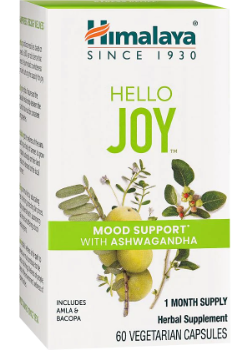
Hello Joy - 60 V-Caps - Himalaya
$53.99
Himalaya Herbal Healthcare Hello Joy - 60 V-Caps - Himalaya is a dietary supplement in capsule form, intended for adults as part of a daily wellness routine.
Say hello to joy and goodbye to blues! Hello Joy by Himalaya Formulas supports mood and emotional wellness when you need it most. No matter what we face in our day, our ability to find joy in the little moments is so important. Himalaya Formulas offers mood support with ashwagandha, amla and bacopa. Combining these proven herbs to help combat stress, nervousness and anxiety in their Hello Joy formula. We could all use an extra boost of happiness throughout our day, and with Hello Joy, yours is within reach again. It’s time to look on the bright side. [VCAPS]
Each capsule contains:
Proprietary herbal blend: amla extract (fruit), ashwagandha extract (root), Convolvulus pluricaulis choisy extract (whole plant), bacopa extract (whole plant), holy basil extract (aerial parts) 300mg
Non-Medicinal Ingredients:Tapioca Starch, Plant Based Cellulose (Capsule).
Important Information:
Consult a healthcare practitioner before use if you are pregnant, nursing, taking medication, have a medical condition, or are planning any medical procedure. Discontinue use and consult a healthcare practitioner if any adverse reactions occur. Keep out of reach of children.
Dosage
Adults: Take 1 capsule twice daily with meals.
Pioneers In Herbal Healthcare Offering Time-Tested Ayurveda
What makes Himalaya Herbals unique is their range of 100% natural and safe products with rare herbs collected from the foothills of the Himalayas. Founded in 1930 by Mr. M. Manal with a clear vision to bring Ayurveda to society in a contemporary form and to unravel the mystery behind the 5,000 year old system of medicine.
DEPRESSION
Depression is a common medical problem that affects millions of people each year. It is a signal that one’s coping mechanisms have been overwhelmed. Depression can be triggered by any perceived negative change in one’s life or a negative reaction to a situation.
Physical causes of depression include nutritional deficiencies, biochemical / hormonal imbalances, substance abuse, hypothyroidism, liver disease and anemia. In these cases correcting the physical problem will result in alleviation of depression.
Symptoms And Types Of Depression
Symptoms of depression vary between individuals. Common signs and symptoms include
insomnia
or hypersomnia, weight-loss or gain, digestive disturbances, headaches, bowel changes, low libido and frequent colds and flu. Severe depression can lead to hallucinations and suicidal ideation. Types of depression include seasonal affective disorder (SAD), a type of depression that affects people in the winter months because of dark and damp weather. Post-partum depression is a type of depression suffered by some women after childbirth. Manic-depressive disorder is characterized by severe depressive episodes alternating with periods of euphoria and exhilaration.
Depression Treatments
Antidepressant medications are the conventional treatment for depression. These medications work by changing neurochemical levels and the way they interact in the brain. There are a variety of medications which affect
serotonin, norepinephrine and dopamine in depression patients and vary in their side effects. Other conventional treatments include counselling in addition to music and colour therapy. Biofeedback has also been studied as a treatment for depression. If you are currently taking antidepressants, please consult a health care professional before proceeding with natural therapies.
Light therapy is helpful for SAD because full spectrum lighting regulates the production of
melatonin.
melatonin
regulates daily patterns and when it is deficient, it can lead to depression. Full spectrum light bulbs and light boxes are available.
Lifestyle changes to help with depression include regular exercise, proper rest and undertaking enjoyable mental activities. Start a hobby that you enjoy. Learn to deal with stress in positive ways. Learn the triggers for your depression and how to avoid them.
Dietary treatment of depression begins by an assessment of nutritional status and toxin levels.
Deficiencies of nutrients can alter the functioning of the nervous system.
A build-up of toxins in the brain can lead to symptoms that mimic depression. Balancing blood sugar is important because fluctuations can cause depression.
Avoid caffeinated drinks, alcohol, tobacco, saturated fats, artificial sweeteners, wheat, refined flour products, refined sugar products and any foods you are sensitive to. Eat a whole foods diet including fresh fruits and vegetables, whole grains (especially oats) and nutritional yeast. Include foods that are high in tryptophan, the precursor to serotonin. They are ocean going fish, eggs, nuts and wheat germ.
Carefully SelectedShips to the U.S.Wellness EssentialsTrusted Brands
Product Details
DEPRESSION
Depression is a common medical problem that affects millions of people each year. It is a signal that one’s coping mechanisms have been overwhelmed. Depression can be triggered by any perceived negative change in one’s life or a negative reaction to a situation.
Physical causes of depression include nutritional deficiencies, biochemical / hormonal imbalances, substance abuse, hypothyroidism, liver disease and anemia. In these cases correcting the physical problem will result in alleviation of depression.
Symptoms And Types Of Depression
Symptoms of depression vary between individuals. Common signs and symptoms include
insomnia
or hypersomnia, weight-loss or gain, digestive disturbances, headaches, bowel changes, low libido and frequent colds and flu. Severe depression can lead to hallucinations and suicidal ideation. Types of depression include seasonal affective disorder (SAD), a type of depression that affects people in the winter months because of dark and damp weather. Post-partum depression is a type of depression suffered by some women after childbirth. Manic-depressive disorder is characterized by severe depressive episodes alternating with periods of euphoria and exhilaration.
Depression Treatments
Antidepressant medications are the conventional treatment for depression. These medications work by changing neurochemical levels and the way they interact in the brain. There are a variety of medications which affect
serotonin, norepinephrine and dopamine in depression patients and vary in their side effects. Other conventional treatments include counselling in addition to music and colour therapy. Biofeedback has also been studied as a treatment for depression. If you are currently taking antidepressants, please consult a health care professional before proceeding with natural therapies.
Light therapy is helpful for SAD because full spectrum lighting regulates the production of
melatonin.
melatonin
regulates daily patterns and when it is deficient, it can lead to depression. Full spectrum light bulbs and light boxes are available.
Lifestyle changes to help with depression include regular exercise, proper rest and undertaking enjoyable mental activities. Start a hobby that you enjoy. Learn to deal with stress in positive ways. Learn the triggers for your depression and how to avoid them.
Dietary treatment of depression begins by an assessment of nutritional status and toxin levels.
Deficiencies of nutrients can alter the functioning of the nervous system.
A build-up of toxins in the brain can lead to symptoms that mimic depression. Balancing blood sugar is important because fluctuations can cause depression.
Avoid caffeinated drinks, alcohol, tobacco, saturated fats, artificial sweeteners, wheat, refined flour products, refined sugar products and any foods you are sensitive to. Eat a whole foods diet including fresh fruits and vegetables, whole grains (especially oats) and nutritional yeast. Include foods that are high in tryptophan, the precursor to serotonin. They are ocean going fish, eggs, nuts and wheat germ.
🌿
Daily Wellness
Easy to add to your everyday health routine.
✅
Carefully Selected
Chosen with quality and customer needs in mind.
💊
Simple to Use
Designed for convenient daily supplementation.
🚚
Ships to the U.S.
Fast, reliable shipping to U.S. customers.
Choosing a selection results in a full page refresh.