

1
/
of
1
Natural Factors
HemoFactors 20mg (Tropical Fruit) - 60 Chew Tabs
HemoFactors 20mg (Tropical Fruit) - 60 Chew Tabs
Regular price
$14.99 USD
Regular price
Sale price
$14.99 USD
Shipping calculated at checkout.
Availability
In stock, and ready to ship
- Superior absorption
- Gentle on the stomach and nonconstipating
- Greattasting chewable tablets
- Very bioavailable
- Sustained release iron
Quantity
Couldn't load pickup availability

HemoFactors 20mg (Tropical Fruit) - 60 Chew Tabs
$14.99
Natural Factors HemoFactors 20mg (Tropical Fruit) - 60 Chew Tabs is a dietary supplement in tablet form, intended for adults as part of a daily wellness routine.
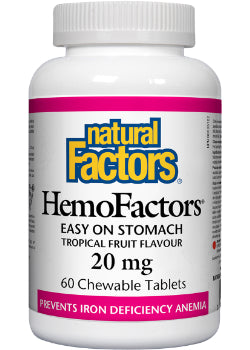
HEMOFACTORS - SUPERIOR IRON SUPPLEMENTATION! Natural Factors HemoFactors is a great-tasting chewable tablet containing Sunactive Fe and provides all the benefits of this unique form of iron. Sunactive Fe ferrous pyrophosphate is micronized (reduced to a very small particle size) and microencapsulated, to allow it to be dispersed and assimilated without gastrointestinal side effects. Iron plays a central role in transporting oxygen from the lungs to the body's tissues, and carries carbon dioxide from the tissues to the lungs. Iron is also vital to energy production.[CHEWABLE TABLETS]
Each chewable tablet contains:
SunActive Iron (ferric pyrophosphate) 20mg
Non-Medicinal Ingredients:
Xylitol, microcrystalline cellulose, natural tropical fruit flavour, citric acid, stearic acid, vegetable grade magnesium stearate (lubricant), natural peach flavour, Stevia rebaudiana leaf
Important Information:
See additional information below for cautions/safety.
SunActive Iron (ferric pyrophosphate) 20mg
Non-Medicinal Ingredients:
Xylitol, microcrystalline cellulose, natural tropical fruit flavour, citric acid, stearic acid, vegetable grade magnesium stearate (lubricant), natural peach flavour, Stevia rebaudiana leaf
Important Information:
See additional information below for cautions/safety.
Dosage
Chew 1 tablet daily with food or as directed by a health care practitioner. Take a few hours before or after taking other medications. Keep out of the reach of children.
Chew 1 tablet daily with food or as directed by a health care practitioner. Take a few hours before or after taking other medications. Keep out of the reach of children.
Trusted Wellness For 60 Years,
Based in British Columbia, Natural Factors Canada is one of the largest manufacturers of nutritional products in North America.
Natural Factor Supplements
origins reach back to the 1950s, & right from day one, they've been fully committed to making products right. Today, Natural Factors vitamins brings you tested and true products like
Acidophilus and Bifidus,
Ultimate Multi Probiotics,
RX Omega-3, Theracurmin,
PGX Daily,
Whey Factors Protein
and
Oil of Oregano
ca.
Based in British Columbia, Natural Factors Canada is one of the largest manufacturers of nutritional products in North America.
Natural Factor Supplements
origins reach back to the 1950s, & right from day one, they've been fully committed to making products right. Today, Natural Factors vitamins brings you tested and true products like
Acidophilus and Bifidus,
Ultimate Multi Probiotics,
RX Omega-3, Theracurmin,
PGX Daily,
Whey Factors Protein
and
Oil of Oregano
ca.
IRON THE MOST COMMON NUTRIENT DEFICIENCY
Iron is the most common nutrient deficiency in North America. The groups at highest risk are infants under two years of age, teenage girls, pregnant women, the elderly, and athletes. Studies have found evidence of iron deficiency in as many as 30 50% of people in these groups, and about 10% of healthy, menstruating women in the United States are iron deficient. During pregnancy, the number is even higher (Fairbanks, et al). Iron deficiency and anemia are not the same, however a deficiency can lead to an anemic condition, whereby the blood is deficient in red blood cells or the
protein
hemoglobin. Approximately 4 5% of North Americans are actually anemic.
Iron is critical to human life. It plays a central role in carrying oxygen to our cells and in cell metabolism. However, it can be difficult to get sufficient iron from dietary sources so supplementa- tion is often required. Natural Factors HemoFactors provides a non-irritating, high-absorption form of iron that suits the needs
of women and men of all ages.
THE CAUSES OF IRON DEFICIENCY
Iron deficiency has many causes, including an increased iron requirement, inadequate dietary intake, diminished iron absorp- tion or utilization, blood loss, or a combination of these factors (Fairbanks, et al). Increased requirements for iron occur during the growth spurts of infancy and adolescence, during pregnancy and lactation, and during athletic training. Inadequate intake of iron is quite common. Iron is not easily absorbed from most foods, except meat, which contains the most bioavailable form of iron.
Decreased absorption of iron is often due to a lack of hydrochloric acid secretion in the stomach. Other causes of decreased absorp- tion include chronic diarrhea, malabsorption, the surgical removal of part of the stomach, antacid use, and consumption of foods, such as tea, that block iron absorption (Fairbanks, et al).
Blood loss due to menstruation is the most common cause of iron deficiency in women of childbearing age. Other common causes of blood loss include bleeding from peptic ulcers,
hemorrhoids, and donating blood (Fairbanks, et al). Athletes also lose iron during intensive training.
HOW DOES IRON WORK IN THE BODY?
Iron is essential for the production of hemoglobin. Hemoglobin is the
protein
in red blood cells that carries oxygen from the lungs to the body tissues, and carries waste carbon dioxide from the tissues to the lungs. A deficiency in iron causes a decrease in the amount of hemoglobin in the red blood cells, which leads to insufficient oxygen reaching the cells to maintain health and vitality.
Iron is also essential in several key
enzymes
that release energy. Iron ions serve to transport electrons within cells, making and breaking chemical bonds in biochemical reactions. These impor- tant cellular operations would not occur without iron.
CONSEQUENCES OF IRON DEFICIENCY
Anemia is the most common clinical sign of iron deficiency. It develops during the final stage, as a result of deficient erythropoi- esis (the process by which red blood cells are produced). It often develops without warning and the symptoms may be mistaken for something else or overlooked.
Chronic exhaustion and low energy are the most common symp- toms of iron deficiency. A shortage of iron in the blood means that our cells are robbed of the oxygen they need to burn the body's fuel. Furthermore, it impairs the delivery of oxygen to the tissues and the removal of carbon dioxide. It also impairs the function of iron-containing enzymes in cellular energy production and metabolism. These cumulative effects drain the body of energy.
Even marginal iron deficiency can significantly impair immune function. In iron-deficient individuals, it is common to find increased rates of infection, lymphatic tissue shrinkage, and defec- tive white blood cell function (Agarwal). Iron deficiency may be a factor in chronic infections and frequent colds.
Virtually any nutrient deficiency can result in impaired brain function, especially in children. Since iron deficiency is so common, it is the most important nutritional cause of learning disability. Research indicates iron deficiency is associated with marked decreases in attention span, persistence, and voluntary activity. Fortunately, iron supplementation can restore normal mental function (Fairbanks, et al). Additionally, iron supplementation can reduce the risk of recurring ear infections in children since it strengthens the immune system.
Menstrual blood loss is well recognized as a major cause of iron deficiency anemia in fertile women. However, chronic iron defi- ciency can also be a cause of excessive menstrual blood loss, a condition known as menorrhagia. Iron supplementation often produces a dramatic decrease in menstrual blood loss. In one double-blind, placebo-controlled study, 75% of women on iron supplementation had significant reduction of menorrhagia com- pared with only 32.5% for the placebo group (Arvidsson, et al).
Additional signs and symptoms of iron deficiency include: pale skin, especially under eyes, nails and palms of the hands; brittle hair and nails; cold hands and feet; heart palpitations and rapid pulse; lack of focus and concentration; poor sleep; swelling or sore- ness of the tongue and canker sores; headaches; and restless leg syndrome.
GROUPS AT HIGH RISK
In general, women are at greater risk of iron deficiency anemia than men. That is because women lose blood and with it, iron each month during menstruation. The rates of iron deficiency amongst this group are astonishing almost 40% between the ages of 12 19. With more young woman suffering from heavy menstrual cycles, iron deficiency anemia has increased dramatically.
Iron deficiency is extremely common in pregnancy as iron requirements rise drama- tically due to iron contributions to the fetus, placenta, and umbilical cord, and an increase in red cell mass in the mother (Fairbanks,
et al). Iron loss in the urine, sweat and feces also increases. Therefore, the recommended daily intake of iron during pregnancy is 60 mg. Since this typically cannot be achieved through diet, supplementation is required. Typically the mother will also lose 150 to 300 mg of iron due to blood loss during delivery. But the need for additional iron is not over once the baby is delivered. Lacta- tion requires additional iron supplies. It is important for women to continue taking iron supplements throughout their pregnancy and nursing period.
Children under two years of age and adoles- cents also have high iron requirements to support their rapid growth. Usually their diet provides inadequate iron and supple- mentation is required.
Not eating enough iron-rich foods increases the risk of developing iron deficiency ane- mia as well. Whether it's vegans and vege- tarians, highly processed foods or calorie- reduced diets, inadequate iron intake puts people at risk. The elderly are also at risk due to reduced food intake and decreased stomach acid production, which impairs iron absorption.
A growing body of evidence indicates athletic training causes iron loss. This is especially prevalent in endurance sports. A recent study examined the effects on iron status of an intense six week training pro- gram for cyclists. Dietary iron intake re- mained consistent, but after three weeks the hemoglobin and red blood cell counts were depressed. Iron levels remained depressed even during the two week recovery period after training (Wilkinson, et al).
SUNACTIVE NON-IRRITATING, HIGH-ABSORPTION IRON
Ferrous sulfate is the most popular form of iron supplement. It is best absorbed when taken on an empty stomach, but doing so often causes nausea, gastrointestinal irritation, and constipation. So it is usually taken with food, which greatly reduces its absorption. This is the problem with many forms of iron.
SunActive iron is a special form of ferrous pyrophosphate that: is free from gastrointes- tinal side effects, due to its resistance to gastric juices; provides a sustained release of iron for up to 12 hours; is extremely stable; and has no flavour. The insoluble ferrous pyrophosphate is micronized to a tiny particle size, then microencapsulated to allow dispersal and assimilation.
SunActive iron provides non-irritating iron fortification with superior absorption. It also has high relative bioavailability, especially if taken on an empty stomach. In a stable isotope bioavailability study with adult women using infant cereal and yogurt drink, SunActive iron was found to have a bioavailability equivalent to ferrous sulfate (Fidler, et al).
THE BENEFITS OF IRON
Research shows that supplementation can restore normal levels of iron in the blood and tissues, alleviating the adverse effects of iron deficiency (Agarwal). Supplementation can restore the normal functioning of: enzymes involved in energy production and metabolism; cognitive processes; and the immune system; as well as reduce excessive menstrual blood loss (Arvidsson, et al, Fairbanks, et al, Zhu, et al).
Several researchers have clearly demonstrat- ed that even a slight iron deficiency leads to a reduction in physical work capacity and productivity (Agarwal, et al, Arvidsson, et al, Fairbanks, et al). Nutrition surveys done in the U.S. have indicated that iron deficiency represents a major impairment of health and work capacity, and results in economic loss for the individual and the country. Supplementation with iron has shown rapid improvements in work capacity in individuals who are not anemic but who are shown to be iron-deficient using the
serum
ferritin test. The iron-dependent enzymes involved in energy production and metabolism are impaired long before anemia occurs (Zhu, et al).
One study investigated women athletes with mild iron depletion. Their ability to transport and utilize oxygen was signifi- cantly impaired compared to the control group. The study also found that iron supplementation improved serum ferritin levels and athletic performance, without any measurable change in blood hemo- globin levels (Fidler, et al).
NATURAL FACTORS HEMOFACTORS
Iron plays a central role in transporting oxygen from the lungs to the body's tissues, and carries carbon dioxide from the tissues to the lungs. Iron is also vital to energy production. Our dietary intake of iron does not always satisfy the body's needs and often requires supplementation. The best form of supplemental iron appears to be ferrous pyrophosphate. Sunactive Fe ferrous pyrophosphate is micronized (reduced to a very small particle size) and microencapsulated, to allow it to be dispersed and assimilated without gastrointestinal side effects. Natural Factors HemoFactors is a great-tasting chewable tablet containing Sunactive Fe and provides all the benefits of this unique form of iron.
PUMPING IRON
By Dr. Kate Rhaume, B.Sc., N.D.
Iron deficiency is globally the most common nutrient deficiency. Iron plays a central role in the hemoglobin molecule of our red blood cells, where it functions to transport oxygen from the lungs to the body's tissues, and carries carbon dioxide from the tissues to the lungs. Iron is also involved in the functioning of several key enzymes that are vital to energy production.
Often our dietary intake of iron does not adequately satisfy the body's needs. This is particularly common in menstruating women, as well as women who are pregnant or lactating. Vegetarians have an increased risk of iron deficiency since their dietary iron intake is often low. The absorption of iron depends on adequate levels of stomach acid so those who frequently use antacid medications may also be at risk for iron deficiency. In addition, because stomach acid levels decline with age, the elderly are at greater risk.
Anemia is a condition in which the blood is deficient in red blood cells or hemoglobin, however it is possible to be deficient in iron without having anemia. Iron-dependent enzymes involved in energy production are the first to be affected by low iron levels. A blood test that measures serum ferritin, the iron storage protein, is the best way to determine iron deficiency.
Heme iron, most commonly found in red meat (especially liver), is the best dietary source of iron and has an absorption rate of up to 30%. Good nonmeat sources of iron include beans, molasses, dried fruits, whole grains and green leafy vegetables. The absorption rate for non-heme (vegetable) sources of iron is approximately 5%, but can be enhanced by
vitamin C.
Achieving optimum iron levels often requires supplementation. Ferrous sulfate is the most common iron supplement, but often causes constipation. The best form of supplemental iron appears to be ferrous pyrophosphate. Sunactive Fe ferrous pyrophosphate is micronized (reduced to a very small particle size) and microencapsulated, to allow it to be dispersed and assimilated. Sunactive Fe is extremely safe, stable, tasteless and has no gastrointestinal side effects. Natural Factors HemoFactors is a great-tasting chewable tablet containing Sunactive Fe and provides all the benefits of this unique form of iron.
The most bioavailable form of iron
Superior absorption
Gentle on the stomach and non-constipating
Great-tasting chewable tablets
Ideal for pregnant women, women of childbearing age and anyone with iron-deficiency anemia
Delightful tropical fruit flavour
Very bioavailable
Sustained release iron
Mild on the gastrointestinal tract and very safe
DOSAGE
Chew one tablet daily with food or as directed by a health care practitioner. Take a few hours before or after taking other medications.
vitamin C
enhances iron absorption but other minerals, particularly
calcium,
magnesium, and
zinc, can interfere with iron absorption, so it is preferable to take iron away from these minerals. According to Health Canada's iron monograph, iron supplements should be taken with meals; however, research conduct- ed by Taiyo International showed that ferric pyrophosphate, the SunActive form of iron, has high relative bioavailability on an empty stomach, which would indicate that HemoFac- tors can, and perhaps should, be taken on an empty stomach.
SAFETY
SunActive iron has GRAS (Generally Recognized as Safe) status. Toxicity experiments on healthy rats found that SunActive iron is safe under the conditions of intended use as a dietary ingredient. There have been no reported harmful effects in animal or human studies employing SunActive iron (Juneja, et al).
Pregnancy and lactation:
Suitable for pregnant or lactating women.
Children:
Although iron supplementation is considered suitable for children, it is prefer- able that children taking HemoFactors do so under the supervision of a health care practitioner. Keep all iron supplements out of the reach of children. Acute iron poisoning in children can result in serious consequences.
Drug interactions:
Iron may interact with many medications, therefore it is best to take iron supplements a few hours before or after taking medications.
Contraindications:
According to the Health Canada iron monograph, a laboratory diagnosis of anemia is recommended before supplementing with iron. However, since well-documented iron deficiency statistics confirm that iron is the most common nutrient deficiency in North America, moderate iron supplementation for those who are not clinically anemic is probably advisable.
Iron is critical for human life. Often our dietary intake of iron does not adequately satisfy the body's needs, and iron supple- mentation is needed. Natural Factors Hemo- Factors with SunActive iron is a great- tasting chewable tablet that provides all the benefits of this unique form of iron.
Iron is the most common nutrient deficiency in North America. The groups at highest risk are infants under two years of age, teenage girls, pregnant women, the elderly, and athletes. Studies have found evidence of iron deficiency in as many as 30 50% of people in these groups, and about 10% of healthy, menstruating women in the United States are iron deficient. During pregnancy, the number is even higher (Fairbanks, et al). Iron deficiency and anemia are not the same, however a deficiency can lead to an anemic condition, whereby the blood is deficient in red blood cells or the
protein
hemoglobin. Approximately 4 5% of North Americans are actually anemic.
Iron is critical to human life. It plays a central role in carrying oxygen to our cells and in cell metabolism. However, it can be difficult to get sufficient iron from dietary sources so supplementa- tion is often required. Natural Factors HemoFactors provides a non-irritating, high-absorption form of iron that suits the needs
of women and men of all ages.
THE CAUSES OF IRON DEFICIENCY
Iron deficiency has many causes, including an increased iron requirement, inadequate dietary intake, diminished iron absorp- tion or utilization, blood loss, or a combination of these factors (Fairbanks, et al). Increased requirements for iron occur during the growth spurts of infancy and adolescence, during pregnancy and lactation, and during athletic training. Inadequate intake of iron is quite common. Iron is not easily absorbed from most foods, except meat, which contains the most bioavailable form of iron.
Decreased absorption of iron is often due to a lack of hydrochloric acid secretion in the stomach. Other causes of decreased absorp- tion include chronic diarrhea, malabsorption, the surgical removal of part of the stomach, antacid use, and consumption of foods, such as tea, that block iron absorption (Fairbanks, et al).
Blood loss due to menstruation is the most common cause of iron deficiency in women of childbearing age. Other common causes of blood loss include bleeding from peptic ulcers,
hemorrhoids, and donating blood (Fairbanks, et al). Athletes also lose iron during intensive training.
HOW DOES IRON WORK IN THE BODY?
Iron is essential for the production of hemoglobin. Hemoglobin is the
protein
in red blood cells that carries oxygen from the lungs to the body tissues, and carries waste carbon dioxide from the tissues to the lungs. A deficiency in iron causes a decrease in the amount of hemoglobin in the red blood cells, which leads to insufficient oxygen reaching the cells to maintain health and vitality.
Iron is also essential in several key
enzymes
that release energy. Iron ions serve to transport electrons within cells, making and breaking chemical bonds in biochemical reactions. These impor- tant cellular operations would not occur without iron.
CONSEQUENCES OF IRON DEFICIENCY
Anemia is the most common clinical sign of iron deficiency. It develops during the final stage, as a result of deficient erythropoi- esis (the process by which red blood cells are produced). It often develops without warning and the symptoms may be mistaken for something else or overlooked.
Chronic exhaustion and low energy are the most common symp- toms of iron deficiency. A shortage of iron in the blood means that our cells are robbed of the oxygen they need to burn the body's fuel. Furthermore, it impairs the delivery of oxygen to the tissues and the removal of carbon dioxide. It also impairs the function of iron-containing enzymes in cellular energy production and metabolism. These cumulative effects drain the body of energy.
Even marginal iron deficiency can significantly impair immune function. In iron-deficient individuals, it is common to find increased rates of infection, lymphatic tissue shrinkage, and defec- tive white blood cell function (Agarwal). Iron deficiency may be a factor in chronic infections and frequent colds.
Virtually any nutrient deficiency can result in impaired brain function, especially in children. Since iron deficiency is so common, it is the most important nutritional cause of learning disability. Research indicates iron deficiency is associated with marked decreases in attention span, persistence, and voluntary activity. Fortunately, iron supplementation can restore normal mental function (Fairbanks, et al). Additionally, iron supplementation can reduce the risk of recurring ear infections in children since it strengthens the immune system.
Menstrual blood loss is well recognized as a major cause of iron deficiency anemia in fertile women. However, chronic iron defi- ciency can also be a cause of excessive menstrual blood loss, a condition known as menorrhagia. Iron supplementation often produces a dramatic decrease in menstrual blood loss. In one double-blind, placebo-controlled study, 75% of women on iron supplementation had significant reduction of menorrhagia com- pared with only 32.5% for the placebo group (Arvidsson, et al).
Additional signs and symptoms of iron deficiency include: pale skin, especially under eyes, nails and palms of the hands; brittle hair and nails; cold hands and feet; heart palpitations and rapid pulse; lack of focus and concentration; poor sleep; swelling or sore- ness of the tongue and canker sores; headaches; and restless leg syndrome.
GROUPS AT HIGH RISK
In general, women are at greater risk of iron deficiency anemia than men. That is because women lose blood and with it, iron each month during menstruation. The rates of iron deficiency amongst this group are astonishing almost 40% between the ages of 12 19. With more young woman suffering from heavy menstrual cycles, iron deficiency anemia has increased dramatically.
Iron deficiency is extremely common in pregnancy as iron requirements rise drama- tically due to iron contributions to the fetus, placenta, and umbilical cord, and an increase in red cell mass in the mother (Fairbanks,
et al). Iron loss in the urine, sweat and feces also increases. Therefore, the recommended daily intake of iron during pregnancy is 60 mg. Since this typically cannot be achieved through diet, supplementation is required. Typically the mother will also lose 150 to 300 mg of iron due to blood loss during delivery. But the need for additional iron is not over once the baby is delivered. Lacta- tion requires additional iron supplies. It is important for women to continue taking iron supplements throughout their pregnancy and nursing period.
Children under two years of age and adoles- cents also have high iron requirements to support their rapid growth. Usually their diet provides inadequate iron and supple- mentation is required.
Not eating enough iron-rich foods increases the risk of developing iron deficiency ane- mia as well. Whether it's vegans and vege- tarians, highly processed foods or calorie- reduced diets, inadequate iron intake puts people at risk. The elderly are also at risk due to reduced food intake and decreased stomach acid production, which impairs iron absorption.
A growing body of evidence indicates athletic training causes iron loss. This is especially prevalent in endurance sports. A recent study examined the effects on iron status of an intense six week training pro- gram for cyclists. Dietary iron intake re- mained consistent, but after three weeks the hemoglobin and red blood cell counts were depressed. Iron levels remained depressed even during the two week recovery period after training (Wilkinson, et al).
SUNACTIVE NON-IRRITATING, HIGH-ABSORPTION IRON
Ferrous sulfate is the most popular form of iron supplement. It is best absorbed when taken on an empty stomach, but doing so often causes nausea, gastrointestinal irritation, and constipation. So it is usually taken with food, which greatly reduces its absorption. This is the problem with many forms of iron.
SunActive iron is a special form of ferrous pyrophosphate that: is free from gastrointes- tinal side effects, due to its resistance to gastric juices; provides a sustained release of iron for up to 12 hours; is extremely stable; and has no flavour. The insoluble ferrous pyrophosphate is micronized to a tiny particle size, then microencapsulated to allow dispersal and assimilation.
SunActive iron provides non-irritating iron fortification with superior absorption. It also has high relative bioavailability, especially if taken on an empty stomach. In a stable isotope bioavailability study with adult women using infant cereal and yogurt drink, SunActive iron was found to have a bioavailability equivalent to ferrous sulfate (Fidler, et al).
THE BENEFITS OF IRON
Research shows that supplementation can restore normal levels of iron in the blood and tissues, alleviating the adverse effects of iron deficiency (Agarwal). Supplementation can restore the normal functioning of: enzymes involved in energy production and metabolism; cognitive processes; and the immune system; as well as reduce excessive menstrual blood loss (Arvidsson, et al, Fairbanks, et al, Zhu, et al).
Several researchers have clearly demonstrat- ed that even a slight iron deficiency leads to a reduction in physical work capacity and productivity (Agarwal, et al, Arvidsson, et al, Fairbanks, et al). Nutrition surveys done in the U.S. have indicated that iron deficiency represents a major impairment of health and work capacity, and results in economic loss for the individual and the country. Supplementation with iron has shown rapid improvements in work capacity in individuals who are not anemic but who are shown to be iron-deficient using the
serum
ferritin test. The iron-dependent enzymes involved in energy production and metabolism are impaired long before anemia occurs (Zhu, et al).
One study investigated women athletes with mild iron depletion. Their ability to transport and utilize oxygen was signifi- cantly impaired compared to the control group. The study also found that iron supplementation improved serum ferritin levels and athletic performance, without any measurable change in blood hemo- globin levels (Fidler, et al).
NATURAL FACTORS HEMOFACTORS
Iron plays a central role in transporting oxygen from the lungs to the body's tissues, and carries carbon dioxide from the tissues to the lungs. Iron is also vital to energy production. Our dietary intake of iron does not always satisfy the body's needs and often requires supplementation. The best form of supplemental iron appears to be ferrous pyrophosphate. Sunactive Fe ferrous pyrophosphate is micronized (reduced to a very small particle size) and microencapsulated, to allow it to be dispersed and assimilated without gastrointestinal side effects. Natural Factors HemoFactors is a great-tasting chewable tablet containing Sunactive Fe and provides all the benefits of this unique form of iron.
PUMPING IRON
By Dr. Kate Rhaume, B.Sc., N.D.
Iron deficiency is globally the most common nutrient deficiency. Iron plays a central role in the hemoglobin molecule of our red blood cells, where it functions to transport oxygen from the lungs to the body's tissues, and carries carbon dioxide from the tissues to the lungs. Iron is also involved in the functioning of several key enzymes that are vital to energy production.
Often our dietary intake of iron does not adequately satisfy the body's needs. This is particularly common in menstruating women, as well as women who are pregnant or lactating. Vegetarians have an increased risk of iron deficiency since their dietary iron intake is often low. The absorption of iron depends on adequate levels of stomach acid so those who frequently use antacid medications may also be at risk for iron deficiency. In addition, because stomach acid levels decline with age, the elderly are at greater risk.
Anemia is a condition in which the blood is deficient in red blood cells or hemoglobin, however it is possible to be deficient in iron without having anemia. Iron-dependent enzymes involved in energy production are the first to be affected by low iron levels. A blood test that measures serum ferritin, the iron storage protein, is the best way to determine iron deficiency.
Heme iron, most commonly found in red meat (especially liver), is the best dietary source of iron and has an absorption rate of up to 30%. Good nonmeat sources of iron include beans, molasses, dried fruits, whole grains and green leafy vegetables. The absorption rate for non-heme (vegetable) sources of iron is approximately 5%, but can be enhanced by
vitamin C.
Achieving optimum iron levels often requires supplementation. Ferrous sulfate is the most common iron supplement, but often causes constipation. The best form of supplemental iron appears to be ferrous pyrophosphate. Sunactive Fe ferrous pyrophosphate is micronized (reduced to a very small particle size) and microencapsulated, to allow it to be dispersed and assimilated. Sunactive Fe is extremely safe, stable, tasteless and has no gastrointestinal side effects. Natural Factors HemoFactors is a great-tasting chewable tablet containing Sunactive Fe and provides all the benefits of this unique form of iron.
The most bioavailable form of iron
Superior absorption
Gentle on the stomach and non-constipating
Great-tasting chewable tablets
Ideal for pregnant women, women of childbearing age and anyone with iron-deficiency anemia
Delightful tropical fruit flavour
Very bioavailable
Sustained release iron
Mild on the gastrointestinal tract and very safe
DOSAGE
Chew one tablet daily with food or as directed by a health care practitioner. Take a few hours before or after taking other medications.
vitamin C
enhances iron absorption but other minerals, particularly
calcium,
magnesium, and
zinc, can interfere with iron absorption, so it is preferable to take iron away from these minerals. According to Health Canada's iron monograph, iron supplements should be taken with meals; however, research conduct- ed by Taiyo International showed that ferric pyrophosphate, the SunActive form of iron, has high relative bioavailability on an empty stomach, which would indicate that HemoFac- tors can, and perhaps should, be taken on an empty stomach.
SAFETY
SunActive iron has GRAS (Generally Recognized as Safe) status. Toxicity experiments on healthy rats found that SunActive iron is safe under the conditions of intended use as a dietary ingredient. There have been no reported harmful effects in animal or human studies employing SunActive iron (Juneja, et al).
Pregnancy and lactation:
Suitable for pregnant or lactating women.
Children:
Although iron supplementation is considered suitable for children, it is prefer- able that children taking HemoFactors do so under the supervision of a health care practitioner. Keep all iron supplements out of the reach of children. Acute iron poisoning in children can result in serious consequences.
Drug interactions:
Iron may interact with many medications, therefore it is best to take iron supplements a few hours before or after taking medications.
Contraindications:
According to the Health Canada iron monograph, a laboratory diagnosis of anemia is recommended before supplementing with iron. However, since well-documented iron deficiency statistics confirm that iron is the most common nutrient deficiency in North America, moderate iron supplementation for those who are not clinically anemic is probably advisable.
Iron is critical for human life. Often our dietary intake of iron does not adequately satisfy the body's needs, and iron supple- mentation is needed. Natural Factors Hemo- Factors with SunActive iron is a great- tasting chewable tablet that provides all the benefits of this unique form of iron.
Carefully Selected
Ships to the U.S.
Wellness Essentials
Trusted Brands
Product Details
IRON THE MOST COMMON NUTRIENT DEFICIENCYIron is the most common nutrient deficiency in North America. The groups at highest risk are infants under two years of age, teenage girls, pregnant women, the elderly, and athletes. Studies have found evidence of iron deficiency in as many as 30 50% of people in these groups, and about 10% of healthy, menstruating women in the United States are iron deficient. During pregnancy, the number is even higher (Fairbanks, et al). Iron deficiency and anemia are not the same, however a deficiency can lead to an anemic condition, whereby the blood is deficient in red blood cells or the
protein
hemoglobin. Approximately 4 5% of North Americans are actually anemic.
Iron is critical to human life. It plays a central role in carrying oxygen to our cells and in cell metabolism. However, it can be difficult to get sufficient iron from dietary sources so supplementa- tion is often required. Natural Factors HemoFactors provides a non-irritating, high-absorption form of iron that suits the needs
of women and men of all ages.
THE CAUSES OF IRON DEFICIENCY
Iron deficiency has many causes, including an increased iron requirement, inadequate dietary intake, diminished iron absorp- tion or utilization, blood loss, or a combination of these factors (Fairbanks, et al). Increased requirements for iron occur during the growth spurts of infancy and adolescence, during pregnancy and lactation, and during athletic training. Inadequate intake of iron is quite common. Iron is not easily absorbed from most foods, except meat, which contains the most bioavailable form of iron.
Decreased absorption of iron is often due to a lack of hydrochloric acid secretion in the stomach. Other causes of decreased absorp- tion include chronic diarrhea, malabsorption, the surgical removal of part of the stomach, antacid use, and consumption of foods, such as tea, that block iron absorption (Fairbanks, et al).
Blood loss due to menstruation is the most common cause of iron deficiency in women of childbearing age. Other common causes of blood loss include bleeding from peptic ulcers,
hemorrhoids, and donating blood (Fairbanks, et al). Athletes also lose iron during intensive training.
HOW DOES IRON WORK IN THE BODY?
Iron is essential for the production of hemoglobin. Hemoglobin is the
protein
in red blood cells that carries oxygen from the lungs to the body tissues, and carries waste carbon dioxide from the tissues to the lungs. A deficiency in iron causes a decrease in the amount of hemoglobin in the red blood cells, which leads to insufficient oxygen reaching the cells to maintain health and vitality.
Iron is also essential in several key
enzymes
that release energy. Iron ions serve to transport electrons within cells, making and breaking chemical bonds in biochemical reactions. These impor- tant cellular operations would not occur without iron.
CONSEQUENCES OF IRON DEFICIENCY
Anemia is the most common clinical sign of iron deficiency. It develops during the final stage, as a result of deficient erythropoi- esis (the process by which red blood cells are produced). It often develops without warning and the symptoms may be mistaken for something else or overlooked.
Chronic exhaustion and low energy are the most common symp- toms of iron deficiency. A shortage of iron in the blood means that our cells are robbed of the oxygen they need to burn the body's fuel. Furthermore, it impairs the delivery of oxygen to the tissues and the removal of carbon dioxide. It also impairs the function of iron-containing enzymes in cellular energy production and metabolism. These cumulative effects drain the body of energy.
Even marginal iron deficiency can significantly impair immune function. In iron-deficient individuals, it is common to find increased rates of infection, lymphatic tissue shrinkage, and defec- tive white blood cell function (Agarwal). Iron deficiency may be a factor in chronic infections and frequent colds.
Virtually any nutrient deficiency can result in impaired brain function, especially in children. Since iron deficiency is so common, it is the most important nutritional cause of learning disability. Research indicates iron deficiency is associated with marked decreases in attention span, persistence, and voluntary activity. Fortunately, iron supplementation can restore normal mental function (Fairbanks, et al). Additionally, iron supplementation can reduce the risk of recurring ear infections in children since it strengthens the immune system.
Menstrual blood loss is well recognized as a major cause of iron deficiency anemia in fertile women. However, chronic iron defi- ciency can also be a cause of excessive menstrual blood loss, a condition known as menorrhagia. Iron supplementation often produces a dramatic decrease in menstrual blood loss. In one double-blind, placebo-controlled study, 75% of women on iron supplementation had significant reduction of menorrhagia com- pared with only 32.5% for the placebo group (Arvidsson, et al).
Additional signs and symptoms of iron deficiency include: pale skin, especially under eyes, nails and palms of the hands; brittle hair and nails; cold hands and feet; heart palpitations and rapid pulse; lack of focus and concentration; poor sleep; swelling or sore- ness of the tongue and canker sores; headaches; and restless leg syndrome.
GROUPS AT HIGH RISK
In general, women are at greater risk of iron deficiency anemia than men. That is because women lose blood and with it, iron each month during menstruation. The rates of iron deficiency amongst this group are astonishing almost 40% between the ages of 12 19. With more young woman suffering from heavy menstrual cycles, iron deficiency anemia has increased dramatically.
Iron deficiency is extremely common in pregnancy as iron requirements rise drama- tically due to iron contributions to the fetus, placenta, and umbilical cord, and an increase in red cell mass in the mother (Fairbanks,
et al). Iron loss in the urine, sweat and feces also increases. Therefore, the recommended daily intake of iron during pregnancy is 60 mg. Since this typically cannot be achieved through diet, supplementation is required. Typically the mother will also lose 150 to 300 mg of iron due to blood loss during delivery. But the need for additional iron is not over once the baby is delivered. Lacta- tion requires additional iron supplies. It is important for women to continue taking iron supplements throughout their pregnancy and nursing period.
Children under two years of age and adoles- cents also have high iron requirements to support their rapid growth. Usually their diet provides inadequate iron and supple- mentation is required.
Not eating enough iron-rich foods increases the risk of developing iron deficiency ane- mia as well. Whether it's vegans and vege- tarians, highly processed foods or calorie- reduced diets, inadequate iron intake puts people at risk. The elderly are also at risk due to reduced food intake and decreased stomach acid production, which impairs iron absorption.
A growing body of evidence indicates athletic training causes iron loss. This is especially prevalent in endurance sports. A recent study examined the effects on iron status of an intense six week training pro- gram for cyclists. Dietary iron intake re- mained consistent, but after three weeks the hemoglobin and red blood cell counts were depressed. Iron levels remained depressed even during the two week recovery period after training (Wilkinson, et al).
SUNACTIVE NON-IRRITATING, HIGH-ABSORPTION IRON
Ferrous sulfate is the most popular form of iron supplement. It is best absorbed when taken on an empty stomach, but doing so often causes nausea, gastrointestinal irritation, and constipation. So it is usually taken with food, which greatly reduces its absorption. This is the problem with many forms of iron.
SunActive iron is a special form of ferrous pyrophosphate that: is free from gastrointes- tinal side effects, due to its resistance to gastric juices; provides a sustained release of iron for up to 12 hours; is extremely stable; and has no flavour. The insoluble ferrous pyrophosphate is micronized to a tiny particle size, then microencapsulated to allow dispersal and assimilation.
SunActive iron provides non-irritating iron fortification with superior absorption. It also has high relative bioavailability, especially if taken on an empty stomach. In a stable isotope bioavailability study with adult women using infant cereal and yogurt drink, SunActive iron was found to have a bioavailability equivalent to ferrous sulfate (Fidler, et al).
THE BENEFITS OF IRON
Research shows that supplementation can restore normal levels of iron in the blood and tissues, alleviating the adverse effects of iron deficiency (Agarwal). Supplementation can restore the normal functioning of: enzymes involved in energy production and metabolism; cognitive processes; and the immune system; as well as reduce excessive menstrual blood loss (Arvidsson, et al, Fairbanks, et al, Zhu, et al).
Several researchers have clearly demonstrat- ed that even a slight iron deficiency leads to a reduction in physical work capacity and productivity (Agarwal, et al, Arvidsson, et al, Fairbanks, et al). Nutrition surveys done in the U.S. have indicated that iron deficiency represents a major impairment of health and work capacity, and results in economic loss for the individual and the country. Supplementation with iron has shown rapid improvements in work capacity in individuals who are not anemic but who are shown to be iron-deficient using the
serum
ferritin test. The iron-dependent enzymes involved in energy production and metabolism are impaired long before anemia occurs (Zhu, et al).
One study investigated women athletes with mild iron depletion. Their ability to transport and utilize oxygen was signifi- cantly impaired compared to the control group. The study also found that iron supplementation improved serum ferritin levels and athletic performance, without any measurable change in blood hemo- globin levels (Fidler, et al).
NATURAL FACTORS HEMOFACTORS
Iron plays a central role in transporting oxygen from the lungs to the body's tissues, and carries carbon dioxide from the tissues to the lungs. Iron is also vital to energy production. Our dietary intake of iron does not always satisfy the body's needs and often requires supplementation. The best form of supplemental iron appears to be ferrous pyrophosphate. Sunactive Fe ferrous pyrophosphate is micronized (reduced to a very small particle size) and microencapsulated, to allow it to be dispersed and assimilated without gastrointestinal side effects. Natural Factors HemoFactors is a great-tasting chewable tablet containing Sunactive Fe and provides all the benefits of this unique form of iron.
PUMPING IRON
By Dr. Kate Rhaume, B.Sc., N.D.
Iron deficiency is globally the most common nutrient deficiency. Iron plays a central role in the hemoglobin molecule of our red blood cells, where it functions to transport oxygen from the lungs to the body's tissues, and carries carbon dioxide from the tissues to the lungs. Iron is also involved in the functioning of several key enzymes that are vital to energy production.
Often our dietary intake of iron does not adequately satisfy the body's needs. This is particularly common in menstruating women, as well as women who are pregnant or lactating. Vegetarians have an increased risk of iron deficiency since their dietary iron intake is often low. The absorption of iron depends on adequate levels of stomach acid so those who frequently use antacid medications may also be at risk for iron deficiency. In addition, because stomach acid levels decline with age, the elderly are at greater risk.
Anemia is a condition in which the blood is deficient in red blood cells or hemoglobin, however it is possible to be deficient in iron without having anemia. Iron-dependent enzymes involved in energy production are the first to be affected by low iron levels. A blood test that measures serum ferritin, the iron storage protein, is the best way to determine iron deficiency.
Heme iron, most commonly found in red meat (especially liver), is the best dietary source of iron and has an absorption rate of up to 30%. Good nonmeat sources of iron include beans, molasses, dried fruits, whole grains and green leafy vegetables. The absorption rate for non-heme (vegetable) sources of iron is approximately 5%, but can be enhanced by
vitamin C.
Achieving optimum iron levels often requires supplementation. Ferrous sulfate is the most common iron supplement, but often causes constipation. The best form of supplemental iron appears to be ferrous pyrophosphate. Sunactive Fe ferrous pyrophosphate is micronized (reduced to a very small particle size) and microencapsulated, to allow it to be dispersed and assimilated. Sunactive Fe is extremely safe, stable, tasteless and has no gastrointestinal side effects. Natural Factors HemoFactors is a great-tasting chewable tablet containing Sunactive Fe and provides all the benefits of this unique form of iron.
The most bioavailable form of iron
Superior absorption
Gentle on the stomach and non-constipating
Great-tasting chewable tablets
Ideal for pregnant women, women of childbearing age and anyone with iron-deficiency anemia
Delightful tropical fruit flavour
Very bioavailable
Sustained release iron
Mild on the gastrointestinal tract and very safe
DOSAGE
Chew one tablet daily with food or as directed by a health care practitioner. Take a few hours before or after taking other medications.
vitamin C
enhances iron absorption but other minerals, particularly
calcium,
magnesium, and
zinc, can interfere with iron absorption, so it is preferable to take iron away from these minerals. According to Health Canada's iron monograph, iron supplements should be taken with meals; however, research conduct- ed by Taiyo International showed that ferric pyrophosphate, the SunActive form of iron, has high relative bioavailability on an empty stomach, which would indicate that HemoFac- tors can, and perhaps should, be taken on an empty stomach.
SAFETY
SunActive iron has GRAS (Generally Recognized as Safe) status. Toxicity experiments on healthy rats found that SunActive iron is safe under the conditions of intended use as a dietary ingredient. There have been no reported harmful effects in animal or human studies employing SunActive iron (Juneja, et al).
Pregnancy and lactation:
Suitable for pregnant or lactating women.
Children:
Although iron supplementation is considered suitable for children, it is prefer- able that children taking HemoFactors do so under the supervision of a health care practitioner. Keep all iron supplements out of the reach of children. Acute iron poisoning in children can result in serious consequences.
Drug interactions:
Iron may interact with many medications, therefore it is best to take iron supplements a few hours before or after taking medications.
Contraindications:
According to the Health Canada iron monograph, a laboratory diagnosis of anemia is recommended before supplementing with iron. However, since well-documented iron deficiency statistics confirm that iron is the most common nutrient deficiency in North America, moderate iron supplementation for those who are not clinically anemic is probably advisable.
Iron is critical for human life. Often our dietary intake of iron does not adequately satisfy the body's needs, and iron supple- mentation is needed. Natural Factors Hemo- Factors with SunActive iron is a great- tasting chewable tablet that provides all the benefits of this unique form of iron.


🌿
Daily Wellness
Easy to add to your everyday health routine.
✅
Carefully Selected
Chosen with quality and customer needs in mind.
💊
Simple to Use
Designed for convenient daily supplementation.
🚚
Ships to the U.S.
Fast, reliable shipping to U.S. customers.