Used as a stimulate laxative to help relieve constipation.
Used as a carminative to ease constipation associated digestive disturbances such as flatulent dyspepsia.
Great flavour, aroma, and colour
Used as a stimulate laxative to help relieve constipation.
Used as a carminative to ease constipation associated digestive disturbances such as flatulent dyspepsia.
Great flavour, aroma, and colour
Quantity
Couldn't load pickup availability
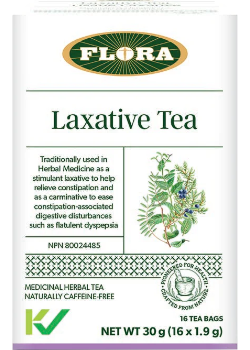
Laxative Tea - 16 Tea Bags
$18.27
Flora Laxative Tea - 16 Tea Bags is a dietary supplement, intended for adults as part of a daily wellness routine.
Laxative Tea from Flora is traditionally used in Herbal Medicine as a stimulant laxative to help relieve constipation, as well as a carminative to ease constipation associated digestive disturbances such as flatulent dyspepsia. With its' full flavour and wonderful aroma this Laxative Tea will help to provide the relief that you need when you need it. Flora recognizes the importance of herbs that are selected from a pristine environment. All of their herbs are carefully dried at low heat to protect the quality and effectiveness of their active components. [TEA BAGS]
Each tea bag contains:
Juniper berry (Juniperus communis) 323 mg
Senna leaf (Cassia angustifolia) 285 mg
Peppermint leaf (Mentha x piperita) 285 mg
Anise seed (Pimpinella anisum) 190 mg
Cascara sagrada aged bark (Rhamnus purshiana) 152 mg
Flaxseed (Linum usitatissimum) 152 mg
Peony root (Paeonia officinalis) 152 mg
Coriander seed (Coriandrum sativum) 133 mg
Oregon grape root (Berberis aquifolium) 95 mg
Yarrow aerial parts (Achillea millefolium) 95 mg
Non-Medicinal Ingredient:
Stevia rebaudiana leaf
Important Information:
Do not take if you are pregnant or breastfeeding, have abnormal constrictions of the gastrointestinal tract, potential or existing intestinal blockage, atonic bowel, appendicitis, inflammatory colon disease, abdominal pain of unknown origin, undiagnosed rectal bleeding, severe dehydration with depleted water or electrolytes, hypokalemia, high blood pressure or a kidney/cardiovascular disorder.
Dosage
Adults: Infuse 1-2 tea bags in 150-250 mL of boiling water. Allow the herbs to steep for at least 10 minutes. Take a single dose at bedtime. Take two to three times per week. If results are not observed, the frequency of use may be increased up to once daily. Allow at least 6 to 12 hours for laxative effect to occur. Take a few hours before or after taking other medications or health products.
Empowering Wellness with Trusted Quality & Proven Potency
Flora; makers of high quality natural health supplements. Flora is a German company that uses quality ingredients, testing and efficacy. Top products include skin supporting supplement, Florasil, Cognitive support Flax O Mega and Omega Sport, Elderberry Crystals and Apple Cider Vinegar Wellness Drinks for immune health plus many more! If you’re looking for the best quality and potency in natural health, Flora’s got you covered.
HEALTHY DIGESTION: THE KEY TO VIBRANCY
You might only notice healthy digestion when you don't have it. Most people don't even think about their digestion until symptoms start. Enzyme supplements &
probiotics
can make a significant difference for you
digestive health...
The digestive process takes food material, breaks it down into absorbable pieces and transports it into the body. It is a complex process, involving many organs. Digestion begins with the scent of food stimulating the secretion of saliva. When food enters the mouth
enzymes
in the saliva begin to break it down. Chewing physically breaks down food pieces and stimulates saliva production. The mucus membranes of the mouth can absorb some nutrients.
Swallowed food travels don the esophagus and into the stomach. The stomach uses muscular contractions to mix the food with digestive enzymes and hydrochloric acid. High acid levels kill germs that may be in the food. Food stays in the stomach longer if it contains more fat and shorter if it contains more sugar.
The small intestine attaches to the stomach. Near it's beginning, ducts from the liver and
pancreas
release digestive juices. Nutrients are absorbed through the thin intestinal wall and transported via the bloodstream, to where they are needed. The remainder of the food is pushed through into the large intestine where water is absorbed. The remaining food is compacted and prepared for excretion as stool.
The liver produces bile, which metabolizes fats and proteins. It also takes the toxic material from food substances, like medications, alcohol, and hormones, and processes them to make them harmless. The liver produces factors for blood clotting and the immune system. The gallbladder is a storage area for bile from the liver. The pancreas manufactures enzymes and hormones, like insulin. Insulin allows cells to take in sugar to burn as fuel.
Many foods that we eat, other substances we consume and our lifestyles contribute to digestive disorders. Highly processed foods, alcohol, medications and tobacco are difficult for our body to break down and cause great strain on our organs, such as the liver and pancreas. They may also physically damage the digestive lining. Processed foods are also deficient in nutrients so not only does the body have to work extra hard to digest the food, but it also gets depleted of the things it needs to do its work. Water and fibre intake is important to have proper moisture and bulk in the stool and make bowel movements regular.
Stress, anxiety and other emotional concerns put our nervous system in an excited state. Our digestive processes are only fully functional when our nervous system is relaxed. Sedentary lifestyles decrease movement throughout the digestive tract. As our transit time slows there is more opportunity for the resorption of processed toxins from our food and greater chance of microbial overgrowth. Slow transit time also dries the stool and makes it more difficult to pass. Our body is designed so that each time we eat a meal we have a bowel movement. Many individuals can be considered constipated and have bowel movements less than once daily.
Some of the most important players in digestion are not part of our own body.
Friendly intestinal bacteria, often called
probiotics, are an essential part of digestion. They break down food particles, manufacture vitamins and prevent the infection of the tract with other microbes.
Each bowel movement actually contains millions of these friendly bacteria; they are in a constant state of renewal. Many concerns like indigestion, gas, bloating and constipation can be due to an imbalance of the intestinal bacteria. It is easy to upset this balance by improper diet or taking medications like antibiotics.
The health of our teeth and gums is often overlooked as a factor in digestive concerns. Problems in the mouth can lead to malnutrition when foods are avoided due to pain or the inability to chew them correctly.
Carefully SelectedShips to the U.S.Wellness EssentialsTrusted Brands
Product Details
HEALTHY DIGESTION: THE KEY TO VIBRANCY
You might only notice healthy digestion when you don't have it. Most people don't even think about their digestion until symptoms start. Enzyme supplements &
probiotics
can make a significant difference for you
digestive health...
The digestive process takes food material, breaks it down into absorbable pieces and transports it into the body. It is a complex process, involving many organs. Digestion begins with the scent of food stimulating the secretion of saliva. When food enters the mouth
enzymes
in the saliva begin to break it down. Chewing physically breaks down food pieces and stimulates saliva production. The mucus membranes of the mouth can absorb some nutrients.
Swallowed food travels don the esophagus and into the stomach. The stomach uses muscular contractions to mix the food with digestive enzymes and hydrochloric acid. High acid levels kill germs that may be in the food. Food stays in the stomach longer if it contains more fat and shorter if it contains more sugar.
The small intestine attaches to the stomach. Near it's beginning, ducts from the liver and
pancreas
release digestive juices. Nutrients are absorbed through the thin intestinal wall and transported via the bloodstream, to where they are needed. The remainder of the food is pushed through into the large intestine where water is absorbed. The remaining food is compacted and prepared for excretion as stool.
The liver produces bile, which metabolizes fats and proteins. It also takes the toxic material from food substances, like medications, alcohol, and hormones, and processes them to make them harmless. The liver produces factors for blood clotting and the immune system. The gallbladder is a storage area for bile from the liver. The pancreas manufactures enzymes and hormones, like insulin. Insulin allows cells to take in sugar to burn as fuel.
Many foods that we eat, other substances we consume and our lifestyles contribute to digestive disorders. Highly processed foods, alcohol, medications and tobacco are difficult for our body to break down and cause great strain on our organs, such as the liver and pancreas. They may also physically damage the digestive lining. Processed foods are also deficient in nutrients so not only does the body have to work extra hard to digest the food, but it also gets depleted of the things it needs to do its work. Water and fibre intake is important to have proper moisture and bulk in the stool and make bowel movements regular.
Stress, anxiety and other emotional concerns put our nervous system in an excited state. Our digestive processes are only fully functional when our nervous system is relaxed. Sedentary lifestyles decrease movement throughout the digestive tract. As our transit time slows there is more opportunity for the resorption of processed toxins from our food and greater chance of microbial overgrowth. Slow transit time also dries the stool and makes it more difficult to pass. Our body is designed so that each time we eat a meal we have a bowel movement. Many individuals can be considered constipated and have bowel movements less than once daily.
Some of the most important players in digestion are not part of our own body.
Friendly intestinal bacteria, often called
probiotics, are an essential part of digestion. They break down food particles, manufacture vitamins and prevent the infection of the tract with other microbes.
Each bowel movement actually contains millions of these friendly bacteria; they are in a constant state of renewal. Many concerns like indigestion, gas, bloating and constipation can be due to an imbalance of the intestinal bacteria. It is easy to upset this balance by improper diet or taking medications like antibiotics.
The health of our teeth and gums is often overlooked as a factor in digestive concerns. Problems in the mouth can lead to malnutrition when foods are avoided due to pain or the inability to chew them correctly.