

1
/
of
1
Himalaya Herbal Healthcare
MenoCare - 120 V-Caps
MenoCare - 120 V-Caps
Regular price
$64.49 USD
Regular price
Sale price
$64.49 USD
Shipping calculated at checkout.
Availability
In stock, and ready to ship
- Support for menopausal symptoms like occasional hot flashes and night sweats
- Reduces irritability, mood swings, vaginal dryness and occasional sleeplessness
- Helps women cope with the discomforts and natural stresses placed on the body during menopause
- Soy, Corn, NonGMO, Dairy, Wheat, and Gluten Free. Vegan Friendly
Quantity
Couldn't load pickup availability

MenoCare - 120 V-Caps
$64.49
Himalaya Herbal Healthcare MenoCare - 120 V-Caps is a dietary supplement in capsule form, intended for adults as part of a daily wellness routine.
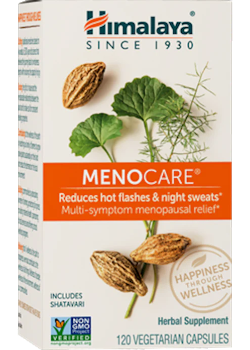
Himalaya MenoCare provides soothing physical and emotional comfort during menopause by helping you with hot flashes, night sweats and occasional sleeplessness. MenoCare brings back balance and promotes cool menopausal wisdom. Hormonal shifts during perimenopause or after ovary removal cause hot flashes and night sweats. It is worth nothing that factors that aggravate menopausal symptoms include poor diet, stress, alcohol, caffeine, tobacco and spices. Help reduce hot flashes and nigh sweats with Menocare from Himalaya Formulas, a herbal supplement for multi-symptom menopausal relief. [VCAPS]
2 capsules contain:
Proprietary Herbal Blend: asoka tree (bark), shatavari (root), chebulic myrobalan (fruit rind), heart-leaf sida (root), licorice (root), gotu kola (whole plant) 800 mg
Non-Medicinal Ingredients:
Plant based cellulose (capsule)
Important Information:
Consult your healthcare practitioner prior to use if pregnant, nursing or taking medications, have a medical condition or are planning any medical procedure. Discontinue use and consult a healthcare practitioner if any adverse reaction occur. Keep out of reach of children.
Proprietary Herbal Blend: asoka tree (bark), shatavari (root), chebulic myrobalan (fruit rind), heart-leaf sida (root), licorice (root), gotu kola (whole plant) 800 mg
Non-Medicinal Ingredients:
Plant based cellulose (capsule)
Important Information:
Consult your healthcare practitioner prior to use if pregnant, nursing or taking medications, have a medical condition or are planning any medical procedure. Discontinue use and consult a healthcare practitioner if any adverse reaction occur. Keep out of reach of children.
Dosage
Adults take 2 capsules twice daily with meals
Adults take 2 capsules twice daily with meals
Pioneers In Herbal Healthcare Offering Time-Tested Ayurveda
What makes Himalaya Herbals unique is their range of 100% natural and safe products with rare herbs collected from the foothills of the Himalayas. Founded in 1930 by Mr. M. Manal with a clear vision to bring Ayurveda to society in a contemporary form and to unravel the mystery behind the 5,000 year old system of medicine.
What makes Himalaya Herbals unique is their range of 100% natural and safe products with rare herbs collected from the foothills of the Himalayas. Founded in 1930 by Mr. M. Manal with a clear vision to bring Ayurveda to society in a contemporary form and to unravel the mystery behind the 5,000 year old system of medicine.
MENOPAUSE SUPPORT
HRT, Hot flashes,
insomnia, mood swings,& an increased risk of heart attack and stroke. Read on to discover how you can make a smooth transition...
Once treated by mainstream medicine as a disease, menopause is a normal transition in a woman’s life from an age of fertility to one of wisdom. Like anything important in a woman’s life, this transition can sometimes be a challenge. With the recent revelation that standard hormone replacement therapy for the relief of hot flashes caused a significant increase in the risk of irregular cell growths, a course of action for support during this transition can be confusing.But there are effective and safe alternatives to HRT with drugs.
Clinically, menopause is complete when one year has passed since the cessation of menstruation. The perimenopausal period can last for several years. During this time women experience gradual cycle changes like more or less bleeding and variations in cycle length. Anemia can occur due to heavy menstrual bleeding. Another way to experience menopause is through the removal of the ovaries. Hormonal shifts during perimenopause or after ovary removal cause hot flashes, night sweats, vaginal dryness, low libido, urinary incontinence, dizziness, heart palpitations, headaches and mood swings. Factors that aggravate symptoms are poor diet, stress, alcohol, caffeine, tobacco and spices.
Around menopause hormone release occurs sporadically and produces symptoms such as hot flashes, night sweats, vaginal dryness, low libido, urinary incontinence, dizziness, heart palpitations, headaches, irregular cycles, irregular bleeding and mood swings. Estrogen receptors are located on non-reproductive cells too. Therefore, menopause affects the aging of a women’s whole body. Skin cells need estrogen to stay smooth and moist. The thyroid gland uses estrogen to maintain body temperature. Proper bone formation requires estrogen. The arteries and heart require estrogen for maintaining their functioning.
Progesterone and testosterone levels also decline in menopause. Progesterone has a calming affect on the brain and nervous system and menopausal women may suffer with anxiety, depression or other emotional concerns. Testosterone regulates the libido and contributes to a decrease in sex drive often reported by menopausal women.
The typical perimenopausal symptoms are treated conventionally by synthetic hormone replacement of estrogen, progesterone and/or testosterone. It decreases perimenopausal symptoms and was also believed to protect against heart disease, and bone loss. Recently these benefits have been called into question. New research suggests that there may also be health risks associated with hormone replacement regardless of whether the source is synthetic or natural. Talk to a health professional about the benefits and drawbacks of hormone replacement.
The relief of these symptoms and natural support for the increased risk of other health concerns aggravated by menopause should include some or all of the following: balancing of hormones (sex hormones as well as adrenal and thyroid hormones), reducing symptoms like hot flashes and mood swings, supporting
bone health, and supporting heart health. Natural support of the menopausal woman involves supporting the whole body because at menopause women lose the protective effect of estrogen on the body. The skeletal and cardiovascular systems are especially susceptible to degeneration due to low estrogen levels.
HORMONES: A DELICATE BALANCE
Hormones are very powerful substances that regulate bodily functions and cause dramatic changes in our health. As estrogen levels decline and fluctuate during the perimenopausal and menopausal periods, the normal balance of this group of hormones is disrupted and typical menopausal symptoms result. Many herbs contain safe and naturally occurring estrogens and can be used as natural hormone replacement therapy without the side effects of conventional HRT. Some of these herbs include: Vitex, dong quai, black cohosh, damiana, soy extracts,
licorice
and others. Use standardized extract versions of these plants as they are stronger than the raw versions and contain a consistent amount of active ingredient. Progesterone levels can also be optimized with the essential fat supplements
primrose oil
or borage oil. Both of these contain the essential fat GLA which your body needs to produce progesterone. Both of these work well combined with
vitamin E. An imbalance between estrogen and progesterone is largely the reason why women experience hot flashes and an increased risk of heart disease and osteoporosis.
Other hormones such as thyroid and adrenal gland hormones can also fluctuate during menopause & perimenopause, causing symptoms such as fatigue, anxiety, stress, and insomnia.
To prevent or reduce these symptoms, support your thyroid with
kelp
and the amino acid tyrosine;
iodine
from the kelp is needed to make the T3 and T4 hormones, as is tyrosine. Stress during this transition also means that the adrenal glands should be supported in addition to the thyroid. The adrenal glands manufacture hormones that help our bodies deal with stress effectively. When you are under long term stress, they can become exhausted and fatigue and a feeling of uncontrollable stress results.
Support your adrenal glands with vitamins C and B (in particular B5).
Also use a herbal
adrenal support
formula with some or all of the following herbs: licorice, Siberian
ginseng, ashwaghanda, and astragalus.
If you or your practitioner suspect estrogen dominance, follow the above recommendations for increasing progesterone production, in addition to taking supplements to balance excess levels of estrogens, especially estrogen analogs in the form of toxins from the environment. Use the supplements D-glucarate, I3C (indole – 3- carbinol), and milk thistle to help your liver break down xeno-estrogens.
HOT FLASHES, INSOMNIA, ANXIETY
Reducing the symptoms of hot flashes, insomnia, depression and vaginal dryness will usually be relieved by most of the recommendations above for balancing hormones, but if you do not experience enough relief, then for insomnia consider: valerian, calcium –
magnesium, or
melatonin. For depression and mood swings, St. John’s wort is effective in relieving mild to moderate depression and anxiety. Vitamin E and aloe can be applied topically to help relieve vaginal dryness.
BONE HEALTH AND MENOPAUSE
Osteoporosis is a major concern for most menopausal women. A good foundation for a bone building supplement program during this time in a woman’s life is calcium – magnesium. Supplying optimum levels of active and absorbable calcium is crucial for maintaining bone mass. The optimum daily allowance (the amount needed for promoting health) is 1500mg with 750mg magnesium. This is the elemental dosage, which refers to the actual amount of calcium available to the body for absorption. However, not all types of calcium are absorbed equally by the body. In fact, the most commonly used form of calcium available in most drug and grocery stores – calcium carbonate – is derived from rock. The superior forms of calcium for the average person are chelate and citrate. Both of these active forms of calcium have been bound to another nutrient so that they can permeate cell membranes more effectively than the calcium in its raw state. In the case of the chelate type, the calcium has been bound to a
protein
that enhances its bioavailability; the citrate type has been bound to citric acid. A third therapeutic form of calcium is specific for people with identifiable loss of bone mass. This is the form of calcium that is actually found in the bones. It is called CMHA, or calcium microcrystalline hydroxyapatite. It has been clinically proven to increase bone mass and decrease loss of bone mass, but should only be used by those with diagnosed osteoporosis.
Synergistic nutrients can make a substantial difference in the uptake of calcium by the bones. For a variety of different reasons calcium can be difficult to absorb - one of them being that as a mineral, calcium has a negative charge that can repel it from the cells of the body. It’s very important, then, for people concerned about bone health that nutrients be taken along with calcium. Some of them include: magnesium (in a 2:1 ratio), zinc, silica, manganese, copper, boron, and potassium. While there are others, these are the ones that can make the biggest difference for bioavailability. Some of these, like magnesium and zinc, can increase absorption in the gut, while others, like the boron and silica increase the actual uptake of calcium by the bones and its subsequent integration as new bone mass.
Maintaining and alkaline PH in the body is important for helping to maintain bone mass during menopause because an acidic environment in the body leaches calcium and other minerals out of your bones. This occurs because your body – in an attempt to neutralize excess acidity will use its resources of alkaline substances (in this case the minerals from your bones) to harmonize its PH. Over time, this will eventually lead to loss of bone mass. A good quality green food supplement taken on a daily basis can help to increase the alkalinity of your body. So will most minerals, but in particular the mineral potassium. Consider monitoring your PH daily with ph paper strips, or with an electronic ph meter. These can help you gauge your ph accurately and allow you to adjust your supplements and your diet appropriately.
HEART HEALTH AND MENOPAUSE
An increased risk of heart disease and stroke is also a concern for menopausal women. While heading towards age sixty usually carries with it an increase in the risk of heart attack and stroke for most people, declining levels of healthy estrogens accelerate this risk for menopausal women. Several supplements can help you to optimize your heart health during menopause. One of the best supplements proven to help maintain heart health is Coenzyme Q10. COQ10 helps the heart use oxygen and energy effectively, and its highest concentration in the body is found in the heart. Use 60-120mg daily of COQ10. Hawthorn berry contains bioflavanoids that have proven blood pressure reducing properties and that also act as a heart tonic.
It is important that you stay active during perimenopause and menopause. Exercise has many benefits for menopausal women, including reducing the risk of osteoporosis, heart attacks and strokes. Stress can also be managed with exercise and enjoyable activities.
Dietary support during perimenopause consists of a diet high in whole grains, nuts, seeds, cold-pressed nut and seed oils, vegetables, fruits, eggs, yogurt and nutritional yeast. These foods provide vitamin E, vitamin C, bioflavinoids, essential fatty acids and B vitamins. These nutrients enhance estrogen production and regulate estrogen levels in the body. Soy products should be consumed because they contain plant estrogens. Eat foods that are high in calcium such as, green leafy vegetables, eggs, shellfish and fermented dairy products. Drink 2L of filtered water daily to hydrate the skin ands mucus membranes. Avoid coffee and alcohol because they increase calcium excretion and exacerbate symptoms. Avoid animal products because they contribute to hot flashes and increase calcium loss.
One and a half to two litres of filtered water or herbal tea should be consumed daily to prevent dehydration. Avoid caffeine and alcohol, which increase fluid loss. There are three aspects to a bone building diet. Bone forming minerals, including calcium, must be taken in. Accessory nutrients that help calcium utilization must also be available. Finally the body must become alkaline because an acidic environment causes calcium to be drawn from the bones in order to buffer the acidity. Dietary changes for heart health include maintaining adequate fibre intake and lowering the fat and cholesterol content of your foods.
HRT, Hot flashes,
insomnia, mood swings,& an increased risk of heart attack and stroke. Read on to discover how you can make a smooth transition...
Once treated by mainstream medicine as a disease, menopause is a normal transition in a woman’s life from an age of fertility to one of wisdom. Like anything important in a woman’s life, this transition can sometimes be a challenge. With the recent revelation that standard hormone replacement therapy for the relief of hot flashes caused a significant increase in the risk of irregular cell growths, a course of action for support during this transition can be confusing.But there are effective and safe alternatives to HRT with drugs.
Clinically, menopause is complete when one year has passed since the cessation of menstruation. The perimenopausal period can last for several years. During this time women experience gradual cycle changes like more or less bleeding and variations in cycle length. Anemia can occur due to heavy menstrual bleeding. Another way to experience menopause is through the removal of the ovaries. Hormonal shifts during perimenopause or after ovary removal cause hot flashes, night sweats, vaginal dryness, low libido, urinary incontinence, dizziness, heart palpitations, headaches and mood swings. Factors that aggravate symptoms are poor diet, stress, alcohol, caffeine, tobacco and spices.
Around menopause hormone release occurs sporadically and produces symptoms such as hot flashes, night sweats, vaginal dryness, low libido, urinary incontinence, dizziness, heart palpitations, headaches, irregular cycles, irregular bleeding and mood swings. Estrogen receptors are located on non-reproductive cells too. Therefore, menopause affects the aging of a women’s whole body. Skin cells need estrogen to stay smooth and moist. The thyroid gland uses estrogen to maintain body temperature. Proper bone formation requires estrogen. The arteries and heart require estrogen for maintaining their functioning.
Progesterone and testosterone levels also decline in menopause. Progesterone has a calming affect on the brain and nervous system and menopausal women may suffer with anxiety, depression or other emotional concerns. Testosterone regulates the libido and contributes to a decrease in sex drive often reported by menopausal women.
The typical perimenopausal symptoms are treated conventionally by synthetic hormone replacement of estrogen, progesterone and/or testosterone. It decreases perimenopausal symptoms and was also believed to protect against heart disease, and bone loss. Recently these benefits have been called into question. New research suggests that there may also be health risks associated with hormone replacement regardless of whether the source is synthetic or natural. Talk to a health professional about the benefits and drawbacks of hormone replacement.
The relief of these symptoms and natural support for the increased risk of other health concerns aggravated by menopause should include some or all of the following: balancing of hormones (sex hormones as well as adrenal and thyroid hormones), reducing symptoms like hot flashes and mood swings, supporting
bone health, and supporting heart health. Natural support of the menopausal woman involves supporting the whole body because at menopause women lose the protective effect of estrogen on the body. The skeletal and cardiovascular systems are especially susceptible to degeneration due to low estrogen levels.
HORMONES: A DELICATE BALANCE
Hormones are very powerful substances that regulate bodily functions and cause dramatic changes in our health. As estrogen levels decline and fluctuate during the perimenopausal and menopausal periods, the normal balance of this group of hormones is disrupted and typical menopausal symptoms result. Many herbs contain safe and naturally occurring estrogens and can be used as natural hormone replacement therapy without the side effects of conventional HRT. Some of these herbs include: Vitex, dong quai, black cohosh, damiana, soy extracts,
licorice
and others. Use standardized extract versions of these plants as they are stronger than the raw versions and contain a consistent amount of active ingredient. Progesterone levels can also be optimized with the essential fat supplements
primrose oil
or borage oil. Both of these contain the essential fat GLA which your body needs to produce progesterone. Both of these work well combined with
vitamin E. An imbalance between estrogen and progesterone is largely the reason why women experience hot flashes and an increased risk of heart disease and osteoporosis.
Other hormones such as thyroid and adrenal gland hormones can also fluctuate during menopause & perimenopause, causing symptoms such as fatigue, anxiety, stress, and insomnia.
To prevent or reduce these symptoms, support your thyroid with
kelp
and the amino acid tyrosine;
iodine
from the kelp is needed to make the T3 and T4 hormones, as is tyrosine. Stress during this transition also means that the adrenal glands should be supported in addition to the thyroid. The adrenal glands manufacture hormones that help our bodies deal with stress effectively. When you are under long term stress, they can become exhausted and fatigue and a feeling of uncontrollable stress results.
Support your adrenal glands with vitamins C and B (in particular B5).
Also use a herbal
adrenal support
formula with some or all of the following herbs: licorice, Siberian
ginseng, ashwaghanda, and astragalus.
If you or your practitioner suspect estrogen dominance, follow the above recommendations for increasing progesterone production, in addition to taking supplements to balance excess levels of estrogens, especially estrogen analogs in the form of toxins from the environment. Use the supplements D-glucarate, I3C (indole – 3- carbinol), and milk thistle to help your liver break down xeno-estrogens.
HOT FLASHES, INSOMNIA, ANXIETY
Reducing the symptoms of hot flashes, insomnia, depression and vaginal dryness will usually be relieved by most of the recommendations above for balancing hormones, but if you do not experience enough relief, then for insomnia consider: valerian, calcium –
magnesium, or
melatonin. For depression and mood swings, St. John’s wort is effective in relieving mild to moderate depression and anxiety. Vitamin E and aloe can be applied topically to help relieve vaginal dryness.
BONE HEALTH AND MENOPAUSE
Osteoporosis is a major concern for most menopausal women. A good foundation for a bone building supplement program during this time in a woman’s life is calcium – magnesium. Supplying optimum levels of active and absorbable calcium is crucial for maintaining bone mass. The optimum daily allowance (the amount needed for promoting health) is 1500mg with 750mg magnesium. This is the elemental dosage, which refers to the actual amount of calcium available to the body for absorption. However, not all types of calcium are absorbed equally by the body. In fact, the most commonly used form of calcium available in most drug and grocery stores – calcium carbonate – is derived from rock. The superior forms of calcium for the average person are chelate and citrate. Both of these active forms of calcium have been bound to another nutrient so that they can permeate cell membranes more effectively than the calcium in its raw state. In the case of the chelate type, the calcium has been bound to a
protein
that enhances its bioavailability; the citrate type has been bound to citric acid. A third therapeutic form of calcium is specific for people with identifiable loss of bone mass. This is the form of calcium that is actually found in the bones. It is called CMHA, or calcium microcrystalline hydroxyapatite. It has been clinically proven to increase bone mass and decrease loss of bone mass, but should only be used by those with diagnosed osteoporosis.
Synergistic nutrients can make a substantial difference in the uptake of calcium by the bones. For a variety of different reasons calcium can be difficult to absorb - one of them being that as a mineral, calcium has a negative charge that can repel it from the cells of the body. It’s very important, then, for people concerned about bone health that nutrients be taken along with calcium. Some of them include: magnesium (in a 2:1 ratio), zinc, silica, manganese, copper, boron, and potassium. While there are others, these are the ones that can make the biggest difference for bioavailability. Some of these, like magnesium and zinc, can increase absorption in the gut, while others, like the boron and silica increase the actual uptake of calcium by the bones and its subsequent integration as new bone mass.
Maintaining and alkaline PH in the body is important for helping to maintain bone mass during menopause because an acidic environment in the body leaches calcium and other minerals out of your bones. This occurs because your body – in an attempt to neutralize excess acidity will use its resources of alkaline substances (in this case the minerals from your bones) to harmonize its PH. Over time, this will eventually lead to loss of bone mass. A good quality green food supplement taken on a daily basis can help to increase the alkalinity of your body. So will most minerals, but in particular the mineral potassium. Consider monitoring your PH daily with ph paper strips, or with an electronic ph meter. These can help you gauge your ph accurately and allow you to adjust your supplements and your diet appropriately.
HEART HEALTH AND MENOPAUSE
An increased risk of heart disease and stroke is also a concern for menopausal women. While heading towards age sixty usually carries with it an increase in the risk of heart attack and stroke for most people, declining levels of healthy estrogens accelerate this risk for menopausal women. Several supplements can help you to optimize your heart health during menopause. One of the best supplements proven to help maintain heart health is Coenzyme Q10. COQ10 helps the heart use oxygen and energy effectively, and its highest concentration in the body is found in the heart. Use 60-120mg daily of COQ10. Hawthorn berry contains bioflavanoids that have proven blood pressure reducing properties and that also act as a heart tonic.
It is important that you stay active during perimenopause and menopause. Exercise has many benefits for menopausal women, including reducing the risk of osteoporosis, heart attacks and strokes. Stress can also be managed with exercise and enjoyable activities.
Dietary support during perimenopause consists of a diet high in whole grains, nuts, seeds, cold-pressed nut and seed oils, vegetables, fruits, eggs, yogurt and nutritional yeast. These foods provide vitamin E, vitamin C, bioflavinoids, essential fatty acids and B vitamins. These nutrients enhance estrogen production and regulate estrogen levels in the body. Soy products should be consumed because they contain plant estrogens. Eat foods that are high in calcium such as, green leafy vegetables, eggs, shellfish and fermented dairy products. Drink 2L of filtered water daily to hydrate the skin ands mucus membranes. Avoid coffee and alcohol because they increase calcium excretion and exacerbate symptoms. Avoid animal products because they contribute to hot flashes and increase calcium loss.
One and a half to two litres of filtered water or herbal tea should be consumed daily to prevent dehydration. Avoid caffeine and alcohol, which increase fluid loss. There are three aspects to a bone building diet. Bone forming minerals, including calcium, must be taken in. Accessory nutrients that help calcium utilization must also be available. Finally the body must become alkaline because an acidic environment causes calcium to be drawn from the bones in order to buffer the acidity. Dietary changes for heart health include maintaining adequate fibre intake and lowering the fat and cholesterol content of your foods.
Carefully Selected
Ships to the U.S.
Wellness Essentials
Trusted Brands
Product Details
MENOPAUSE SUPPORTHRT, Hot flashes,
insomnia, mood swings,& an increased risk of heart attack and stroke. Read on to discover how you can make a smooth transition...
Once treated by mainstream medicine as a disease, menopause is a normal transition in a woman’s life from an age of fertility to one of wisdom. Like anything important in a woman’s life, this transition can sometimes be a challenge. With the recent revelation that standard hormone replacement therapy for the relief of hot flashes caused a significant increase in the risk of irregular cell growths, a course of action for support during this transition can be confusing.But there are effective and safe alternatives to HRT with drugs.
Clinically, menopause is complete when one year has passed since the cessation of menstruation. The perimenopausal period can last for several years. During this time women experience gradual cycle changes like more or less bleeding and variations in cycle length. Anemia can occur due to heavy menstrual bleeding. Another way to experience menopause is through the removal of the ovaries. Hormonal shifts during perimenopause or after ovary removal cause hot flashes, night sweats, vaginal dryness, low libido, urinary incontinence, dizziness, heart palpitations, headaches and mood swings. Factors that aggravate symptoms are poor diet, stress, alcohol, caffeine, tobacco and spices.
Around menopause hormone release occurs sporadically and produces symptoms such as hot flashes, night sweats, vaginal dryness, low libido, urinary incontinence, dizziness, heart palpitations, headaches, irregular cycles, irregular bleeding and mood swings. Estrogen receptors are located on non-reproductive cells too. Therefore, menopause affects the aging of a women’s whole body. Skin cells need estrogen to stay smooth and moist. The thyroid gland uses estrogen to maintain body temperature. Proper bone formation requires estrogen. The arteries and heart require estrogen for maintaining their functioning.
Progesterone and testosterone levels also decline in menopause. Progesterone has a calming affect on the brain and nervous system and menopausal women may suffer with anxiety, depression or other emotional concerns. Testosterone regulates the libido and contributes to a decrease in sex drive often reported by menopausal women.
The typical perimenopausal symptoms are treated conventionally by synthetic hormone replacement of estrogen, progesterone and/or testosterone. It decreases perimenopausal symptoms and was also believed to protect against heart disease, and bone loss. Recently these benefits have been called into question. New research suggests that there may also be health risks associated with hormone replacement regardless of whether the source is synthetic or natural. Talk to a health professional about the benefits and drawbacks of hormone replacement.
The relief of these symptoms and natural support for the increased risk of other health concerns aggravated by menopause should include some or all of the following: balancing of hormones (sex hormones as well as adrenal and thyroid hormones), reducing symptoms like hot flashes and mood swings, supporting
bone health, and supporting heart health. Natural support of the menopausal woman involves supporting the whole body because at menopause women lose the protective effect of estrogen on the body. The skeletal and cardiovascular systems are especially susceptible to degeneration due to low estrogen levels.
HORMONES: A DELICATE BALANCE
Hormones are very powerful substances that regulate bodily functions and cause dramatic changes in our health. As estrogen levels decline and fluctuate during the perimenopausal and menopausal periods, the normal balance of this group of hormones is disrupted and typical menopausal symptoms result. Many herbs contain safe and naturally occurring estrogens and can be used as natural hormone replacement therapy without the side effects of conventional HRT. Some of these herbs include: Vitex, dong quai, black cohosh, damiana, soy extracts,
licorice
and others. Use standardized extract versions of these plants as they are stronger than the raw versions and contain a consistent amount of active ingredient. Progesterone levels can also be optimized with the essential fat supplements
primrose oil
or borage oil. Both of these contain the essential fat GLA which your body needs to produce progesterone. Both of these work well combined with
vitamin E. An imbalance between estrogen and progesterone is largely the reason why women experience hot flashes and an increased risk of heart disease and osteoporosis.
Other hormones such as thyroid and adrenal gland hormones can also fluctuate during menopause & perimenopause, causing symptoms such as fatigue, anxiety, stress, and insomnia.
To prevent or reduce these symptoms, support your thyroid with
kelp
and the amino acid tyrosine;
iodine
from the kelp is needed to make the T3 and T4 hormones, as is tyrosine. Stress during this transition also means that the adrenal glands should be supported in addition to the thyroid. The adrenal glands manufacture hormones that help our bodies deal with stress effectively. When you are under long term stress, they can become exhausted and fatigue and a feeling of uncontrollable stress results.
Support your adrenal glands with vitamins C and B (in particular B5).
Also use a herbal
adrenal support
formula with some or all of the following herbs: licorice, Siberian
ginseng, ashwaghanda, and astragalus.
If you or your practitioner suspect estrogen dominance, follow the above recommendations for increasing progesterone production, in addition to taking supplements to balance excess levels of estrogens, especially estrogen analogs in the form of toxins from the environment. Use the supplements D-glucarate, I3C (indole – 3- carbinol), and milk thistle to help your liver break down xeno-estrogens.
HOT FLASHES, INSOMNIA, ANXIETY
Reducing the symptoms of hot flashes, insomnia, depression and vaginal dryness will usually be relieved by most of the recommendations above for balancing hormones, but if you do not experience enough relief, then for insomnia consider: valerian, calcium –
magnesium, or
melatonin. For depression and mood swings, St. John’s wort is effective in relieving mild to moderate depression and anxiety. Vitamin E and aloe can be applied topically to help relieve vaginal dryness.
BONE HEALTH AND MENOPAUSE
Osteoporosis is a major concern for most menopausal women. A good foundation for a bone building supplement program during this time in a woman’s life is calcium – magnesium. Supplying optimum levels of active and absorbable calcium is crucial for maintaining bone mass. The optimum daily allowance (the amount needed for promoting health) is 1500mg with 750mg magnesium. This is the elemental dosage, which refers to the actual amount of calcium available to the body for absorption. However, not all types of calcium are absorbed equally by the body. In fact, the most commonly used form of calcium available in most drug and grocery stores – calcium carbonate – is derived from rock. The superior forms of calcium for the average person are chelate and citrate. Both of these active forms of calcium have been bound to another nutrient so that they can permeate cell membranes more effectively than the calcium in its raw state. In the case of the chelate type, the calcium has been bound to a
protein
that enhances its bioavailability; the citrate type has been bound to citric acid. A third therapeutic form of calcium is specific for people with identifiable loss of bone mass. This is the form of calcium that is actually found in the bones. It is called CMHA, or calcium microcrystalline hydroxyapatite. It has been clinically proven to increase bone mass and decrease loss of bone mass, but should only be used by those with diagnosed osteoporosis.
Synergistic nutrients can make a substantial difference in the uptake of calcium by the bones. For a variety of different reasons calcium can be difficult to absorb - one of them being that as a mineral, calcium has a negative charge that can repel it from the cells of the body. It’s very important, then, for people concerned about bone health that nutrients be taken along with calcium. Some of them include: magnesium (in a 2:1 ratio), zinc, silica, manganese, copper, boron, and potassium. While there are others, these are the ones that can make the biggest difference for bioavailability. Some of these, like magnesium and zinc, can increase absorption in the gut, while others, like the boron and silica increase the actual uptake of calcium by the bones and its subsequent integration as new bone mass.
Maintaining and alkaline PH in the body is important for helping to maintain bone mass during menopause because an acidic environment in the body leaches calcium and other minerals out of your bones. This occurs because your body – in an attempt to neutralize excess acidity will use its resources of alkaline substances (in this case the minerals from your bones) to harmonize its PH. Over time, this will eventually lead to loss of bone mass. A good quality green food supplement taken on a daily basis can help to increase the alkalinity of your body. So will most minerals, but in particular the mineral potassium. Consider monitoring your PH daily with ph paper strips, or with an electronic ph meter. These can help you gauge your ph accurately and allow you to adjust your supplements and your diet appropriately.
HEART HEALTH AND MENOPAUSE
An increased risk of heart disease and stroke is also a concern for menopausal women. While heading towards age sixty usually carries with it an increase in the risk of heart attack and stroke for most people, declining levels of healthy estrogens accelerate this risk for menopausal women. Several supplements can help you to optimize your heart health during menopause. One of the best supplements proven to help maintain heart health is Coenzyme Q10. COQ10 helps the heart use oxygen and energy effectively, and its highest concentration in the body is found in the heart. Use 60-120mg daily of COQ10. Hawthorn berry contains bioflavanoids that have proven blood pressure reducing properties and that also act as a heart tonic.
It is important that you stay active during perimenopause and menopause. Exercise has many benefits for menopausal women, including reducing the risk of osteoporosis, heart attacks and strokes. Stress can also be managed with exercise and enjoyable activities.
Dietary support during perimenopause consists of a diet high in whole grains, nuts, seeds, cold-pressed nut and seed oils, vegetables, fruits, eggs, yogurt and nutritional yeast. These foods provide vitamin E, vitamin C, bioflavinoids, essential fatty acids and B vitamins. These nutrients enhance estrogen production and regulate estrogen levels in the body. Soy products should be consumed because they contain plant estrogens. Eat foods that are high in calcium such as, green leafy vegetables, eggs, shellfish and fermented dairy products. Drink 2L of filtered water daily to hydrate the skin ands mucus membranes. Avoid coffee and alcohol because they increase calcium excretion and exacerbate symptoms. Avoid animal products because they contribute to hot flashes and increase calcium loss.
One and a half to two litres of filtered water or herbal tea should be consumed daily to prevent dehydration. Avoid caffeine and alcohol, which increase fluid loss. There are three aspects to a bone building diet. Bone forming minerals, including calcium, must be taken in. Accessory nutrients that help calcium utilization must also be available. Finally the body must become alkaline because an acidic environment causes calcium to be drawn from the bones in order to buffer the acidity. Dietary changes for heart health include maintaining adequate fibre intake and lowering the fat and cholesterol content of your foods.


🌿
Daily Wellness
Easy to add to your everyday health routine.
✅
Carefully Selected
Chosen with quality and customer needs in mind.
💊
Simple to Use
Designed for convenient daily supplementation.
🚚
Ships to the U.S.
Fast, reliable shipping to U.S. customers.