Organic
Lively, sweet aroma
Inspire calm focus during work or school
Excellent deodorizer
Safe to use in body care products
No Animal Testing
Essential Purity Tested, No Synthetic Preservatives Colors Fragrances, Synthetic Colors Stabilizers, Synthetic Fragrances, Paraben Petroleum Free
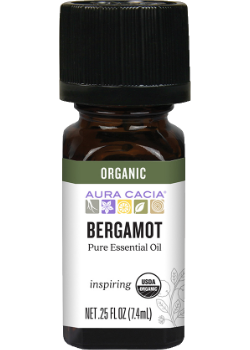
Organic Bergamot Pure Essential Oil (Inspiring) - 7.4ml
$35.60
Aura Cacia Organic Bergamot Pure Essential Oil (Inspiring) - 7.4ml is a dietary supplement in oil form, intended for adults as part of a daily wellness routine.
Aura Cacia Organic Bergamot (Citrus bergamia) Essential Oil is a reviving, soothing citrus oil with floral and sweet notes that distinguish it from other citrus oils, with a variety of benefits and uses. Often considered the finest of the citrus oils, bergamot is native to tropical Asia but grows almost exclusively in Italy, Brazil, France and the Ivory Coast. Aura Cacia Organic Bergamot Essential Oil is expressed from the fruit peel of certified organic Italian-grown bergamot oranges. [LIQUID]
Ingredients:
Organic Citrus Bergamia (bergamot) Oil.
Important Information:
If pregnant, suffering from any medical condition, or taking medication, consult a health care practitioner before use. Avoid eyes and mucous membranes. Dilute properly may irritate skin not for internal use avoid direct sunlight keep out of reach of children.
Dosage
For aromatherapy use. For all other uses, carefully dilute with a carrier oil such as jojoba, grapeseed, olive, or almond oil prior to use. Please consult an essential oil book or other professional reference source for suggested dilution ratios.
Essential Oils That Nurture Body, Mind & Spirit
Aura Cacia offers an extensive selection of high quality essential oils and aromatherapy products for all ages. They offer certified organic and fair trade products when they can. Otherwise, Aura Cacia uses their very own Well Earth ethical and sustainable sourcing program developed by Frontier Co-op. They have also established the Aura Cacia 1% Organic Fund in which they donate 1% of sales from organic products to organic farmers and their communities. Aura Cacia sources their ingredients directly so that personal relationships can be developed with farmers and so they can get the best sources available. Founded in 1982, you can trust the quality Aura Cacia offers in all your must have essential oils and aromatherapy goods.
Often considered the finest of the citrus oils, bergamot is native to tropical Asia but grows almost exclusively in Italy, Brazil, France and the Ivory Coast.
Aura Cacia Organic Bergamot Essential Oil is expressed from the fruit peel of certified organic Italian-grown bergamot oranges. Aura Cacia Organic Bergamot (Citrus bergamia) Essential Oil is a reviving, soothing citrus oil with floral and sweet notes that distinguish it from other citrus oils, with a variety of benefits and uses.
BERGAMOT ESSENTIAL OIL
Bergamot the quintessential taste of Earl Grey Tea...
Essentials oils have been used around the globe for centuries. They are used for both pleasure and medicinal purposes. Medicinally, certain
essential oils
can be ingested orally to have a biochemical effect on your body. Because essential oils are volatile, meaning they can evaporate into the air especially when added to hot water, they can be breathed in through your respiratory system.
This can have a local effect on your sinuses, nasal passages and lungs. They can even enter your blood circulation through being inhaled which will then have a biochemical effect on your entire body. Topically essential oils work by penetrating your skin to affect an area locally and by penetrating your skin a small amount can enter your blood stream affecting your whole body. Applied topically, essential oils are absorbed through your olfactory nerve in your nose affecting your brain and nervous system. These various pathways can affect your health both mentally and physically. The study of
Aromatherapy
– the medicinal use of essential oils – falls under the new science called Psychoneuroimmunology, which is the study of the interaction of your psyche, nervous system and immune system. Science has shown that when you have a positive outlook and feel relaxed your immune system works better.
Aromatherapy and the use of essential oils and resins from plants have been used in cultures globally since Biblical times. They were in such demand that they played an important role in international trade around the globe. In Egypt, high priests recorded the many medicinal uses of essential oils onto papyrus paper. Records show the Chinese used aromatic herbs and massage over 2000 years ago. And in Indian Ayurvedic medicine, essential oils were and still are used in massage and on pressure points to correct underlying imbalances and to improve health.
Essential Oils Can Be:
- Inhaled through steam inhalation, humidifiers, diffusers, and vaporizers
- Added to a carrier oil and applied to your skin directly or as a hot or cold compress
- Spritzed onto objects like pillows, bedding and furniture
- Added to infusers, potpourri and candles to enhance the odour of an indoor space
- Applied to skin as perfume
- Used as a gargle or mouth wash, added to toothpaste, soaps, cleaning solutions, lotions and creams, face and body spray
- Added to baths, hot tubs, Jacuzzis, hand and foot baths and saunas
What Is Bergamot Essential Oil?
Bergamot is a floral rich aromatic essential oil made from peel of Bergamot oranges. Bergamot oranges are also known as Citrus bergamia and are from Southern Asia. Dried peels and the essence of Bergamot have traditionally been used in teas, namely the famous Early Grey tea, and in perfumes. The peel is also used in foods such as jams, flavourings, preserves.
What Is Bergamot Essential Oil Used For?
Bergamot can be used for numerous health concerns... As an essential oil, Bergamot is great to heal, nourish and improve the health of your skin. Bergamot essential oil is wonderful to help eczema,
psoriasis, and acne. It is also effective for various
skin infections
like yeast, fungal, and bacterial skin infections. It can even be applied to the skin to decrease blemishes and age spots.
It works by acting as a antiseptic and disinfectant, so it kills bacteria, yeast and fungus. It is also moisturizing so it nourishes dry, damaged and aging skin. Bergamot also is a cicatrisant, which means it fades blemishes, acne, age spots and discoloured skin.
How Do You Use It?
Topically: in a carrier oil like Jojoba, Sweet Almond or
Grape Seed Oil:
- acne
- eczema, psoriasis
- skin infection – yeast, fungal and bacterial
- age spots, blemishes, prevents scaring from deep acne
- dry aging skin
- As a facial steam, in a bath, in a diffuser or humidifier:
- facial steam – to hydrate and nourish skin, acne, age spots
- to clean air – viral, bacterial, mold spores
- skin infections
Works Synergistically With:
-
Lavender
- Grapefruit
- Wintergreen
-
Tea Tree
-
Rosemary
Bergamot Essential Oil – Quick Facts
Fragrance
Citrus, Fresh, Light, Sweet, Warm, Floral
Source
Rind Of The Bergamot Fruit From The Evergreen Citrus Tree. Native To Asia
Applications
Acne, Age Spots, Skin Infections – Yeast, Fungal, Bacterial, Eczema, Psoriasis
Mixes Well With
Cedar, Cypress, Jasmine, Neroli, Lavender, Melissa
Important Information
Bergamot Is Phototoxic. Avoid Exposure To Sun For Several Hours After Applied To Skin. Caution To Those With Sensitive Skin. May Cause Irritation.
Essential Oil Can Cause Skin Irritation If Applied Directly To The Skin – Caution In Pregnancy. Can Increase Photo-Sensitivity Of Skin When Used Topically.
AROMATHERAPY
Aromatherapy is the use of volatile plant oils, including essential oils, for both physical and psychological wellbeing... the principals of Aromatherapy share a common goal of helping clients to achieve a balance between body and mind.
How Does It Work?
There are two proposed mechanisms. The first follows the theory that the aroma of the oils have a direct influence on the brain. Through the olfactory system, our nose, the aromas travel to the limbic system of the brain.
The limbic system is involved in various functions in the body such as emotional responses, memory storage and hormone regulation. It also plays a role in sensory perception and motor function, as well as olfaction, the sense of smell.
Versatile as a mode of treatment, aromatherapy offers improvement for mental and emotional issues such as anxiety, depression and
insomnia
while also treating symptoms like difficulty concentrating and muscle and joint pain. Acute conditions such as exhaustion, nausea and headaches can also be improved through the use of aromatherapy. Even chronic conditions like respiratory difficulties, stress and low libido can be treated. Aromatherapy has even been known to improve immune functioning.
Aromatherapy has many applications and is used to treat a variety of ailments with reported success. Unfortunately, there are limited scientific studies on the efficacy of aromatherapy due to the individualized nature of treatment.
Aromatherapy is a well known treatment for low libido and overall stress reduction. There are sadly few scientific studies to prove the effectiveness of Aromatherapy as medicine, simply because it is a difficult area to study as the treatments are designed for individual use.
What Happens At A Typical Visit?
Most, although not all, aromatherapy sessions will include a massage with the oils that are specifically created for you throughout the session. The first session is likely to take between one and a half to two hours. The therapist will take a detailed description of your past and current medical history, as well as general information about your personality and temperament. It is common that the aromatherapist will take particular interest in how you feel on the day of your appointment, where you are feeling the primary concern in terms of location in the body and what you want to achieve during the session. Many aromatherapists will incorporate their knowledge of chakras and their energy, into choosing which essential oils to use.
A blend of essential oils will be mixed with base or carrier oil such as sweet
almond oil, wheat germ or grape seed. The aromatherapist should take the time to sit down and discuss the oils and why each was chosen and the therapeutic effect they are meant to have. This blend will be specific for you and your condition on that day. If your goal is more long term, the blend may be used repeatedly throughout multiple appointments, or it may change form visit to visit depending on acute changes or as healing takes place over time.
Generally, you will be asked to lie face up or face down on a massage table for the remainder of your treatment. Aromatherapy massage differs from the more conventional Swedish or sports style in that there is very little deep muscle work, because the blend of oils should do the work for the therapist. Instead, it's likely to be slow, soft and rhythmic. The body absorbs the essential oils and they start to work, relaxing the muscles, stimulating the mind, improving appetite and so on depending on what you are looking to achieve. The actual massage might take a half hour up to an hour and a half.
Before you leave, the aromatherapist is likely to offer some advice for the next twenty four hours - helping the client to get the very best from the treatment. Longer term advice tends to begin after a few sessions, as the therapist and client begin to establish trust and rapport. Most therapists will offer advice on longer term preventative steps the clients could take to improve their quality of life. Often you are sent home with the oil blend that has been made for you, with instructions on how to incorporate the healing scents into your daily routine.
Carefully SelectedShips to the U.S.Wellness EssentialsTrusted Brands
Product Details
Often considered the finest of the citrus oils, bergamot is native to tropical Asia but grows almost exclusively in Italy, Brazil, France and the Ivory Coast.
Aura Cacia Organic Bergamot Essential Oil is expressed from the fruit peel of certified organic Italian-grown bergamot oranges. Aura Cacia Organic Bergamot (Citrus bergamia) Essential Oil is a reviving, soothing citrus oil with floral and sweet notes that distinguish it from other citrus oils, with a variety of benefits and uses.
BERGAMOT ESSENTIAL OIL
Bergamot the quintessential taste of Earl Grey Tea...
Essentials oils have been used around the globe for centuries. They are used for both pleasure and medicinal purposes. Medicinally, certain
essential oils
can be ingested orally to have a biochemical effect on your body. Because essential oils are volatile, meaning they can evaporate into the air especially when added to hot water, they can be breathed in through your respiratory system.
This can have a local effect on your sinuses, nasal passages and lungs. They can even enter your blood circulation through being inhaled which will then have a biochemical effect on your entire body. Topically essential oils work by penetrating your skin to affect an area locally and by penetrating your skin a small amount can enter your blood stream affecting your whole body. Applied topically, essential oils are absorbed through your olfactory nerve in your nose affecting your brain and nervous system. These various pathways can affect your health both mentally and physically. The study of
Aromatherapy
– the medicinal use of essential oils – falls under the new science called Psychoneuroimmunology, which is the study of the interaction of your psyche, nervous system and immune system. Science has shown that when you have a positive outlook and feel relaxed your immune system works better.
Aromatherapy and the use of essential oils and resins from plants have been used in cultures globally since Biblical times. They were in such demand that they played an important role in international trade around the globe. In Egypt, high priests recorded the many medicinal uses of essential oils onto papyrus paper. Records show the Chinese used aromatic herbs and massage over 2000 years ago. And in Indian Ayurvedic medicine, essential oils were and still are used in massage and on pressure points to correct underlying imbalances and to improve health.
Essential Oils Can Be:
- Inhaled through steam inhalation, humidifiers, diffusers, and vaporizers
- Added to a carrier oil and applied to your skin directly or as a hot or cold compress
- Spritzed onto objects like pillows, bedding and furniture
- Added to infusers, potpourri and candles to enhance the odour of an indoor space
- Applied to skin as perfume
- Used as a gargle or mouth wash, added to toothpaste, soaps, cleaning solutions, lotions and creams, face and body spray
- Added to baths, hot tubs, Jacuzzis, hand and foot baths and saunas
What Is Bergamot Essential Oil?
Bergamot is a floral rich aromatic essential oil made from peel of Bergamot oranges. Bergamot oranges are also known as Citrus bergamia and are from Southern Asia. Dried peels and the essence of Bergamot have traditionally been used in teas, namely the famous Early Grey tea, and in perfumes. The peel is also used in foods such as jams, flavourings, preserves.
What Is Bergamot Essential Oil Used For?
Bergamot can be used for numerous health concerns... As an essential oil, Bergamot is great to heal, nourish and improve the health of your skin. Bergamot essential oil is wonderful to help eczema,
psoriasis, and acne. It is also effective for various
skin infections
like yeast, fungal, and bacterial skin infections. It can even be applied to the skin to decrease blemishes and age spots.
It works by acting as a antiseptic and disinfectant, so it kills bacteria, yeast and fungus. It is also moisturizing so it nourishes dry, damaged and aging skin. Bergamot also is a cicatrisant, which means it fades blemishes, acne, age spots and discoloured skin.
How Do You Use It?
Topically: in a carrier oil like Jojoba, Sweet Almond or
Grape Seed Oil:
- acne
- eczema, psoriasis
- skin infection – yeast, fungal and bacterial
- age spots, blemishes, prevents scaring from deep acne
- dry aging skin
- As a facial steam, in a bath, in a diffuser or humidifier:
- facial steam – to hydrate and nourish skin, acne, age spots
- to clean air – viral, bacterial, mold spores
- skin infections
Works Synergistically With:
-
Lavender
- Grapefruit
- Wintergreen
-
Tea Tree
-
Rosemary
Bergamot Essential Oil – Quick Facts
Fragrance
Citrus, Fresh, Light, Sweet, Warm, Floral
Source
Rind Of The Bergamot Fruit From The Evergreen Citrus Tree. Native To Asia
Applications
Acne, Age Spots, Skin Infections – Yeast, Fungal, Bacterial, Eczema, Psoriasis
Mixes Well With
Cedar, Cypress, Jasmine, Neroli, Lavender, Melissa
Important Information
Bergamot Is Phototoxic. Avoid Exposure To Sun For Several Hours After Applied To Skin. Caution To Those With Sensitive Skin. May Cause Irritation.
Essential Oil Can Cause Skin Irritation If Applied Directly To The Skin – Caution In Pregnancy. Can Increase Photo-Sensitivity Of Skin When Used Topically.
AROMATHERAPY
Aromatherapy is the use of volatile plant oils, including essential oils, for both physical and psychological wellbeing... the principals of Aromatherapy share a common goal of helping clients to achieve a balance between body and mind.
How Does It Work?
There are two proposed mechanisms. The first follows the theory that the aroma of the oils have a direct influence on the brain. Through the olfactory system, our nose, the aromas travel to the limbic system of the brain.
The limbic system is involved in various functions in the body such as emotional responses, memory storage and hormone regulation. It also plays a role in sensory perception and motor function, as well as olfaction, the sense of smell.
Versatile as a mode of treatment, aromatherapy offers improvement for mental and emotional issues such as anxiety, depression and
insomnia
while also treating symptoms like difficulty concentrating and muscle and joint pain. Acute conditions such as exhaustion, nausea and headaches can also be improved through the use of aromatherapy. Even chronic conditions like respiratory difficulties, stress and low libido can be treated. Aromatherapy has even been known to improve immune functioning.
Aromatherapy has many applications and is used to treat a variety of ailments with reported success. Unfortunately, there are limited scientific studies on the efficacy of aromatherapy due to the individualized nature of treatment.
Aromatherapy is a well known treatment for low libido and overall stress reduction. There are sadly few scientific studies to prove the effectiveness of Aromatherapy as medicine, simply because it is a difficult area to study as the treatments are designed for individual use.
What Happens At A Typical Visit?
Most, although not all, aromatherapy sessions will include a massage with the oils that are specifically created for you throughout the session. The first session is likely to take between one and a half to two hours. The therapist will take a detailed description of your past and current medical history, as well as general information about your personality and temperament. It is common that the aromatherapist will take particular interest in how you feel on the day of your appointment, where you are feeling the primary concern in terms of location in the body and what you want to achieve during the session. Many aromatherapists will incorporate their knowledge of chakras and their energy, into choosing which essential oils to use.
A blend of essential oils will be mixed with base or carrier oil such as sweet
almond oil, wheat germ or grape seed. The aromatherapist should take the time to sit down and discuss the oils and why each was chosen and the therapeutic effect they are meant to have. This blend will be specific for you and your condition on that day. If your goal is more long term, the blend may be used repeatedly throughout multiple appointments, or it may change form visit to visit depending on acute changes or as healing takes place over time.
Generally, you will be asked to lie face up or face down on a massage table for the remainder of your treatment. Aromatherapy massage differs from the more conventional Swedish or sports style in that there is very little deep muscle work, because the blend of oils should do the work for the therapist. Instead, it's likely to be slow, soft and rhythmic. The body absorbs the essential oils and they start to work, relaxing the muscles, stimulating the mind, improving appetite and so on depending on what you are looking to achieve. The actual massage might take a half hour up to an hour and a half.
Before you leave, the aromatherapist is likely to offer some advice for the next twenty four hours - helping the client to get the very best from the treatment. Longer term advice tends to begin after a few sessions, as the therapist and client begin to establish trust and rapport. Most therapists will offer advice on longer term preventative steps the clients could take to improve their quality of life. Often you are sent home with the oil blend that has been made for you, with instructions on how to incorporate the healing scents into your daily routine.