["Organic", "Relaxing when you feel edgy", "Goes well with Eucalyptus, lemon, peppermint, sweet orange, tea tree", "Floral top note aroma", "Most popular essential oil and is widely recognized", "No Animal Testing", "Essential Purity Tested", "No Synthetic Preservatives Colours Fragrances, Synthetic Colours Stabilizers, Synthetic Fragrances, Paraben Petroleum Free"']
["Organic", "Relaxing when you feel edgy", "Goes well with Eucalyptus, lemon, peppermint, sweet orange, tea tree", "Floral top note aroma", "Most popular essential oil and is widely recognized", "No Animal Testing", "Essential Purity Tested", "No Synthetic Preservatives Colours Fragrances, Synthetic Colours Stabilizers, Synthetic Fragrances, Paraben Petroleum Free"']
Quantity
Couldn't load pickup availability
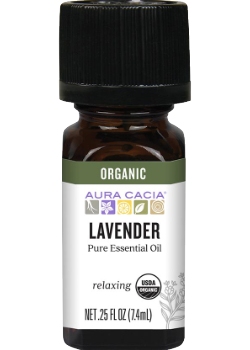
Organic Lavender Pure Essential Oil (Relaxing) - 7.4ml
$42.13
Aura Cacia Organic Lavender Pure Essential Oil (Relaxing) - 7.4ml is a dietary supplement in oil form, intended for adults as part of a daily wellness routine.
Relaxing Lavender Oil from Aura Cacia's can be used as an antiseptic to clean minor injuries and burns. It is also a pain reliever and can be applied topically to treat skin irritations. The most popular essential oil in the world, lavender (Lavandula angustifolia) oil is considered one of the safest oils to use for adults and children, and scientific studies over the years have verified its many benefits. Lavender Oil is great when used topically to help soothe skin or in a diffuser blend to elicit its calming effects. Lavender oils versatility makes it a great addition to any essential oil kit. [LIQUID]
Ingredients:
Organic Lavandula angustifolia (lavender) oil.
Important Information:
If pregnant, nursing, suffering from a medical condition, or taking medication, consult a health care practitioner before use. Dilute properly. Avoid eyes and mucous membranes. If irritation occurs, discontinue use. Not for internal use. Keep out of reach of children. Product is flammable.
Dosage
For aromatherapy use. For all other uses, carefully dilute with a carriers such as skin care oil, unscented liquid soap or lotion, or witch hazel extract. Follow the dilution guide on the bottle.
Essential Oils That Nurture Body, Mind & Spirit
Aura Cacia offers an extensive selection of high quality essential oils and aromatherapy products for all ages. They offer certified organic and fair trade products when they can. Otherwise, Aura Cacia uses their very own Well Earth ethical and sustainable sourcing program developed by Frontier Co-op. They have also established the Aura Cacia 1% Organic Fund in which they donate 1% of sales from organic products to organic farmers and their communities. Aura Cacia sources their ingredients directly so that personal relationships can be developed with farmers and so they can get the best sources available. Founded in 1982, you can trust the quality Aura Cacia offers in all your must have essential oils and aromatherapy goods.
Lavender essential oil is grown in many regions across the globe and is produced more than any other essential oil sold for
aromatherapy
purposes. Aura Cacia Organic Lavender Essential Oil is distilled from certified organic flowers in Bulgaria that have been picked at peak bloom.
Lavender is harvested annually near or just after the summer solstice. The flowers only bloom for about two weeks, so the harvesting and distillation is often done all day and night. Lavender is harvested with a combine and immediately taken to the distillation facility. The most popular essential oil in the world, lavender (Lavandula angustifolia) oil is considered one of the safest oils to use for adults and children, and scientific studies over the years have verified its many benefits.
LAVENDER ESSENTIAL OIL
Lavender is a beautiful, herbaceous plant with a royal history. Lavender adds colour to backyard landscaping and is widely known for its calming properties and alluring scent, making it the most popular essential oil. Lavender oil is great when used topically to help soothe skin or in a diffuser blend to elicit its calming effects. Lavender oils versatility makes it a great addition to any essential oil kit.
PLANT INFORMATION
Plant History
The colour purple is known for being a rich colour that exudes royalty, therefore it is no surprise that Lavender was a favourite among royal families. The Lavender plant has Egyptian and Mediterranean origins. Egyptian royals and high priests used Lavender all throughout life by adding it to their cosmetics, medicines and tombs. While lavender was used cosmetically and for it’s alluring aroma, it wasn’t until 77 AD when a Greek philosopher had the first record of Lavender being used for its healing qualities. At that time it was noted that when taken internally, Lavender helped with indigestion, headaches and sore throats, while externally, it helped clean wounds, alleviate burns or other skin irritations. As time passed, the Romans used Lavender in their washing to scent both their baths and clothes as well as for its healing and antiseptic properties. Roman soldiers took Lavender in their first aid kit when heading off to war to dress wounds. While Lavender originated in Egypt & the Mediterranean, the English played a large role in its history by cultivating some of the most fragrant Lavender in Europe and by bringing Lavender into mass markets. In the 17th century, an English herbalist deemed Lavender oil as a “cure-all” and during the plague of 1665, Lavender oil sale prices skyrocketed because it was believed to protect people from the infectious disease. During the Victorian era, Mitcham, a suburb of London, was the hub for Lavender oil production and during that time, England's Lavender products became well known world wide. Lavender production continued to grow and is being used today as a remedy for stress,
insomnia, tension and congested sinuses.
Botanical Information
Lavender is one of 47 species of flowering plants that are part of the mint family. It is a perennial shrub and its flowers are a favourite amongst bees. While purple or mauve-blue lavender flowers are most commonly known, this plant can also bloom white or pink flowers. There are 3 main types of Lavender used in
essential oils: Lavandula angustifolia, which is the main type that’s used in aromatherapy because of it’s potency and its sweeter scent. The second strain is Lavandin,which is a cross between Lavendula angustifolia and Lavandula latifolia, this strain offers more oil production and is used to give products a Lavender scent, like laundry detergents and perfumes, but isn’t as potent as the former, and therefore shouldn’t be used for therapeutic grade essential oils. Lastly, Spike lavender, which is more herbaceous and therapeutic,therefore it is used in medicinal settings with the guidance of a certified aromatherapist.
Growing Information
Lavender is a great addition to any garden as it doesn’t require a lot of maintenance. This plant can survive in a dry environment with a high ph soil. Lavender thrives best when watered occasionally, has adequate drainage and space and lots of sunlight. It is easy to maintain as it only needs to be pruned once or twice a year and once it’s established, it doesn’t need to be re-fertilized.
Parts Used
The flowers, buds and leaves of the lavender plant can be used for various purposes. Typically, the buds are dried and used to enhance culinary dishes, teas or in a healing compress. The fresh flowers are used for decoration or to garnish dishes and the dried flowers are popular in potpourris and perfumes. The flowers can also be dried or distilled for oil extraction. The leaves are great when dried to mix into spices, such as Herb de Provence and other various seasonings or to add to a compress to relieve headaches or muscle tension.
OIL INFORMATION
Extraction Method
Therapeutic essential oils are extracted either through steam distillation or cold expression. Lavender oil is extracted through straight steam distillation using a Still. The plant is hung inside an apparatus above boiling water. As the steam rises, it pulls the oil out of the plant. The steam then carries the oil along the tubing of the apparatus and into the condenser where the steam is then cooled. This causes it to re-liquify, forcing the essential oil to float on top of the water vapour, which is then siphoned off. The floral water is then used as a fragrant water in cosmetics and the oil is used for therapeutic purposes in aromatherapy.
Active Ingredients
The Lavender flower is the main source of Lavender oil extraction. The active ingredients found in Lavender are: 51% Linalool, and 35% Linalyl Acetate. Linalool is a terpene alcohol and it’s what gives Lavender it’s floral scent.
APPLICATIONS
Calming
Lavender is widely known to create a calm, stress free environment and is linked to anxiety support. Some ways you canincorporate Lavender essential oil in your routine to create a soothing, euphoric environment is to:
- Add 1-4 drops of lavender essential oil to a warm bath and mix in with water
- Add 10-12 drops of lavender essential oil to a diffuser
- Mix 1 drop of lavender essential oil with 1 drop carrier oil (grapeseed,
jojoba oil
) and rub on your temples, wrists or upper lip to inhale
- Put 1-2 drops on a handkerchief and inhale during meditation or slow breathing
- Carry a rollerball of lavender oil and inhale with slow breaths when feelings of stress or anxiety arrive
Deodorant
Lavender oil can make for a great natural deodorant because it’s anti-bacterial. Therefore, it can prevent the growth of bacteria, leaving fewer bacteria to mingle with sweat that causes unpleasant body odor. While a natural deodorant won’t stop you from sweating like commercial antiperspirants, they are safe to reapply as needed and by making your own, you can alter the proportions to your personal preference/needs.
Headache Relief
Lavender oil relieves stress and tension and can be a natural remedy for headache relief. In fact, Queen Elizabeth 1 used Lavender to treat her migraines. Below are some Queen approved ways you can try it out for yourself:
- Add 3-5 drops of lavender essential oil in 3 cups of boiling water, place face 14 inches from bowl, close eyes and slowly inhale the steam.
- Mix 2-3 drops of lavender oil into a cup of cold or warm water, depending on your preference, dip a facecloth in the water, wring it out and lie down, placing the wet cloth on the forehead or base of the neck.
- Add 1 drop of lavender oil per 1 drop of your favourite carrier oil (grape seed, jojoba) and apply it to your temples, hairline or the base of your neck.
Insomnia Aid
As previously mentioned, lavender oil can help induce feelings of calmness and can help promote deep, slow wave, sleep. The findings of an EEG scan in one study showed participants were in a more drowsy state after undergoing a lavender aromatherapy session. Ways to help
insomnia
with lavender oil is to:
- In a small spray bottle, add 1 ounce of
witch hazel, 10 drops of lavender essential oil and mix with 3 ounces of water. Just before bed, spray on your bed linens or pajamas for a restful nights sleep.
- Diffuse 10-12 drops of lavender oil 30 minutes before bed and let it run into the night
- Apply 2-3 drops of lavender oil per ounce of carrier oil and apply to the body, especially the feet
Carefully SelectedShips to the U.S.Wellness EssentialsTrusted Brands
Product Details
Lavender essential oil is grown in many regions across the globe and is produced more than any other essential oil sold for
aromatherapy
purposes. Aura Cacia Organic Lavender Essential Oil is distilled from certified organic flowers in Bulgaria that have been picked at peak bloom.
Lavender is harvested annually near or just after the summer solstice. The flowers only bloom for about two weeks, so the harvesting and distillation is often done all day and night. Lavender is harvested with a combine and immediately taken to the distillation facility. The most popular essential oil in the world, lavender (Lavandula angustifolia) oil is considered one of the safest oils to use for adults and children, and scientific studies over the years have verified its many benefits.
LAVENDER ESSENTIAL OIL
Lavender is a beautiful, herbaceous plant with a royal history. Lavender adds colour to backyard landscaping and is widely known for its calming properties and alluring scent, making it the most popular essential oil. Lavender oil is great when used topically to help soothe skin or in a diffuser blend to elicit its calming effects. Lavender oils versatility makes it a great addition to any essential oil kit.
PLANT INFORMATION
Plant History
The colour purple is known for being a rich colour that exudes royalty, therefore it is no surprise that Lavender was a favourite among royal families. The Lavender plant has Egyptian and Mediterranean origins. Egyptian royals and high priests used Lavender all throughout life by adding it to their cosmetics, medicines and tombs. While lavender was used cosmetically and for it’s alluring aroma, it wasn’t until 77 AD when a Greek philosopher had the first record of Lavender being used for its healing qualities. At that time it was noted that when taken internally, Lavender helped with indigestion, headaches and sore throats, while externally, it helped clean wounds, alleviate burns or other skin irritations. As time passed, the Romans used Lavender in their washing to scent both their baths and clothes as well as for its healing and antiseptic properties. Roman soldiers took Lavender in their first aid kit when heading off to war to dress wounds. While Lavender originated in Egypt & the Mediterranean, the English played a large role in its history by cultivating some of the most fragrant Lavender in Europe and by bringing Lavender into mass markets. In the 17th century, an English herbalist deemed Lavender oil as a “cure-all” and during the plague of 1665, Lavender oil sale prices skyrocketed because it was believed to protect people from the infectious disease. During the Victorian era, Mitcham, a suburb of London, was the hub for Lavender oil production and during that time, England's Lavender products became well known world wide. Lavender production continued to grow and is being used today as a remedy for stress,
insomnia, tension and congested sinuses.
Botanical Information
Lavender is one of 47 species of flowering plants that are part of the mint family. It is a perennial shrub and its flowers are a favourite amongst bees. While purple or mauve-blue lavender flowers are most commonly known, this plant can also bloom white or pink flowers. There are 3 main types of Lavender used in
essential oils: Lavandula angustifolia, which is the main type that’s used in aromatherapy because of it’s potency and its sweeter scent. The second strain is Lavandin,which is a cross between Lavendula angustifolia and Lavandula latifolia, this strain offers more oil production and is used to give products a Lavender scent, like laundry detergents and perfumes, but isn’t as potent as the former, and therefore shouldn’t be used for therapeutic grade essential oils. Lastly, Spike lavender, which is more herbaceous and therapeutic,therefore it is used in medicinal settings with the guidance of a certified aromatherapist.
Growing Information
Lavender is a great addition to any garden as it doesn’t require a lot of maintenance. This plant can survive in a dry environment with a high ph soil. Lavender thrives best when watered occasionally, has adequate drainage and space and lots of sunlight. It is easy to maintain as it only needs to be pruned once or twice a year and once it’s established, it doesn’t need to be re-fertilized.
Parts Used
The flowers, buds and leaves of the lavender plant can be used for various purposes. Typically, the buds are dried and used to enhance culinary dishes, teas or in a healing compress. The fresh flowers are used for decoration or to garnish dishes and the dried flowers are popular in potpourris and perfumes. The flowers can also be dried or distilled for oil extraction. The leaves are great when dried to mix into spices, such as Herb de Provence and other various seasonings or to add to a compress to relieve headaches or muscle tension.
OIL INFORMATION
Extraction Method
Therapeutic essential oils are extracted either through steam distillation or cold expression. Lavender oil is extracted through straight steam distillation using a Still. The plant is hung inside an apparatus above boiling water. As the steam rises, it pulls the oil out of the plant. The steam then carries the oil along the tubing of the apparatus and into the condenser where the steam is then cooled. This causes it to re-liquify, forcing the essential oil to float on top of the water vapour, which is then siphoned off. The floral water is then used as a fragrant water in cosmetics and the oil is used for therapeutic purposes in aromatherapy.
Active Ingredients
The Lavender flower is the main source of Lavender oil extraction. The active ingredients found in Lavender are: 51% Linalool, and 35% Linalyl Acetate. Linalool is a terpene alcohol and it’s what gives Lavender it’s floral scent.
APPLICATIONS
Calming
Lavender is widely known to create a calm, stress free environment and is linked to anxiety support. Some ways you canincorporate Lavender essential oil in your routine to create a soothing, euphoric environment is to:
- Add 1-4 drops of lavender essential oil to a warm bath and mix in with water
- Add 10-12 drops of lavender essential oil to a diffuser
- Mix 1 drop of lavender essential oil with 1 drop carrier oil (grapeseed,
jojoba oil
) and rub on your temples, wrists or upper lip to inhale
- Put 1-2 drops on a handkerchief and inhale during meditation or slow breathing
- Carry a rollerball of lavender oil and inhale with slow breaths when feelings of stress or anxiety arrive
Deodorant
Lavender oil can make for a great natural deodorant because it’s anti-bacterial. Therefore, it can prevent the growth of bacteria, leaving fewer bacteria to mingle with sweat that causes unpleasant body odor. While a natural deodorant won’t stop you from sweating like commercial antiperspirants, they are safe to reapply as needed and by making your own, you can alter the proportions to your personal preference/needs.
Headache Relief
Lavender oil relieves stress and tension and can be a natural remedy for headache relief. In fact, Queen Elizabeth 1 used Lavender to treat her migraines. Below are some Queen approved ways you can try it out for yourself:
- Add 3-5 drops of lavender essential oil in 3 cups of boiling water, place face 14 inches from bowl, close eyes and slowly inhale the steam.
- Mix 2-3 drops of lavender oil into a cup of cold or warm water, depending on your preference, dip a facecloth in the water, wring it out and lie down, placing the wet cloth on the forehead or base of the neck.
- Add 1 drop of lavender oil per 1 drop of your favourite carrier oil (grape seed, jojoba) and apply it to your temples, hairline or the base of your neck.
Insomnia Aid
As previously mentioned, lavender oil can help induce feelings of calmness and can help promote deep, slow wave, sleep. The findings of an EEG scan in one study showed participants were in a more drowsy state after undergoing a lavender aromatherapy session. Ways to help
insomnia
with lavender oil is to:
- In a small spray bottle, add 1 ounce of
witch hazel, 10 drops of lavender essential oil and mix with 3 ounces of water. Just before bed, spray on your bed linens or pajamas for a restful nights sleep.
- Diffuse 10-12 drops of lavender oil 30 minutes before bed and let it run into the night
- Apply 2-3 drops of lavender oil per ounce of carrier oil and apply to the body, especially the feet