Contains no added gluten, nuts, eggs, animal products, dairy products, fish or shell fish, soy, corn, wheat or yeast
Quantity
Couldn't load pickup availability
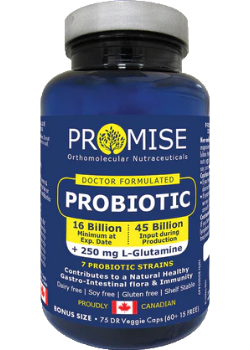
Probiotic 16 Billion (Shelf Stable) - 75 V-Caps
$49.49
Promise Probiotic 16 Billion (Shelf Stable) - 75 V-Caps is a dietary supplement in capsule form, intended for adults as part of a daily wellness routine.
Promise Probiotic is a perfectly-balanced probiotic you can trust. It contains varied probiotic strains to protect your health, boost your immune system, and treat your digestive problems all encased in a protective enteric capsule. During production Naka inputs 45 Billion CFU with 16 Billion CFU minimum at expiry date and a 250mg dose of L-Glutamine, Naka's Nutri Probiotic will help relieve any poor digestion symptoms- from bloating and nausea to Irritable Bowel Syndrome or Leaky Gut. Another great thing about Promise Probiotic is it is Shelf Stable. [VCAPS]
Each capsule contains:
Bifidobactericum Bifidum (Bb-02) 1.8 Billion CFU
Bifidobacterium Animalis (BI-04) 3.7 Billion CFU
Lactobacillus Acidophilus (La-14) 4.4 Billion CFU
Lactobacillus Casei (Lc-11) 1.2 Billion CFU
Lactobacillus Rhamosus (Lr-32) 2.2 Billion CFU
Lactobacillus Salivarius (Ls-33) 1.2 Billion CFU
Streptococcus Salivarius subsp. thermophilus (St-21) 1.5 Billion CFU
Non- Medical Ingredients:
L-Glutamine (250 mg), magnesium stearate (vegetable source), microcrystalline cellulose, hypromellose, gellan gum
Important Information:
Sealed for your protection. Keep out of the reach of children. Do not use if safety seal is broken or missing. For freshness store in a cool, dry place. Refrigeration will extend expiry date. Please see below for more information.
Dosage
Adults & Adolescents (12 years and older): Take 1 capsule once a day. Take at least 2-3 hours before or after antibiotics or antifungal.
Canadian Superior Quality Assurance
Promise Orthomolecular Nutraceuticals is a trusted Canadian leader in the manufacturing and distribution of premium herbal supplements for the health food market avaialble at Their success is driven by innovation, offering high-quality products in convenient liquid and easy-to-swallow capsules that support the wellness goals of consumers around the globe. With an unwavering commitment to quality, value, and exceptional customer service, Promise has earned a strong reputation as a reliable national brand within the natural health industry.
Cautions & Warnings:
If you have fever, vomiting, bloody diarrhoea or severe abdominal pain, consult a health care practitioner prior to use. If symptoms of digestive upset (e.g. diarrhoea) occur, worsen, or persist beyond 3 days, discontinue use and consult a health care practitioner. If you have an immune-compromised condition (e.g. AIDS, lymphoma, patients undergoing long-term corticosteroid treatment), do not use this product.
WHAT ARE PROBIOTICS?
Probiotics
are the beneficial microbial flora that we all need for optimal health. These "good" bacteria (and yeast) colonize our digestive and urinary tracts and the vagina in women where they grow and help to maintain the health of our mucous membranes. You can think of this in the same way as sowing your lawn with grass seed to create a thick, lush carpet of grass that can protect against the growth of weeds.
Probiotics
seed your body with beneficial bacteria to help protect against the growth of pathological ("bad") microbes like E. coli and
Candida. This helps no matter the location of the mucous membrane in the body: whether the vagina, bladder or GI tract. In the gut they also promote proper digestion and in some cases actually produce or functionally convert essential nutrients for our absorption and use. Many normal, bodily functions require healthy gut flora, and their effects range from healthy immune function to proper heart function and
skin health.
Lactibacillus
Probably the most commonly known probiotic available on the market, Lactobacillus has a number of health benefits. There are four major species of Lactobacillius that are commonly supplemented: acidophilus, rhamnosus, casei, and plantarum. Each has its own unique beneficial effects, although all share the common digestive, immune and anti-cell growth benefits provided by Lactobacilli in general.
Bifidobactera
This genus of bacteria is another group of lactic acid bacteria that also colonizes the gastrointestinal tract and the vagina. These are the species of bacteria that make up the vast majority of the digestive flora in infants, and some species may be the first beneficial microorganisms to be introduced to our guts through our mother's breast milk. In addition to the benefits common to most probiotics, certain strains of Bifidobacteria are particularly able to help reduce allergies and help to prevent and treat Irritable Bowel Sydrome and Irritable Bowel Disease. Some strains may also help to prevent and treat certain tumours.
Shelf Stability
Because they are living organisms, probiotics have a shorter shelf life than standard nutritional supplements. It is best to store them in fridge, especially if you aren't going to finish the bottle quickly. When exposed to cooler temperatures, microorganisms slow their metabolism, which brings them near to a point of stasis; This allows them to be stored for longer periods of time without a nutrient source. At room temperature, the organisms must be preserved in some other manner: either chemically in a protective coating (microencapsulation) or they must be stored in much larger concentrations and with a food source such as FOS and glucose so they can "eat" in order to survive.
Most high quality supplements intended for the fridge will remain shelf stable with their label count for up to two weeks at room temperature, but prolonged time exposed to elevated temperatures will eventually result in a die off of your chilled probiotic. Research is conflicted about how long probiotics degrade naturally at room temperature, which is likely the result of differences between strains and manufacturing methods. Some healthy gut flora supplements will degrade at less than 5% of the total active cell count under normal cupboard conditions over the span of about thirty days, which will allow them to last for several months without significant losses. Often these are the brands considered to be more shelf stable. Other supplements will lose their entire living microbial count within 2-3 weeks. In general, it is best to follow the instructions on the bottle for storage. Those that say "shelf-stable" are ones that have been properly preserved or have initial counts high enough to last until their expiry date with the counts stated on the label.
L-GLUTAMINE
The lining of your intestines is only one cell-layer thick. Overuse of antibiotics, NSAID pain relievers, synthetic hormones, and poor diet can deplete this vital lining, allowing undigested food particles, bacteria, and viruses to enter into your bloodstream. This encourages chronic inflammation and allergies as well as mental and behavioral disturbances. In addition to probiotics and
prebiotics, L-
Glutamine
is highly recommended. It is a free amino acid found within skeletal muscle and blood. L-Glutamine improves gut integrity and water absorption in the gut, thus hydrating the entire body.
Carefully SelectedShips to the U.S.Wellness EssentialsTrusted Brands
Product Details
Cautions & Warnings:
If you have fever, vomiting, bloody diarrhoea or severe abdominal pain, consult a health care practitioner prior to use. If symptoms of digestive upset (e.g. diarrhoea) occur, worsen, or persist beyond 3 days, discontinue use and consult a health care practitioner. If you have an immune-compromised condition (e.g. AIDS, lymphoma, patients undergoing long-term corticosteroid treatment), do not use this product.
WHAT ARE PROBIOTICS?
Probiotics
are the beneficial microbial flora that we all need for optimal health. These "good" bacteria (and yeast) colonize our digestive and urinary tracts and the vagina in women where they grow and help to maintain the health of our mucous membranes. You can think of this in the same way as sowing your lawn with grass seed to create a thick, lush carpet of grass that can protect against the growth of weeds.
Probiotics
seed your body with beneficial bacteria to help protect against the growth of pathological ("bad") microbes like E. coli and
Candida. This helps no matter the location of the mucous membrane in the body: whether the vagina, bladder or GI tract. In the gut they also promote proper digestion and in some cases actually produce or functionally convert essential nutrients for our absorption and use. Many normal, bodily functions require healthy gut flora, and their effects range from healthy immune function to proper heart function and
skin health.
Lactibacillus
Probably the most commonly known probiotic available on the market, Lactobacillus has a number of health benefits. There are four major species of Lactobacillius that are commonly supplemented: acidophilus, rhamnosus, casei, and plantarum. Each has its own unique beneficial effects, although all share the common digestive, immune and anti-cell growth benefits provided by Lactobacilli in general.
Bifidobactera
This genus of bacteria is another group of lactic acid bacteria that also colonizes the gastrointestinal tract and the vagina. These are the species of bacteria that make up the vast majority of the digestive flora in infants, and some species may be the first beneficial microorganisms to be introduced to our guts through our mother's breast milk. In addition to the benefits common to most probiotics, certain strains of Bifidobacteria are particularly able to help reduce allergies and help to prevent and treat Irritable Bowel Sydrome and Irritable Bowel Disease. Some strains may also help to prevent and treat certain tumours.
Shelf Stability
Because they are living organisms, probiotics have a shorter shelf life than standard nutritional supplements. It is best to store them in fridge, especially if you aren't going to finish the bottle quickly. When exposed to cooler temperatures, microorganisms slow their metabolism, which brings them near to a point of stasis; This allows them to be stored for longer periods of time without a nutrient source. At room temperature, the organisms must be preserved in some other manner: either chemically in a protective coating (microencapsulation) or they must be stored in much larger concentrations and with a food source such as FOS and glucose so they can "eat" in order to survive.
Most high quality supplements intended for the fridge will remain shelf stable with their label count for up to two weeks at room temperature, but prolonged time exposed to elevated temperatures will eventually result in a die off of your chilled probiotic. Research is conflicted about how long probiotics degrade naturally at room temperature, which is likely the result of differences between strains and manufacturing methods. Some healthy gut flora supplements will degrade at less than 5% of the total active cell count under normal cupboard conditions over the span of about thirty days, which will allow them to last for several months without significant losses. Often these are the brands considered to be more shelf stable. Other supplements will lose their entire living microbial count within 2-3 weeks. In general, it is best to follow the instructions on the bottle for storage. Those that say "shelf-stable" are ones that have been properly preserved or have initial counts high enough to last until their expiry date with the counts stated on the label.
L-GLUTAMINE
The lining of your intestines is only one cell-layer thick. Overuse of antibiotics, NSAID pain relievers, synthetic hormones, and poor diet can deplete this vital lining, allowing undigested food particles, bacteria, and viruses to enter into your bloodstream. This encourages chronic inflammation and allergies as well as mental and behavioral disturbances. In addition to probiotics and
prebiotics, L-
Glutamine
is highly recommended. It is a free amino acid found within skeletal muscle and blood. L-Glutamine improves gut integrity and water absorption in the gut, thus hydrating the entire body.
🌿
Daily Wellness
Easy to add to your everyday health routine.
✅
Carefully Selected
Chosen with quality and customer needs in mind.
💊
Simple to Use
Designed for convenient daily supplementation.
🚚
Ships to the U.S.
Fast, reliable shipping to U.S. customers.
Choosing a selection results in a full page refresh.