High in Vitamin E, Carotenes, Antioxidants, & EFA's
Great AntiAging Topical Moisturizer.
Used as a Carrier Oil
Great for those with sensitive skin
Cold Pressed
Organic
Quantity
Couldn't load pickup availability
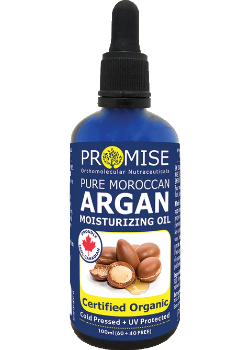
Pure Moroccan Argan Moisturizing Oil (Glass Bottle) - 100ml
$47.25
Naka Pure Moroccan Argan Moisturizing Oil (Glass Bottle) - 100ml is a dietary supplement in oil form, intended for adults as part of a daily wellness routine.
PURE, ORGANIC ARGAN OIL FROM PROMISE.Quickly absorbable, nourishing and lightweight, Pure, Organic ARGAN OIL from Promise is a staple for your natural beauty care regimen. Enjoy the benefits of argan oil as natural moisturizer for your skin and hair. Pure Argan is a great source of vitamin E (tocopherols) as well as other antioxidants, such as ferulic acid. This gives Argan Oil the ability to assist with preventing the visible signs of aging caused by free-radical damage. Also enjoy Argan Oil when diluting essential oils as a carrier oil. [LIQUID]
Ingredients:
[{"Pure certified Organic Moroccan Argan (Argania spinosa) oil.\t":"100%"}]
Important Information:
For aromatherapy use. For all other uses, carefully dilute with a carrier oil such as jojoba, grapeseed, olive or almond oil prior to use. Please consult an essential oil book or other professional reference source for suggested dilution ratios. Keep out of reach of pets and children
Dosage
For skin care, apply a few drops on cleansed skin, and gently massage. For hair core, apply a few drops on ends of hair while wet or dry. For nails care, massage a few drops into nails and cuticles. Can also be used as a carrier oil for your favorite essential oils. For aromatherapy use. Please consult an essential oil book or other professional reference source for suggested uses and dilution ratios.
Premium Quality & Canadian Made - 12 New Added
Founded in 1991, Naka’s success has been built upon introducing innovative supplements in liquid or easy-to-swallow capsule forms designed to meet the better health needs of consumers worldwide. Their most popular supplements include:
Naka Pro Collagen,
Naka Vital Greens,
Naka Magnesium Bisglycinate,
Naka Nutri Flex,
Naka Vital Greens
and Naka Probiotics.You can find Naka herbs and
buy Naka supplements
at
ARGAN OIL
Olive oil isn't the only cardioprotective kid on the block anymore...
What is it?
Argan oil is extracted from the kernels of the argan tree, which grows in the sandy semi-desert soil in Morocco. Traditionally, argan oil has been used as a dip for bread, as a dressing on couscous and salads, and it has also been used as a treatment for skin diseases. Argan oil contains high levels of
vitamin E
(tocopherols), carotenes,
antioxidants, and essential fatty acids.
Depending on the method of extraction, it may also be more resistant to oxidation than even olive oil (an oil renowned for its relative stability). In addition to its continuing popularity in skin creams, argan oil has recently been researched for its reduction in the risk factors of cardiovascular disease, digestion, and other health concerns.
Argan Oil in Cosmetics
Argan oil contains oleic acid, palmitic acid, and linoleic acid, all of which are beneficial for the skin. It is also a good source of
vitamin E
(tocopherols) as well as other antioxidants, such as ferulic acid. Because of this, argan oil has gained popularity in cosmetic uses to benefit dry skin and prevent the visible signs of aging caused by free-radical damage. Argan oil is not only beneficial for skin. It is also used in hair care products to promote healthy growth while leaving it looking and feeling silky smooth and getting rid of those pesky split ends. Interestingly, these results could likely also be achieved by ingestion instead of topical use, with the added benefit of cardioprotective effects.
How Does Aromatherapy Work?
There are two proposed mechanisms. The first follows the theory that the aroma of the oils have a direct influence on the brain. Through the olfactory system, our nose, the aromas travel to the limbic system of the brain.
The limbic system is involved in various functions in the body such as emotional responses, memory storage and hormone regulation. It also plays a role in sensory perception and motor function, as well as olfaction, the sense of smell.
Another theory is simply that, just as plants and herbs have medicinal properties, essential oils made from the same plants and herbs have pharmacological effects, as well. This theory relies on the ability of the scented oils to be absorbed through the skin and exert their medicinal effect on deeper bodily processes that way. These two mechanisms support the argument that the oils can be, but do not necessarily have to be applied on the skin to achieve their healing goals.
Versatile as a mode of treatment,
aromatherapy
offers improvement for mental and emotional issues such as anxiety, depression and
insomnia
while also treating symptoms like difficulty concentrating and muscle and joint pain. Acute conditions such as exhaustion, nausea and headaches can also be improved through the use of aromatherapy. Even chronic conditions like respiratory difficulties, stress and low libido can be treated. Aromatherapy has even been known to improve immune functioning.
Aromatherapy has many applications and is used to treat a variety of ailments with reported success. Unfortunately, there are limited scientific studies on the efficacy of aromatherapy due to the individualized nature of treatment.
Dilution
Because of their extremely concentrated state, it is important to dilute essential oils in other high quality carrier oils like olive, almond, grape seed, or sesame. Keeping in the spirit of oil not mixing with water, an essential oil can only be diluted by mixing it with another oil. When essential oils are used without being diluted, they can cause severe skin irritation, gastrointestinal upset and even liver damage in the long term. Certain essential oils are not for internal use, and can be toxic even in small amounts.
Essential Oils Can Be:
inhaled through steam inhalation, humidifiers, diffusers, and vaporizers
added to a carrier oil and applied to your skin directly or as a hot or cold compress
spritzed onto objects like pillows, bedding and furniture
added to infusers, potpourri and candles to enhance the odour of an indoor space
applied to skin as perfume
used as a gargle or mouth wash, added to toothpaste, soaps, cleaning solutions, lotions and creams, face and body spray
added to baths, hot tubs, Jacuzzis, hand and foot baths and saunas
Essential Oil Uses
Essential oils are aromatic compounds extracted from a number of different plants. They are also known as volatile oils because they evaporate so quickly, which is also how they create such a strong aroma in the air. Because of this ability to quickly create strong scents, these oils are often used in perfumes, cosmetics, soaps and other scented products.
How Are They Made?
Essential oils are extracted from the plant by steam distillation, cold pressing, or solvent extraction. Good quality products create a pure product that will evaporate cleanly if dripped on a piece of paper. Each type of extraction is used for different plant materials. Solvent extraction is used for substances like flowers that contain very little volatile oil, and those that can be damaged by the temperatures used in steam distillation. Solvents used are hexane or supercritical carbon dioxide. Because carbon dioxide evaporates quickly when the temperature is raised to normal, it is the preferred solvent extraction method to maintain purity. Solvent extraction performed at lower temperatures is preferred to maintain the integrity of the active compounds.
Medicinal Properties
The benefits of essential oils are as diverse as the oils themselves. Some are diluted and used as skin treatments for acne or rashes, while others are used for internal use to fight infection or even help to treat specific diseases. Often current research will focus on specific compounds found in essential oils, to determine which one is responsible for their medicinal benefits. More traditional herbalists believe that it is the synergy between all of the active constituents in the oil that provide the full benefit. In some cases, the benefits of essential oils can simply be attributed to the effect of their scent on the brain. To stimulate the limbic system in the brain, essential oils are often used for aromatherapy in combination with massage and other balancing techniques.
Carefully SelectedShips to the U.S.Wellness EssentialsTrusted Brands
Product Details
ARGAN OIL
Olive oil isn't the only cardioprotective kid on the block anymore...
What is it?
Argan oil is extracted from the kernels of the argan tree, which grows in the sandy semi-desert soil in Morocco. Traditionally, argan oil has been used as a dip for bread, as a dressing on couscous and salads, and it has also been used as a treatment for skin diseases. Argan oil contains high levels of
vitamin E
(tocopherols), carotenes,
antioxidants, and essential fatty acids.
Depending on the method of extraction, it may also be more resistant to oxidation than even olive oil (an oil renowned for its relative stability). In addition to its continuing popularity in skin creams, argan oil has recently been researched for its reduction in the risk factors of cardiovascular disease, digestion, and other health concerns.
Argan Oil in Cosmetics
Argan oil contains oleic acid, palmitic acid, and linoleic acid, all of which are beneficial for the skin. It is also a good source of
vitamin E
(tocopherols) as well as other antioxidants, such as ferulic acid. Because of this, argan oil has gained popularity in cosmetic uses to benefit dry skin and prevent the visible signs of aging caused by free-radical damage. Argan oil is not only beneficial for skin. It is also used in hair care products to promote healthy growth while leaving it looking and feeling silky smooth and getting rid of those pesky split ends. Interestingly, these results could likely also be achieved by ingestion instead of topical use, with the added benefit of cardioprotective effects.
How Does Aromatherapy Work?
There are two proposed mechanisms. The first follows the theory that the aroma of the oils have a direct influence on the brain. Through the olfactory system, our nose, the aromas travel to the limbic system of the brain.
The limbic system is involved in various functions in the body such as emotional responses, memory storage and hormone regulation. It also plays a role in sensory perception and motor function, as well as olfaction, the sense of smell.
Another theory is simply that, just as plants and herbs have medicinal properties, essential oils made from the same plants and herbs have pharmacological effects, as well. This theory relies on the ability of the scented oils to be absorbed through the skin and exert their medicinal effect on deeper bodily processes that way. These two mechanisms support the argument that the oils can be, but do not necessarily have to be applied on the skin to achieve their healing goals.
Versatile as a mode of treatment,
aromatherapy
offers improvement for mental and emotional issues such as anxiety, depression and
insomnia
while also treating symptoms like difficulty concentrating and muscle and joint pain. Acute conditions such as exhaustion, nausea and headaches can also be improved through the use of aromatherapy. Even chronic conditions like respiratory difficulties, stress and low libido can be treated. Aromatherapy has even been known to improve immune functioning.
Aromatherapy has many applications and is used to treat a variety of ailments with reported success. Unfortunately, there are limited scientific studies on the efficacy of aromatherapy due to the individualized nature of treatment.
Dilution
Because of their extremely concentrated state, it is important to dilute essential oils in other high quality carrier oils like olive, almond, grape seed, or sesame. Keeping in the spirit of oil not mixing with water, an essential oil can only be diluted by mixing it with another oil. When essential oils are used without being diluted, they can cause severe skin irritation, gastrointestinal upset and even liver damage in the long term. Certain essential oils are not for internal use, and can be toxic even in small amounts.
Essential Oils Can Be:
inhaled through steam inhalation, humidifiers, diffusers, and vaporizers
added to a carrier oil and applied to your skin directly or as a hot or cold compress
spritzed onto objects like pillows, bedding and furniture
added to infusers, potpourri and candles to enhance the odour of an indoor space
applied to skin as perfume
used as a gargle or mouth wash, added to toothpaste, soaps, cleaning solutions, lotions and creams, face and body spray
added to baths, hot tubs, Jacuzzis, hand and foot baths and saunas
Essential Oil Uses
Essential oils are aromatic compounds extracted from a number of different plants. They are also known as volatile oils because they evaporate so quickly, which is also how they create such a strong aroma in the air. Because of this ability to quickly create strong scents, these oils are often used in perfumes, cosmetics, soaps and other scented products.
How Are They Made?
Essential oils are extracted from the plant by steam distillation, cold pressing, or solvent extraction. Good quality products create a pure product that will evaporate cleanly if dripped on a piece of paper. Each type of extraction is used for different plant materials. Solvent extraction is used for substances like flowers that contain very little volatile oil, and those that can be damaged by the temperatures used in steam distillation. Solvents used are hexane or supercritical carbon dioxide. Because carbon dioxide evaporates quickly when the temperature is raised to normal, it is the preferred solvent extraction method to maintain purity. Solvent extraction performed at lower temperatures is preferred to maintain the integrity of the active compounds.
Medicinal Properties
The benefits of essential oils are as diverse as the oils themselves. Some are diluted and used as skin treatments for acne or rashes, while others are used for internal use to fight infection or even help to treat specific diseases. Often current research will focus on specific compounds found in essential oils, to determine which one is responsible for their medicinal benefits. More traditional herbalists believe that it is the synergy between all of the active constituents in the oil that provide the full benefit. In some cases, the benefits of essential oils can simply be attributed to the effect of their scent on the brain. To stimulate the limbic system in the brain, essential oils are often used for aromatherapy in combination with massage and other balancing techniques.
🌿
Daily Wellness
Easy to add to your everyday health routine.
✅
Carefully Selected
Chosen with quality and customer needs in mind.
💊
Simple to Use
Designed for convenient daily supplementation.
🚚
Ships to the U.S.
Fast, reliable shipping to U.S. customers.
Choosing a selection results in a full page refresh.