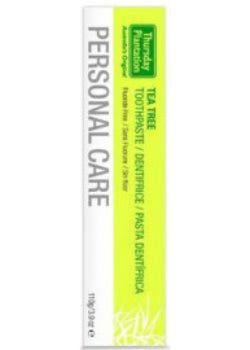
Thursday Plantation makes synthetic, paraben and sulphate free natural skin care products without the use of animal testing. Thursday Plantation believes in the power of Tea Tree oil and formulates top-selling products: Tea Tree Face Cream, Tea Tree and Witch Hazel Toner, Tea Tree Medicated Gel for Acne, plus many more. If you suffer from skin imperfections or clogged pores, Thursday Plantation’s got you covered.
Tea Tree Oil
It may not be the first thing you think of, but it's an essential addition to any first aid bag or suitcase. Tea tree oil is one of the strongest and most effective natural antiseptics; killing bacteria, viruses, and fungi upon contact.
Australian Aboriginals have been using Malaleuca alternifolia, aka Tea tree, for centuries. They used to brew the leaves and apply the pulp on a variety of ailments and to repel insects. When samples of Tea Tree were brought to England for study, its anti-fungal, antibacterial and anti-inflammatory effects were confirmed. It is now well-known and commonly used to treat acne, cuts, wounds, sore throat, ringworm, athlete's foot, vaginal infections,
hemorrhoids, insect bites and dandruff.
It is important to note that Tea Tree oil is toxic when ingested. It can cause vomiting,
diarrhea, severe rash, confusion and even coma. Be cautious or refrain from using Tea Tree topically on pets, as they may ingest the tea tree while grooming. A small number of patients also experience contact
dermatitis
when using Tea Tree oil topically. Using a diluted concentration may help to decrease the incidence of any skin reaction.
Tea Tree can be applied directly to an acne lesion, or directly to lesions of Athletes foot or Ringworm. Be aware some drying will occur. Add 2 or 3 drops to
shampoo
before washing hair for dandruff treatment. For athlete's foot bath, soak feet 3 times a day, for 15 minutes each in a small tub of water mixed with 20-25 drops of Tea Tree oil. For a vaginal douche to treat a yeast infection or vaginitis, mix 1 tsp for every 2 cups of water. Douche daily for 4-6 weeks. This same mixture can also be applied to and used to treat external hemorrhoids.
Dental Health
We often overlook the importance of taking care of our teeth and gums. The mouth is an important digestive organ. It begins the digestive process by secreting saliva and by physically breaking down food with chewing. Problems in the mouth can lead to malnutrition when foods are avoided due to pain or the inability to chew them correctly.
Periodontal disease is the inflammation of the gum (gingivitis) and support structure of the tooth. In mild cases, gums that bleed easily may be the only sign of a problem. In severe cases the gums are inflamed and receding and teeth loosen and become abscessed. Chronic bad breath is a sign of poor hygiene and often correlates with periodontal disease. Periodontal disease can be caused by poor hygiene, nutritional deficiencies, stress, toxin overload, medications and hormonal changes.
Tooth decay occurs when bacteria produce acid that erodes the teeth. It does not cause toothache or temperature sensitivity until the decay affects the nerve in the centre of the tooth. Besides bacterial presence, tooth decay will only occur if the enamel is vulnerable and sugars are available for the bacteria to feed on.
Periodontal disease and tooth decay can be prevented with the proper diet and hygiene. Proper dental hygiene includes regular tooth brushing and flossing. Make sure to use a soft bristled toothbrush to prevent damaging tooth enamel. Gargle with salt water to ease dental pain and purify the mouth. Topical
clove oil
is analgesic when used on the teeth and gums. Goldenseal, sage and
thyme
can be made into teas and used as an antibacterial mouthwash.
Stress can be a contributing factor to gingivitis and tooth decay. It decreases the immune system and may lead to increased bacteria in the mouth. We often eat poorly and crave sugar and junk foods during stressful times, which can also contribute to dental problems.
A diet high in raw fruits and vegetables provides a good source of vitamins, minerals and
antioxidants. Raw crunchy foods, like apples and carrots, clean the teeth as you chew. Unsweetened
cranberry
juice has been studied for its plaque fighting properties and may one day be added into toothpaste.
Avoid all refined sugars, sticky foods, smoking, carbonated beverages and chewable
vitamin C
tablets.
Fluoride has been added to drinking water and dental hygiene products. It is believed to strengthen the tooth enamel and increase resistance to decay. Many dentists recommend fluoride treatments for children. It is becoming a controversial practice because fluoride supplementation may cause poor bone quality and be a carcinogen. Consumers should think carefully about using these products.
The sugar
xylitol
has been studied for its antibacterial properties. Studies show that consuming this sugar changes the bacterial flora of the mouth. The bacteria produce less acid and therefore cause less tooth decay. In Finland, dental care for children is based on using xylitol. Xylitol can be purchased for use in baking or found in gums and mints. It is a natural sweetener and its only side effect is that it can cause diarrhea in a small number of individuals.
Carefully SelectedShips to the U.S.Wellness EssentialsTrusted Brands
Product Details
Tea Tree Oil
It may not be the first thing you think of, but it's an essential addition to any first aid bag or suitcase. Tea tree oil is one of the strongest and most effective natural antiseptics; killing bacteria, viruses, and fungi upon contact.
Australian Aboriginals have been using Malaleuca alternifolia, aka Tea tree, for centuries. They used to brew the leaves and apply the pulp on a variety of ailments and to repel insects. When samples of Tea Tree were brought to England for study, its anti-fungal, antibacterial and anti-inflammatory effects were confirmed. It is now well-known and commonly used to treat acne, cuts, wounds, sore throat, ringworm, athlete's foot, vaginal infections,
hemorrhoids, insect bites and dandruff.
It is important to note that Tea Tree oil is toxic when ingested. It can cause vomiting,
diarrhea, severe rash, confusion and even coma. Be cautious or refrain from using Tea Tree topically on pets, as they may ingest the tea tree while grooming. A small number of patients also experience contact
dermatitis
when using Tea Tree oil topically. Using a diluted concentration may help to decrease the incidence of any skin reaction.
Tea Tree can be applied directly to an acne lesion, or directly to lesions of Athletes foot or Ringworm. Be aware some drying will occur. Add 2 or 3 drops to
shampoo
before washing hair for dandruff treatment. For athlete's foot bath, soak feet 3 times a day, for 15 minutes each in a small tub of water mixed with 20-25 drops of Tea Tree oil. For a vaginal douche to treat a yeast infection or vaginitis, mix 1 tsp for every 2 cups of water. Douche daily for 4-6 weeks. This same mixture can also be applied to and used to treat external hemorrhoids.
Dental Health
We often overlook the importance of taking care of our teeth and gums. The mouth is an important digestive organ. It begins the digestive process by secreting saliva and by physically breaking down food with chewing. Problems in the mouth can lead to malnutrition when foods are avoided due to pain or the inability to chew them correctly.
Periodontal disease is the inflammation of the gum (gingivitis) and support structure of the tooth. In mild cases, gums that bleed easily may be the only sign of a problem. In severe cases the gums are inflamed and receding and teeth loosen and become abscessed. Chronic bad breath is a sign of poor hygiene and often correlates with periodontal disease. Periodontal disease can be caused by poor hygiene, nutritional deficiencies, stress, toxin overload, medications and hormonal changes.
Tooth decay occurs when bacteria produce acid that erodes the teeth. It does not cause toothache or temperature sensitivity until the decay affects the nerve in the centre of the tooth. Besides bacterial presence, tooth decay will only occur if the enamel is vulnerable and sugars are available for the bacteria to feed on.
Periodontal disease and tooth decay can be prevented with the proper diet and hygiene. Proper dental hygiene includes regular tooth brushing and flossing. Make sure to use a soft bristled toothbrush to prevent damaging tooth enamel. Gargle with salt water to ease dental pain and purify the mouth. Topical
clove oil
is analgesic when used on the teeth and gums. Goldenseal, sage and
thyme
can be made into teas and used as an antibacterial mouthwash.
Stress can be a contributing factor to gingivitis and tooth decay. It decreases the immune system and may lead to increased bacteria in the mouth. We often eat poorly and crave sugar and junk foods during stressful times, which can also contribute to dental problems.
A diet high in raw fruits and vegetables provides a good source of vitamins, minerals and
antioxidants. Raw crunchy foods, like apples and carrots, clean the teeth as you chew. Unsweetened
cranberry
juice has been studied for its plaque fighting properties and may one day be added into toothpaste.
Avoid all refined sugars, sticky foods, smoking, carbonated beverages and chewable
vitamin C
tablets.
Fluoride has been added to drinking water and dental hygiene products. It is believed to strengthen the tooth enamel and increase resistance to decay. Many dentists recommend fluoride treatments for children. It is becoming a controversial practice because fluoride supplementation may cause poor bone quality and be a carcinogen. Consumers should think carefully about using these products.
The sugar
xylitol
has been studied for its antibacterial properties. Studies show that consuming this sugar changes the bacterial flora of the mouth. The bacteria produce less acid and therefore cause less tooth decay. In Finland, dental care for children is based on using xylitol. Xylitol can be purchased for use in baking or found in gums and mints. It is a natural sweetener and its only side effect is that it can cause diarrhea in a small number of individuals.