Promotes a restful sleep
Helpful for sleeplessness due to stress, anxiety and overwork
No side effects or groggy morning after effects
Standardized to 0.8% valerenic acids
Easy to swallow capsule
Promotes a restful sleep
Helpful for sleeplessness due to stress, anxiety and overwork
No side effects or groggy morning after effects
Standardized to 0.8% valerenic acids
Easy to swallow capsule
Quantity
Couldn't load pickup availability
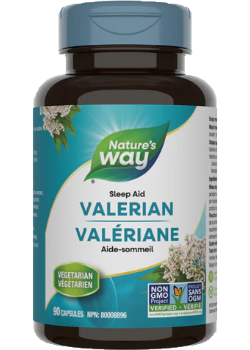
Valerian Standardized - 90 Caps
$20.91
Nature's Way Valerian Standardized - 90 Caps is a dietary supplement in capsule form, intended for adults as part of a daily wellness routine.
STANDARDIZED VALERIAN EXTRACT FROM NATURE'S WAY Traditionally used to help calm the nervous system and promote sleep, VALERIAN Root is perfect those who have difficulty falling and staying asleep. Nature's Way Valerian is standardized to.8% Valerenic acid and contains both extract and whole root. An ideal choice for those who experience difficulty sleeping due to stress, overwork or anxiety. [CAPSULE]
Each capsule contains:
Valerian root (Valeriana officinalis) 400mg
Valerian root extract (Valeriana officinalis) Standardized to 0.8% valerenic acids 110mg
Non-Medicinal Ingredients:
Hypromellose, silica, maltodextrin
Important Information:
Keep out of reach of children. Safety sealed with inner seal. Do not use if seal is broken or missing. Store at room temperature. Please see below for more information.
Dosage
Adults, take 2 capsules 1 time per day with water 60 minutes before bedtime. May be used up to 6 weeks.
Quality Herbals For Over 40 Years.
For over 40 years, Nature’s Way has built a reputation for quality and trust. Nature's Way is committed to using pure ingredients, backed by rigorous testing, which has earned them a reputation as one of Canada’s most trusted natural product brands. Shop Nature's Way Canada Fenugreek, Probiotics, Astragalus, Liquid Coconut Oil, Echinacea and other natural herbal remedies.
Cautions & Warnings:
Consult a health care practitioner if symptoms persist or worsen, or if sleeplessness persists continuously for more than 4 weeks (chronic
insomnia
). Avoid taking with alcohol or products that cause drowsiness. Some people may experience drowsiness. Exercise caution if operating heavy machinery, driving a motor vehicle or involved in activities requiring mental alertness. Do not take if you are pregnant or breastfeeding.
VALERIAN ROOT
Valerian has been used traditionally for many years as a sedative and alleviator of anxiety. It has many benefits over the use of pharmaceutical sedatives and sleep aids. Valerian does not alter the brain waves that occur as a part of normal sleep patterns. Therefore the sleep that you get after taking valerian is just as restful as normal sleep.
Additionally valerian does not give you a "
hangover
" the morning after you use it. Valerian's chemical components, the valepotriates, valerianic acids and pungent oils, relax the central nervous system by binding to the same receptors that are used by sedative medications. They also relax the gastrointestinal tract and skeletal muscles. Valerian can be used for
restless leg syndrome
and muscle spasms. It can also be used for stress and tension associated with
PMS.
INSOMNIA
Nothing replaces a good night's sleep. When you wake up after one, you feel refreshed, energized, motivated and happy. When you wake after tossing and turning for most of the night, you can feel the exact opposite. Unfortunately for a lot of people, they will often awake feeling as if they hadn't slept at all.
insomnia
or, habitual sleeplessness, affects approximately one in ten individuals and becomes more common as we age. It can involve the inability to fall asleep or the inability to stay asleep. Causes of insomnia are, use of stimulants like caffeine or antihistamine, evening eating, evening exercise, shift work, an uncomfortable sleep environment, a weak bladder, worry, grief or stress. Chronic insomnia is usually caused by a medical condition such as
hypoglycemia, hyperthyroidism, restless leg syndrome, arthritis, breathing disorders, indigestion or
sleep apnea. Half of all chronic insomniacs suffer from depression or another psychological disorder.
We need deep and sound sleep to allow both our bodies and our minds to recuperate from the challenges and (often) stress of our daily lives. When we don't get enough good quality sleep, it affects our body in many ways. Many bodily processes are regulated by sleep for example production of certain neurotransmitters and hormones. If the specific glands and cells do not receive the correct messages produced by sleeping, then the healthy amount of these important substances may not be produced. Depression may result in the case of neurotransmitter deficiency. Fatigue or anxiety may result in the case of insufficient adrenal or
thyroid hormones. Feeling tired frequently can reduce someone's enjoyment of life.
Many factors can affect whether or not you are able to get to sleep deeply and soundly on any given night.Stress can have a large impact on your ability to relax and subsequently get to sleep. Chronic neurotransmitter deficiencies can make it difficult to get to sleep no matter how hard you try. Nutritional deficiencies can make reduce your body's ability to produce these important brain hormones. Nutritional support for insomnia should include supplements to address each of these factors, including: stress reduction, optimizing neurotransmitter production, addressing potential
sleep disorders, and taking supplements to improve overall sleep quality.
Nutritional considerations for insomnia are as follows. Eat foods containing tryptophan at dinner and for a bedtime snack. They include warm milk, bananas, dates, figs, nut butter, tuna, turkey and yogurt. Tryptophan is converted into
serotonin, which induces sleep and prevents waking. Avoid taking stimulants, tobacco, alcohol, caffeine, heavy meals and cold medications in the evening. Try lettuce juice with lemon for a sleep inducing drink. It contains an opium-like substance and an anti-cramping agent.
Carefully SelectedShips to the U.S.Wellness EssentialsTrusted Brands
Product Details
Cautions & Warnings:
Consult a health care practitioner if symptoms persist or worsen, or if sleeplessness persists continuously for more than 4 weeks (chronic
insomnia
). Avoid taking with alcohol or products that cause drowsiness. Some people may experience drowsiness. Exercise caution if operating heavy machinery, driving a motor vehicle or involved in activities requiring mental alertness. Do not take if you are pregnant or breastfeeding.
VALERIAN ROOT
Valerian has been used traditionally for many years as a sedative and alleviator of anxiety. It has many benefits over the use of pharmaceutical sedatives and sleep aids. Valerian does not alter the brain waves that occur as a part of normal sleep patterns. Therefore the sleep that you get after taking valerian is just as restful as normal sleep.
Additionally valerian does not give you a "
hangover
" the morning after you use it. Valerian's chemical components, the valepotriates, valerianic acids and pungent oils, relax the central nervous system by binding to the same receptors that are used by sedative medications. They also relax the gastrointestinal tract and skeletal muscles. Valerian can be used for
restless leg syndrome
and muscle spasms. It can also be used for stress and tension associated with
PMS.
INSOMNIA
Nothing replaces a good night's sleep. When you wake up after one, you feel refreshed, energized, motivated and happy. When you wake after tossing and turning for most of the night, you can feel the exact opposite. Unfortunately for a lot of people, they will often awake feeling as if they hadn't slept at all.
insomnia
or, habitual sleeplessness, affects approximately one in ten individuals and becomes more common as we age. It can involve the inability to fall asleep or the inability to stay asleep. Causes of insomnia are, use of stimulants like caffeine or antihistamine, evening eating, evening exercise, shift work, an uncomfortable sleep environment, a weak bladder, worry, grief or stress. Chronic insomnia is usually caused by a medical condition such as
hypoglycemia, hyperthyroidism, restless leg syndrome, arthritis, breathing disorders, indigestion or
sleep apnea. Half of all chronic insomniacs suffer from depression or another psychological disorder.
We need deep and sound sleep to allow both our bodies and our minds to recuperate from the challenges and (often) stress of our daily lives. When we don't get enough good quality sleep, it affects our body in many ways. Many bodily processes are regulated by sleep for example production of certain neurotransmitters and hormones. If the specific glands and cells do not receive the correct messages produced by sleeping, then the healthy amount of these important substances may not be produced. Depression may result in the case of neurotransmitter deficiency. Fatigue or anxiety may result in the case of insufficient adrenal or
thyroid hormones. Feeling tired frequently can reduce someone's enjoyment of life.
Many factors can affect whether or not you are able to get to sleep deeply and soundly on any given night.Stress can have a large impact on your ability to relax and subsequently get to sleep. Chronic neurotransmitter deficiencies can make it difficult to get to sleep no matter how hard you try. Nutritional deficiencies can make reduce your body's ability to produce these important brain hormones. Nutritional support for insomnia should include supplements to address each of these factors, including: stress reduction, optimizing neurotransmitter production, addressing potential
sleep disorders, and taking supplements to improve overall sleep quality.
Nutritional considerations for insomnia are as follows. Eat foods containing tryptophan at dinner and for a bedtime snack. They include warm milk, bananas, dates, figs, nut butter, tuna, turkey and yogurt. Tryptophan is converted into
serotonin, which induces sleep and prevents waking. Avoid taking stimulants, tobacco, alcohol, caffeine, heavy meals and cold medications in the evening. Try lettuce juice with lemon for a sleep inducing drink. It contains an opium-like substance and an anti-cramping agent.