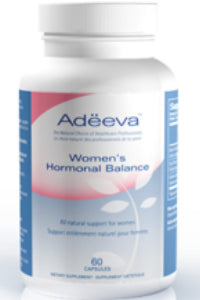
NATURE'S COMBINATION FOR WOMENWomen's Hormonal Balance Formula from Adeeva is an all-natural product containing three proven herbal agents that have been shown to support female hormonal health and help manage a variety of female conditions. With Black Cohosh to maintain normal vaginal secretions and to improve overall well being, Soy Isoflavones to reduce hot flashes, and Gamma- Oryzanol to calm menopausal symptoms, Women's Hormonal Balance Formula from Adeeva will have you feeling like yourself again in no time! [VCAPS]
Every 2 v-caps contain:
Black Cohosh Extract (2.5% triterpenes) 160 mg
Soy Extract (20% soy isoflavones) 250 mg
Gamma-oryzanol (ferulic acid) 300 mg
Non-Medicinal Ingredients:
Stearic Acid (vegetable source), ailicone dioxide, organic brownrice flour and hypromellose.
Important Information:
Please see full cautions and warnings listed below.
Dosage
Women (menopausal/post-menopausal) take 1 capsule in the morning and 1 capsule in the evening or as directed by your healthcare practitioner.
Adëeva Nutritionals, the makers of Canada’s best-selling women's hormone balancing supplement, Women's Hormonal Balance. Adëeva is a producer of high-quality natural formulations directed at slowing the biological processes of aging, combating degenerative diseases and providing adjunctive nutritional support. BUY Adeeva Nutritionals at and slow the signs of aging, naturally.
Cautions and Warnings:
Ensure you are up to date on mammograms and gynecological evaluations prior to use. Consult a healthcare practitioner if: symptoms worsen, you are taking blood thinners and/or hormone replacement therapy (HRT), including thyroid HRT, you have a history of hormonal or gynecological disease, including ovarian cell growths, endometriosis, and/or uterine fibroids, you have a liver disorder or develop liver-related symptoms (e.g. abdominal pain, jaundice, dark urine), consult a healthcare practitioner prior to use if you have estrogen receptor-positive tumors, consult a healthcare practitioner if symptoms persist or worsen. Consult a health care practitioner prior to use if you have a liver disorder or develop symptoms of liver trouble.
Do not use if you are pregnant or breastfeeding. Do not use if you are allergic to soy or any of its components. Do not use if you have or previously had breast tumors or if you have predisposition to breast tumors, as indicated by an abnormal mammogram and/or biopsy, or a family member with breast tumors.
Discontinue use and consult a healthcare practitioner if you experience breast pain, discomfort and/or tenderness, or if you experience a recurrence of menstruation and/or uterine spotting.
MENOPAUSE SUPPORT
HRT, Hot flashes,
insomnia, mood swings,& an increased risk of heart attack and stroke. Read on to discover how you can make a smooth transition...
Once treated by mainstream medicine as a disease, menopause is a normal transition in a woman's life from an age of fertility to one of wisdom. Like anything important in a woman's life, this transition can sometimes be a challenge. With the recent revelation that standard hormone replacement therapy for the relief of hot flashes caused a significant increase in the risk of abnormal cell growths, a course of action for support during this transition can be confusing.But there are effective and safe alternatives to HRT with drugs.
Clinically, menopause is complete when one year has passed since the cessation of menstruation. The perimenopausal period can last for several years. During this time women experience gradual cycle changes like more or less bleeding and variations in cycle length. Anemia can occur due to heavy menstrual bleeding. Another way to experience menopause is through the removal of the ovaries. Hormonal shifts during perimenopause or after ovary removal cause hot flashes, night sweats, vaginal dryness, low libido, urinary incontinence, dizziness, heart palpitations, headaches and mood swings. Factors that aggravate symptoms are poor diet, stress, alcohol, caffeine, tobacco and spices.
Around menopause hormone release occurs sporadically and produces symptoms such as hot flashes, night sweats, vaginal dryness, low libido, urinary incontinence, dizziness, heart palpitations, headaches, irregular cycles, irregular bleeding and mood swings. Estrogen receptors are located on non-reproductive cells too. Therefore, menopause affects the aging of a women's whole body. Skin cells need estrogen to stay smooth and moist. The thyroid gland uses estrogen to maintain body temperature. Proper bone formation requires estrogen. The arteries and heart require estrogen for maintaining their functioning.
Progesterone and testosterone levels also decline in menopause. Progesterone has a calming affect on the brain and nervous system and menopausal women may suffer with anxiety, depression or other emotional concerns. Testosterone regulates the libido and contributes to a decrease in sex drive often reported by menopausal women.
The typical perimenopausal symptoms are treated conventionally by synthetic hormone replacement of estrogen, progesterone and/or testosterone. It decreases perimenopausal symptoms and was also believed to protect against heart disease, and bone loss. Recently these benefits have been called into question. New research suggests that there may also be health risks associated with hormone replacement regardless of whether the source is synthetic or natural. Talk to a health professional about the benefits and drawbacks of hormone replacement.
The relief of these symptoms and natural support for the increased risk of other health concerns aggravated by menopause should include some or all of the following: balancing of hormones (sex hormones as well as adrenal and thyroid hormones), reducing symptoms like hot flashes and mood swings, supporting
bone health, and supporting heart health. Natural support of the menopausal woman involves supporting the whole body because at menopause women lose the protective effect of estrogen on the body. The skeletal and cardiovascular systems are especially susceptible to degeneration due to low estrogen levels.
HORMONES: A DELICATE BALANCE
Hormones are very powerful substances that regulate bodily functions and cause dramatic changes in our health. As estrogen levels decline and fluctuate during the perimenopausal and menopausal periods, the normal balance of this group of hormones is disrupted and typical menopausal symptoms result. Many herbs contain safe and naturally occurring estrogens and can be used as natural hormone replacement therapy without the side effects of conventional HRT. Some of these herbs include: Vitex, dong quai, black cohosh, damiana,
soy extracts,
licorice
and others. Use standardized extract versions of these plants as they are stronger than the raw versions and contain a consistent amount of active ingredient. Progesterone levels can also be optimized with the essential fat supplements
primrose oil
or borage oil. Both of these contain the essential fat GLA which your body needs to produce progesterone. Both of these work well combined with
vitamin E. An imbalance between estrogen and progesterone is largely the reason why women experience hot flashes and an increased risk of heart disease and osteoporosis.
Other hormones such as thyroid and adrenal gland hormones can also fluctuate during menopause & perimenopause, causing symptoms such as fatigue, anxiety, stress, and insomnia.
To prevent or reduce these symptoms, support your thyroid with
kelp
and the amino acid tyrosine;
iodine
from the kelp is needed to make the T3 and T4 hormones, as is tyrosine. Stress during this transition also means that the adrenal glands should be supported in addition to the thyroid. The adrenal glands manufacture hormones that help our bodies deal with stress effectively. When you are under long term stress, they can become exhausted and fatigue and a feeling of uncontrollable stress results.
Support your adrenal glands with vitamins C and B (in particular B5).
Also use a herbal
adrenal support
formula with some or all of the following herbs: licorice, Siberian
ginseng, ashwaghanda, and astragalus.
If you or your practitioner suspect estrogen dominance, follow the above recommendations for increasing progesterone production, in addition to taking supplements to balance excess levels of estrogens, especially estrogen analogs in the form of toxins from the environment. Use the supplements D-glucarate, I3C (indole 3- carbinol), and milk thistle to help your liver break down xeno-estrogens.
HOT FLASHES, INSOMNIA, ANXIETY
Reducing the symptoms of hot flashes, insomnia, depression and vaginal dryness will usually be relieved by most of the recommendations above for balancing hormones, but if you do not experience enough relief, then for insomnia consider: valerian, calcium
magnesium, or
melatonin. For depression and mood swings, St. John's wort is effective in relieving mild to moderate depression and anxiety. Vitamin E and aloe can be applied topically to help relieve vaginal dryness.
Carefully SelectedShips to the U.S.Wellness EssentialsTrusted Brands
Product Details
Cautions and Warnings:
Ensure you are up to date on mammograms and gynecological evaluations prior to use. Consult a healthcare practitioner if: symptoms worsen, you are taking blood thinners and/or hormone replacement therapy (HRT), including thyroid HRT, you have a history of hormonal or gynecological disease, including ovarian cell growths, endometriosis, and/or uterine fibroids, you have a liver disorder or develop liver-related symptoms (e.g. abdominal pain, jaundice, dark urine), consult a healthcare practitioner prior to use if you have estrogen receptor-positive tumors, consult a healthcare practitioner if symptoms persist or worsen. Consult a health care practitioner prior to use if you have a liver disorder or develop symptoms of liver trouble.
Do not use if you are pregnant or breastfeeding. Do not use if you are allergic to soy or any of its components. Do not use if you have or previously had breast tumors or if you have predisposition to breast tumors, as indicated by an abnormal mammogram and/or biopsy, or a family member with breast tumors.
Discontinue use and consult a healthcare practitioner if you experience breast pain, discomfort and/or tenderness, or if you experience a recurrence of menstruation and/or uterine spotting.
MENOPAUSE SUPPORT
HRT, Hot flashes,
insomnia, mood swings,& an increased risk of heart attack and stroke. Read on to discover how you can make a smooth transition...
Once treated by mainstream medicine as a disease, menopause is a normal transition in a woman's life from an age of fertility to one of wisdom. Like anything important in a woman's life, this transition can sometimes be a challenge. With the recent revelation that standard hormone replacement therapy for the relief of hot flashes caused a significant increase in the risk of abnormal cell growths, a course of action for support during this transition can be confusing.But there are effective and safe alternatives to HRT with drugs.
Clinically, menopause is complete when one year has passed since the cessation of menstruation. The perimenopausal period can last for several years. During this time women experience gradual cycle changes like more or less bleeding and variations in cycle length. Anemia can occur due to heavy menstrual bleeding. Another way to experience menopause is through the removal of the ovaries. Hormonal shifts during perimenopause or after ovary removal cause hot flashes, night sweats, vaginal dryness, low libido, urinary incontinence, dizziness, heart palpitations, headaches and mood swings. Factors that aggravate symptoms are poor diet, stress, alcohol, caffeine, tobacco and spices.
Around menopause hormone release occurs sporadically and produces symptoms such as hot flashes, night sweats, vaginal dryness, low libido, urinary incontinence, dizziness, heart palpitations, headaches, irregular cycles, irregular bleeding and mood swings. Estrogen receptors are located on non-reproductive cells too. Therefore, menopause affects the aging of a women's whole body. Skin cells need estrogen to stay smooth and moist. The thyroid gland uses estrogen to maintain body temperature. Proper bone formation requires estrogen. The arteries and heart require estrogen for maintaining their functioning.
Progesterone and testosterone levels also decline in menopause. Progesterone has a calming affect on the brain and nervous system and menopausal women may suffer with anxiety, depression or other emotional concerns. Testosterone regulates the libido and contributes to a decrease in sex drive often reported by menopausal women.
The typical perimenopausal symptoms are treated conventionally by synthetic hormone replacement of estrogen, progesterone and/or testosterone. It decreases perimenopausal symptoms and was also believed to protect against heart disease, and bone loss. Recently these benefits have been called into question. New research suggests that there may also be health risks associated with hormone replacement regardless of whether the source is synthetic or natural. Talk to a health professional about the benefits and drawbacks of hormone replacement.
The relief of these symptoms and natural support for the increased risk of other health concerns aggravated by menopause should include some or all of the following: balancing of hormones (sex hormones as well as adrenal and thyroid hormones), reducing symptoms like hot flashes and mood swings, supporting
bone health, and supporting heart health. Natural support of the menopausal woman involves supporting the whole body because at menopause women lose the protective effect of estrogen on the body. The skeletal and cardiovascular systems are especially susceptible to degeneration due to low estrogen levels.
HORMONES: A DELICATE BALANCE
Hormones are very powerful substances that regulate bodily functions and cause dramatic changes in our health. As estrogen levels decline and fluctuate during the perimenopausal and menopausal periods, the normal balance of this group of hormones is disrupted and typical menopausal symptoms result. Many herbs contain safe and naturally occurring estrogens and can be used as natural hormone replacement therapy without the side effects of conventional HRT. Some of these herbs include: Vitex, dong quai, black cohosh, damiana,
soy extracts,
licorice
and others. Use standardized extract versions of these plants as they are stronger than the raw versions and contain a consistent amount of active ingredient. Progesterone levels can also be optimized with the essential fat supplements
primrose oil
or borage oil. Both of these contain the essential fat GLA which your body needs to produce progesterone. Both of these work well combined with
vitamin E. An imbalance between estrogen and progesterone is largely the reason why women experience hot flashes and an increased risk of heart disease and osteoporosis.
Other hormones such as thyroid and adrenal gland hormones can also fluctuate during menopause & perimenopause, causing symptoms such as fatigue, anxiety, stress, and insomnia.
To prevent or reduce these symptoms, support your thyroid with
kelp
and the amino acid tyrosine;
iodine
from the kelp is needed to make the T3 and T4 hormones, as is tyrosine. Stress during this transition also means that the adrenal glands should be supported in addition to the thyroid. The adrenal glands manufacture hormones that help our bodies deal with stress effectively. When you are under long term stress, they can become exhausted and fatigue and a feeling of uncontrollable stress results.
Support your adrenal glands with vitamins C and B (in particular B5).
Also use a herbal
adrenal support
formula with some or all of the following herbs: licorice, Siberian
ginseng, ashwaghanda, and astragalus.
If you or your practitioner suspect estrogen dominance, follow the above recommendations for increasing progesterone production, in addition to taking supplements to balance excess levels of estrogens, especially estrogen analogs in the form of toxins from the environment. Use the supplements D-glucarate, I3C (indole 3- carbinol), and milk thistle to help your liver break down xeno-estrogens.
HOT FLASHES, INSOMNIA, ANXIETY
Reducing the symptoms of hot flashes, insomnia, depression and vaginal dryness will usually be relieved by most of the recommendations above for balancing hormones, but if you do not experience enough relief, then for insomnia consider: valerian, calcium
magnesium, or
melatonin. For depression and mood swings, St. John's wort is effective in relieving mild to moderate depression and anxiety. Vitamin E and aloe can be applied topically to help relieve vaginal dryness.
🌿
Daily Wellness
Easy to add to your everyday health routine.
✅
Carefully Selected
Chosen with quality and customer needs in mind.
💊
Simple to Use
Designed for convenient daily supplementation.
🚚
Ships to the U.S.
Fast, reliable shipping to U.S. customers.
Choosing a selection results in a full page refresh.